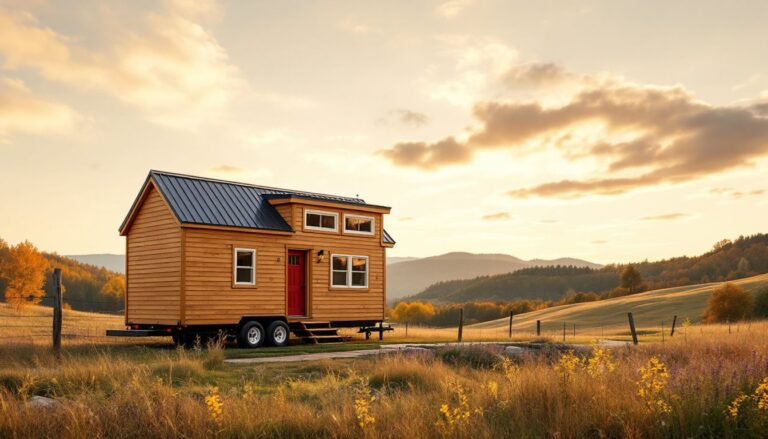
Austin’s housing market has long been a challenge for buyers seeking affordability without sacrificing quality of life. Enter tiny houses, compact, efficient, and increasingly popular among those who value freedom over square footage. Whether you’re downsizing from a traditional home, seeking a permanent residence, or looking for a rental property investment, Austin’s tiny house market offers options that blend minimalist design with Texas-friendly living. This guide walks through what’s available, where to find it, and what legal hoops you’ll need to jump through before signing on the dotted line.
Table of Contents
ToggleKey Takeaways
- Tiny houses for sale in Austin range from $30,000 for used models to $100,000+ for new prefab builds, offering affordable alternatives to traditional homes in a competitive market.
- Austin’s progressive zoning laws allow foundation tiny homes and ADUs in most single-family districts, though THOWs (tiny houses on wheels) are restricted to designated RV parks and communities.
- Tiny houses on wheels qualify for RV financing with higher interest rates and specialty insurance, while foundation models typically qualify for conventional mortgages and homeowners policies.
- Austin’s culture of sustainability, mild climate, growing tiny house communities, and access to solar installations make the city an ideal hub for compact, energy-efficient living.
- Buyers should hire qualified inspectors experienced in tiny construction, verify permits and building code compliance, and budget $5,000–$10,000 for potential repairs or upgrades on used homes.
- Plan for hidden costs including community fees ($400–$800 monthly), specialty insurance ($600–$1,200 annually), professional towing for out-of-state purchases, and thorough legal review of zoning restrictions.
Why Austin Is a Hotspot for Tiny House Living
Austin’s appeal for tiny house enthusiasts isn’t accidental. The city’s culture leans heavily toward innovation, sustainability, and independent living, all values that align with the tiny house movement. With median home prices consistently climbing above national averages, more buyers are exploring alternatives that don’t require a 30-year mortgage.
The climate plays a role too. Central Texas winters are mild enough that heating demands remain modest, and many tiny house models come equipped with ductless mini-split systems that handle both cooling and heating efficiently. Solar panel installations are common, especially given the state’s net metering policies and abundant sunshine.
Austin also boasts a growing network of tiny house communities and RV parks that welcome tiny homes on wheels (THOWs). These communities often include shared amenities like laundry facilities, dog parks, and communal gardens, making the transition to smaller living less isolating. Also, the city’s robust food truck culture and outdoor recreation options mean residents spend less time at home and more time engaging with the community, a lifestyle that pairs well with compact living spaces.
Finally, Austin’s relatively progressive zoning laws (more on this later) have opened doors for accessory dwelling units (ADUs) and backyard tiny homes, giving property owners flexibility to add rental income or housing for family members without major construction projects.
Types of Tiny Houses Available in Austin
Not all tiny houses are created equal, and Austin’s market reflects that diversity. Buyers will encounter everything from modern, minimalist builds with high-end finishes to rustic, DIY-friendly shells ready for customization.
Prefab models dominate the market. Manufacturers deliver these homes turnkey or near-turnkey, often featuring engineered framing, spray foam insulation, and Energy Star–rated appliances. Expect SIPs (structural insulated panels) in many newer builds, which offer superior thermal performance compared to traditional stick framing.
Custom builds are also available, typically through local builders who specialize in tiny construction. These projects allow buyers to specify everything from the trailer chassis size to interior finishes, but they come with longer lead times, often six to twelve months, and require more hands-on involvement during the design phase.
Some sellers offer tiny house conversions, repurposing shipping containers, vintage trailers, or even old school buses. These are often the most affordable entry point but may require additional work to meet local building codes or personal comfort standards.
Tiny Houses on Wheels vs. Foundation Models
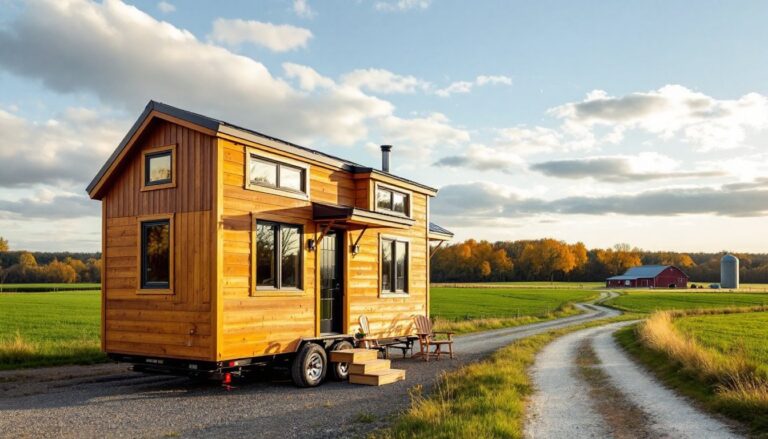
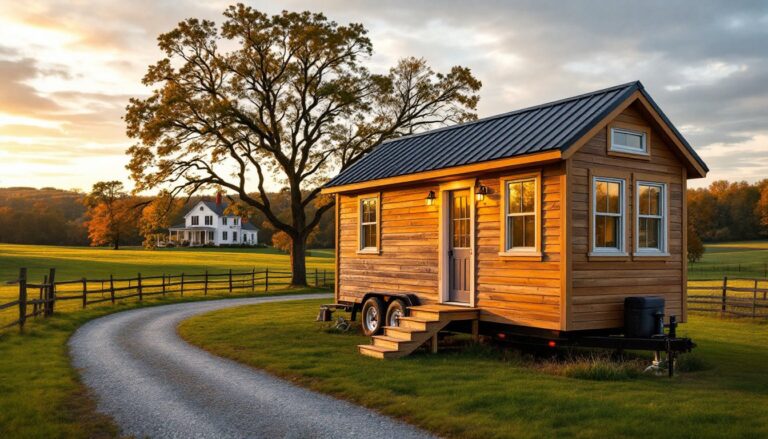
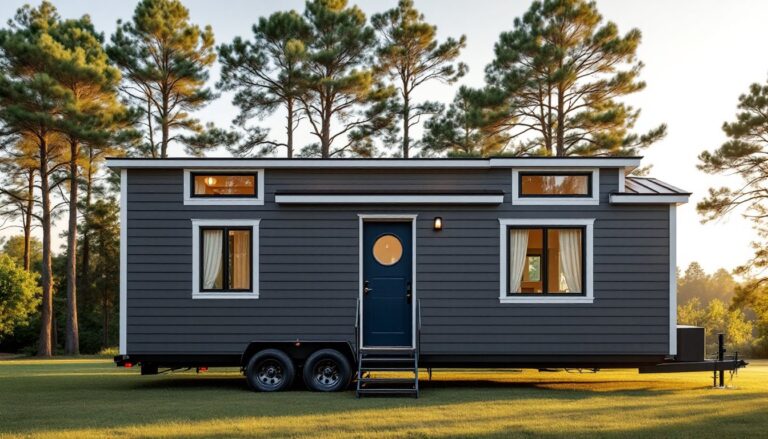
Tiny houses on wheels (THOWs) are built on trailer chassis and classified as RVs in most jurisdictions. They’re ideal for buyers who value mobility or plan to place the home in an RV park or tiny house community. Most THOWs range from 8.5 to 10 feet wide (road-legal without a special permit) and 20 to 30 feet long. They typically feature low-profile rooflines to stay under the 13.5-foot height limit for highway travel.
One advantage: THOWs often bypass traditional building permits since they’re regulated as vehicles. But, this also means they may not qualify for conventional mortgages, and financing typically comes through RV lenders with higher interest rates.
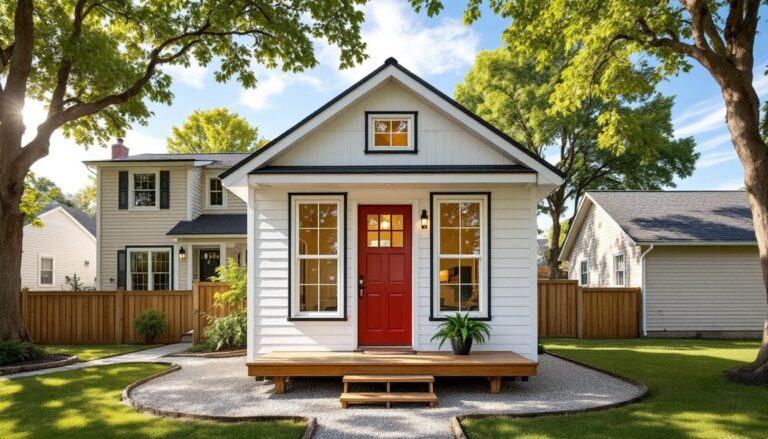
Foundation models sit on permanent slabs or pier-and-beam foundations. These are often classified as ADUs and must meet the International Residential Code (IRC) appendix for tiny houses (if applicable in your jurisdiction). They qualify for traditional home loans, may increase property value, and don’t face the same towing and highway restrictions as THOWs. But they require building permits, inspections, and compliance with local setback requirements.
Where to Find Tiny Houses for Sale in Austin
Austin’s tiny house market operates through a mix of traditional real estate channels and niche platforms tailored to small-space living.
Local builders and manufacturers are your first stop for new construction. Companies like Tiny Nest Homes and ATX Tiny Casas maintain model homes and offer both stock plans and custom builds. Visiting a showroom lets you assess build quality, test spatial layouts, and ask questions about warranty coverage and post-sale support.
Online marketplaces like Tiny House Listings, Tiny Home Builders, and even Facebook Marketplace feature used and new inventory. Filter by location, price, and whether the home is on wheels or a foundation. Be cautious with private sellers, always request detailed photos, a bill of sale for the trailer (if applicable), and proof of any permits or inspections completed during construction.
RV dealerships occasionally stock THOWs alongside traditional travel trailers. While their tiny house selection may be limited, they often provide financing options and trade-in programs. For those interested in contemporary design trends, sites like Dwell showcase inspiring small-space interiors that can guide your search.
Tiny house communities sometimes list available homes within their parks. Websites for communities like Austin Live
|
Work and Pecan Grove RV Park post openings when residents move out or upgrade. Buying within an existing community can simplify the approval process and give you immediate access to amenities.
Don’t overlook Craigslist and regional classifieds. Deals exist, but expect to do your assignments. Ask for the trailer’s VIN, verify the build year, and inspect for water damage, mold, and structural issues before committing.
What to Expect: Pricing and Features
Pricing for tiny houses in Austin varies widely based on size, finishes, and whether you’re buying new or used.
Entry-level used THOWs start around $30,000 to $50,000. These are often older builds (5+ years), may lack modern insulation or appliances, and could need cosmetic updates. Budget an additional $5,000 to $10,000 for repairs or upgrades if you’re handy.
New prefab models range from $60,000 to $100,000 for a fully finished THOW with standard features: laminate countertops, vinyl plank flooring, a composting toilet or traditional RV-style bathroom, a mini-split HVAC system, and basic kitchen appliances. Upgraded finishes, quartz counters, hardwood floors, stainless appliances, push prices toward the higher end.
Custom builds easily exceed $100,000, especially if you’re adding off-grid capabilities like solar arrays and rainwater collection systems. One advantage of new construction: builders often include a one-year warranty covering workmanship defects.
Foundation tiny homes typically cost more per square foot than THOWs due to site prep, permitting, and utility hookups. Expect to pay $150 to $250 per square foot for a contractor-built ADU, though DIY projects can cut costs significantly if you’re comfortable with framing, electrical, and plumbing work. For those considering alternative markets, exploring tiny homes for sale in Missouri reveals regional price differences.
Feature-wise, most Austin-area tiny houses include:
- Loft sleeping areas accessible by ladder or staircase (staircases add usable storage but consume more floor space)
- Galley-style kitchens with apartment-sized appliances or propane ranges
- Composting or incinerating toilets (common in off-grid builds) or traditional low-flow RV toilets
- On-demand water heaters (propane or electric)
- LED lighting and USB charging ports integrated into walls
- Spray foam or rigid foam insulation (R-values of 20+ in walls, 30+ in roofs)
Safety note: Always verify that electrical systems meet NEC (National Electrical Code) standards. Homes built by certified electricians should have breaker panels rated for the home’s load, GFCI outlets in wet areas, and properly grounded circuits.
Zoning and Legal Considerations in Austin
Austin’s zoning rules for tiny houses are more accommodating than many cities, but they’re far from a free-for-all. Understanding where and how you can legally place your tiny home is critical before you buy.
ADUs and foundation tiny homes are allowed in most single-family zoning districts, provided they meet the city’s ADU ordinance. Key requirements include:
- Maximum size of 1,100 square feet (though most tiny homes fall well below this)
- Minimum lot size typically 5,750 square feet (varies by zoning district)
- Setback requirements (usually 5 feet from rear and side property lines)
- Owner occupancy of either the primary residence or the ADU
- Connection to city water, sewer, and electrical systems
Building permits are mandatory. Expect plan reviews, foundation inspections, framing inspections, and a final occupancy inspection. Budget 8 to 12 weeks for the permitting process, longer if revisions are needed.
THOWs face stricter limitations. You cannot legally park a THOW in a residential driveway or backyard for permanent occupancy unless it’s within a designated RV park or tiny house community. Some neighborhoods have HOA restrictions that explicitly prohibit tiny homes, so review covenants before purchasing property.
If you’re planning to live off-grid, understand that greywater and blackwater disposal must comply with state health codes. Composting toilets are legal, but greywater systems (for sinks and showers) require permits if they exceed 400 gallons per day. Rainwater collection is legal and encouraged in Texas, but potable systems must meet Texas Commission on Environmental Quality (TCEQ) standards.
Some buyers establish tiny homes as temporary dwellings during primary home construction, which may allow a THOW on-site for up to 12 months with a permit. Check with the city’s Development Services Department for current rules.
Finally, insurance can be tricky. THOWs often require specialty RV insurance, which may not cover personal belongings or liability as comprehensively as homeowners insurance. Foundation tiny homes typically qualify for standard homeowners policies, but confirm coverage limits with your insurer.
Making the Move: Tips for Buying Your Tiny House
Purchasing a tiny house requires a different approach than buying a traditional home. Here’s how to avoid common pitfalls.
Inspect thoroughly. Hire a qualified home inspector with experience in tiny construction or RV systems. Look for water intrusion around windows, roof penetrations, and the trailer-to-floor connection. Check for level floors, many THOWs develop sags if improperly supported during transport. Test all appliances, verify that the HVAC system cycles correctly, and inspect the trailer’s axles, tires, and hitch.
Understand financing options. Traditional mortgages rarely apply to THOWs. RV loans (through credit unions or specialty lenders) offer terms of 10 to 15 years with interest rates 1 to 3 points higher than conventional mortgages. Personal loans are another option but come with even higher rates. Foundation tiny homes on owned land typically qualify for construction loans or standard mortgages. For those interested in energy independence, integrating solar panels for tiny houses can reduce long-term utility costs.
Plan for towing and transport. If you’re buying a THOW from out of state or across town, budget for professional towing. Tiny houses require heavy-duty trucks (typically 1-ton or larger) and experienced drivers familiar with wide or tall loads. DIY towing is possible but risky, most manufacturers void warranties if the home is damaged during owner-operated transport. For detailed guidance, review tiny house towing best practices.
Visit the community or lot before you commit. Spend a night in a rental tiny house if possible to gauge whether the lifestyle suits you. Walk the neighborhood, check cell reception, and assess proximity to grocery stores, medical facilities, and workplaces.
Read contracts carefully. New builds should include a detailed scope of work, payment schedule, and warranty terms. Used sales should provide a bill of sale, trailer title (if applicable), and any maintenance records. If buying within a tiny house community, review the lease agreement, monthly fees, and rules about pets, guests, and home modifications. Those exploring markets in other regions might compare options like tiny homes for sale in Pensacola to gauge value.
Budget for ongoing costs. Beyond the purchase price, plan for monthly expenses: community fees (typically $400 to $800 in Austin), utilities (if not included), insurance ($600 to $1,200 annually for a THOW), and maintenance. Foundation homes add property taxes.
Finally, don’t skip the PPE and tools if you’re planning post-purchase modifications. A basic toolkit, cordless drill, circular saw, level, tape measure, and safety glasses, handles most minor upgrades. For structural changes, hire a licensed contractor. Many tiny house owners find inspiration from resources like Apartment Therapy, which offers creative small-space solutions.