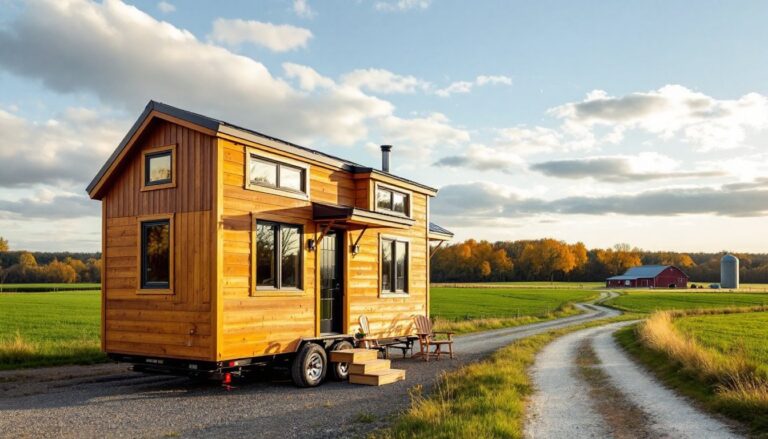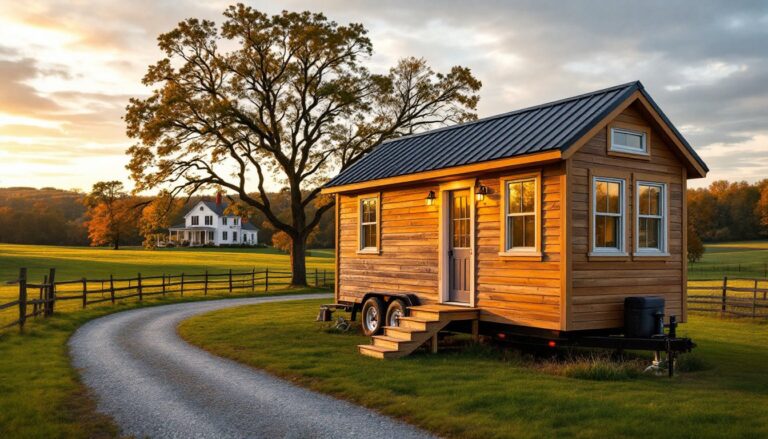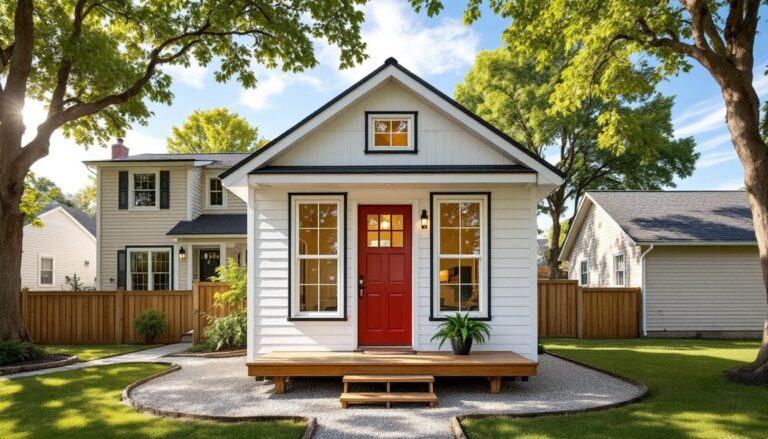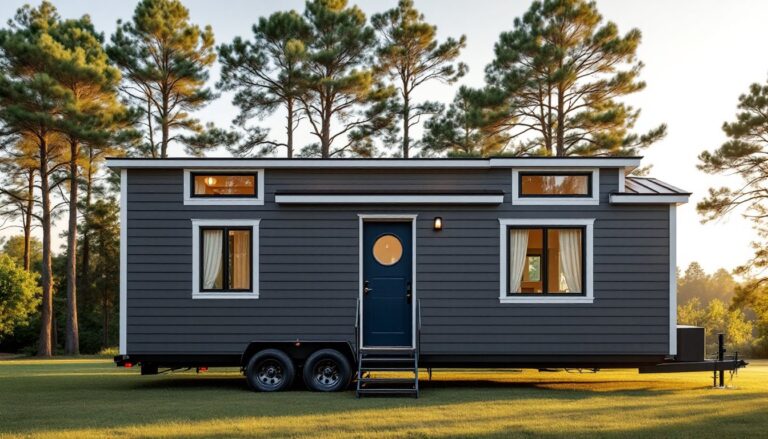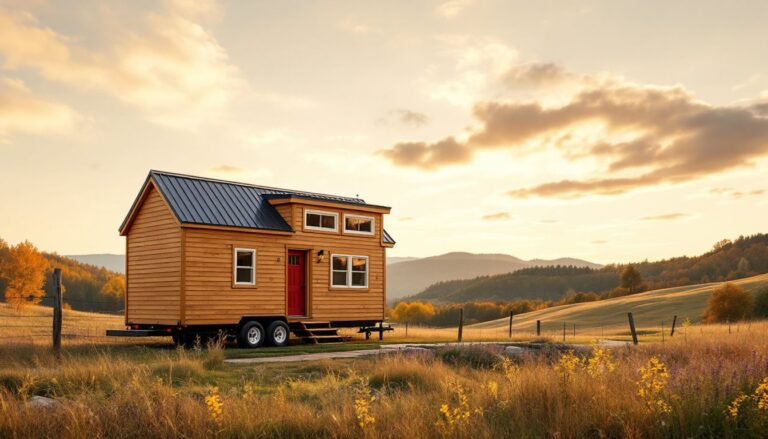
Arkansas is becoming a hotspot for tiny house buyers, and it’s not hard to see why. Between affordable land, minimal building restrictions in rural counties, and a lower cost of living than most of the country, the Natural State offers serious advantages for anyone looking to downsize. Whether you’re after a modern micro-dwelling on wheels, a park model on a foundation, or a custom-built cabin tucked into the Ozarks, the market has options. This guide covers where to find tiny houses for sale in Arkansas, what they cost, how local zoning plays out, and what you need to know about financing. No fluff, just the practical details that matter when you’re ready to buy.
Table of Contents
ToggleKey Takeaways
- Arkansas is a top destination for tiny houses for sale due to affordable rural land (under $3,000 per acre), flexible zoning in many counties, and a lower cost of living than most of the country.
- Tiny houses in Arkansas range from $40,000 for basic models on wheels to $120,000+ for high-end custom builds, with park models and foundation-built options offering middle-ground pricing between $50,000 and $150,000.
- Zoning laws for tiny houses vary by county and city—rural areas like Izard and Stone offer minimal restrictions, while cities such as Little Rock and Fayetteville enforce minimum square footage requirements that often disqualify tiny homes unless approved as ADUs.
- RV loans are the most practical financing option for certified tiny houses on wheels, offering terms up to 15 years at 6–9% APR, while foundation-built tiny homes can qualify for traditional mortgages with better long-term rates.
- Before purchasing land for a tiny house, verify county septic permits, electrical inspection requirements, and whether deed restrictions prohibit tiny houses, even if local zoning permits them.
- THOWs classified as RVs must carry RV insurance ($600–$1,200 annually), while foundation-built tiny homes qualify for cheaper standard homeowners insurance.
Why Arkansas Is a Top State for Tiny House Living
Arkansas ranks high for tiny house enthusiasts because of three big factors: land affordability, flexible zoning, and climate.
Rural land here runs cheaper than in most states. You can still find buildable parcels in counties like Newton, Searcy, and Marion for under $3,000 per acre, which makes outright land ownership realistic even on a modest budget. Compare that to states where land starts at $10,000+ per acre, and the math gets appealing fast.
Zoning is the second advantage. Many Arkansas counties, especially in the northern and western regions, don’t enforce strict minimum square footage requirements for dwellings. Some allow accessory dwelling units (ADUs) or classify tiny homes on foundations as recreational park models, which sidesteps residential building codes in certain jurisdictions. That said, this varies widely by county, so checking local ordinances before you buy land is non-negotiable.
Climate-wise, Arkansas sits in USDA hardiness zones 6b through 8a. Winters are mild compared to northern states, which means less demand on heating systems and lower utility costs. Summers get hot and humid, so proper ventilation, mini-split HVAC systems, and spray foam insulation are worth the investment. The state gets about 50 inches of rain annually, so roof pitch and moisture barriers matter, especially if you’re parking a tiny house on wheels (THOW) long-term.
Where to Find Tiny Houses for Sale in Arkansas
Online Marketplaces and Specialty Retailers
Most buyers start their search online, and for good reason. Tiny House Listings and Tiny House Marketplace aggregate listings from builders, private sellers, and dealers nationwide, including Arkansas-based inventory. You’ll find everything from DIY shells to turnkey homes.
Facebook Marketplace and Craigslist are worth checking too, especially for used models or local builders offloading spec homes. Search terms like “tiny house Arkansas,” “park model,” or “THOW” pull up a mix of options. Just vet sellers carefully, request photos of the trailer VIN, build materials, and any RVIA certification (Recreational Vehicle Industry Association) if it’s a THOW.
For new builds, national retailers like Tumbleweed Tiny House Company and Mustard Seed Tiny Homes ship to Arkansas. Delivery fees vary based on distance, but expect to add $3–$5 per mile from the build site. Some retailers also coordinate with Arkansas-based contractors for final hookups and site prep.
Local Builders and Custom Tiny Home Companies
New Frontier Tiny Homes in Eureka Springs is one of the state’s best-known custom builders. They specialize in steel-framed THOWs and can build to your specs or offer pre-designed models. Pricing starts around $65,000 for a basic 20-footer, but custom finishes (like reclaimed wood siding or luxury appliances) push that higher.
Tiny Idahomes, though based in Idaho, has a growing presence in Arkansas and works with buyers remotely. They’re known for off-grid packages that include solar arrays, composting toilets, and rainwater catchment systems, ideal if you’re planning to park on undeveloped land.
For something closer to a traditional build, look into Simblissity Tiny Homes in Lyons, Colorado. They’ve delivered multiple units to Arkansas buyers and offer park models that qualify for RV loans in some cases. These sit on a permanent chassis but feel more like a cabin than a camper.
If you’re handy and want to save money, buying a shell or DIY kit is an option. Builders like 84 Lumber sell tiny house kits with pre-cut framing and materials for under $20,000. You’ll need carpentry skills, time, and access to tools, but it’s doable for someone comfortable with framing and finish work. Just know that most lenders won’t finance a DIY build unless it’s on a permanent foundation and meets IRC (International Residential Code) standards.
Popular Tiny House Styles and Price Ranges in Arkansas
Tiny houses break down into a few main categories, each with different price points and use cases.
Tiny houses on wheels (THOWs) are the most common. These are built on a trailer chassis, usually a dual-axle gooseneck or bumper-pull, and range from 16 to 30 feet long. Prices start around $40,000 for a basic model with vinyl siding, laminate counters, and a loft bed. Mid-range builds ($60,000–$85,000) include better insulation, metal roofing, and real hardwood. High-end THOWs can hit $120,000+ if you go for custom cabinetry, tankless water heaters, and off-grid solar.
Designers at Apartment Therapy often feature THOWs for their clever use of vertical space and multifunctional furniture, think murphy beds, fold-down desks, and hidden storage under stairs.
Park models are a step up in size and permanence. These are 400 square feet max (per RVIA standards) and typically sit on a steel I-beam chassis. They’re built to ANSI 119.5 standards, which means they’re road-legal but meant for semi-permanent placement. Pricing runs $50,000–$90,000. Many buyers in Arkansas use park models as primary residences on rural lots or as ADUs on family property.
Foundation-built tiny homes (under 600 square feet) are less common but growing. These are stick-built on a concrete slab or pier-and-beam foundation and must meet full IRC building codes. Costs vary widely, $80 to $150 per square foot, depending on finishes and whether you DIY or hire a contractor. The upside: they’re easier to finance and insure, and they typically appreciate like traditional homes.
Prefab cabins and shed-to-home conversions are budget-friendly alternatives. Companies like Tuff Shed and Graceland Portable Buildings (based in Arkansas) sell 12×24-foot or 12×32-foot sheds starting around $8,000–$15,000. With electrical, plumbing, and insulation added, you’re still under $30,000 total. Just verify your county allows sheds as habitable structures, many don’t without a certificate of occupancy.
Arkansas Zoning Laws and Placement Considerations for Tiny Homes
Zoning is the biggest hurdle for tiny house buyers in Arkansas. There’s no statewide tiny house law, so rules are set at the county and city level.
Most cities (like Little Rock, Fayetteville, and Hot Springs) enforce minimum square footage requirements, often 600 to 1,000 square feet, which disqualifies most tiny homes unless they’re permitted as an ADU. Some municipalities have started creating tiny house villages or planned developments with modified codes, but these are rare.
Rural counties tend to be more lenient. Counties like Izard, Stone, and Cleburne have minimal building codes outside city limits. Some don’t require permits for structures under a certain square footage (often 200 square feet), though that’s technically for sheds, not dwellings. If you’re planning to live full-time in a tiny house, check whether the county requires a septic permit and electrical inspection, even if no building permit is needed.
For THOWs, classification matters. If your tiny house is on wheels and meets RVIA standards, it’s legally an RV. That means you can park it on RV-zoned land or in RV parks, but you generally can’t live in it full-time on residentially zoned property. Some buyers get around this by registering the THOW as an RV, then parking it on agricultural land under agricultural exemptions.
Septic and utilities are another consideration. If you’re connecting to municipal water and sewer, you’ll need permits and inspections. For off-grid setups, Arkansas allows composting toilets and greywater systems in many counties, but you’ll want written confirmation from the local health department. Solar power is unrestricted, and net metering is available through most utilities if you want to tie into the grid.
If you’re coming from a state with similarly relaxed rules, the tiny house market in Missouri offers comparable flexibility and land prices.
One more thing: HOAs and deed restrictions. Even if county zoning allows it, private covenants can prohibit tiny houses. Read the fine print before you buy land in a subdivision.
Financing Your Arkansas Tiny House Purchase
Traditional mortgages don’t work for most tiny houses. Lenders classify THOWs as personal property (like a car), not real estate, so you’ll need an alternative.
RV loans are the most common option for certified THOWs. Credit unions like LightStream and Consumers Credit Union offer RV loans with terms up to 15 years and rates around 6–9% APR (as of 2026). You’ll need decent credit (usually 650+) and a down payment of 10–20%. The tiny house must be RVIA-certified and titled as an RV.
Personal loans work for non-certified builds or DIY projects, but rates are higher (8–12% APR) and terms are shorter (usually 5–7 years). Monthly payments can get steep on a $60,000 loan, so run the numbers before you commit.
If your tiny house is on a permanent foundation and meets IRC codes, you can pursue a traditional mortgage or a construction loan. This is the best route for long-term affordability, 30-year terms and lower rates, but requires permits, inspections, and compliance with local building codes.
Cash purchases are common in the tiny house world. About 40% of buyers pay outright, either from savings or by selling a larger home. If you’re handy, buying land cash and DIYing a build keeps you debt-free.
Some Arkansas land sellers offer owner financing, which can be a good fit if your credit isn’t perfect. Terms vary, but typical deals involve 10–20% down and 5–10 year notes at 6–10% interest.
For buyers looking at smaller markets, tiny homes in Pensacola and Louisville show similar financing challenges and creative solutions.
Insurance is another piece. THOWs typically need RV insurance, which runs $600–$1,200 annually. Foundation-built tiny homes qualify for standard homeowners insurance, usually cheaper per square foot than RVs. Make sure your policy covers the replacement cost of custom finishes, many tiny houses have higher-than-average build quality per square foot.
One last note: if you’re financing, lenders often require proof of legal placement. That means showing that your land is zoned for your tiny house type and that you have permits (if required). Get your zoning ducks in a row before you apply for a loan.