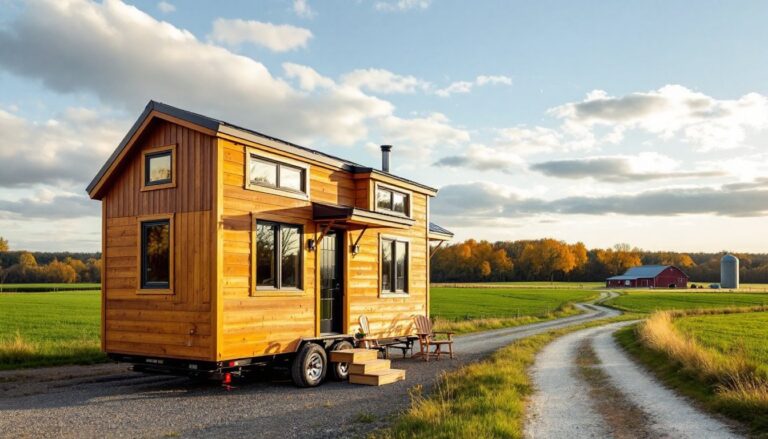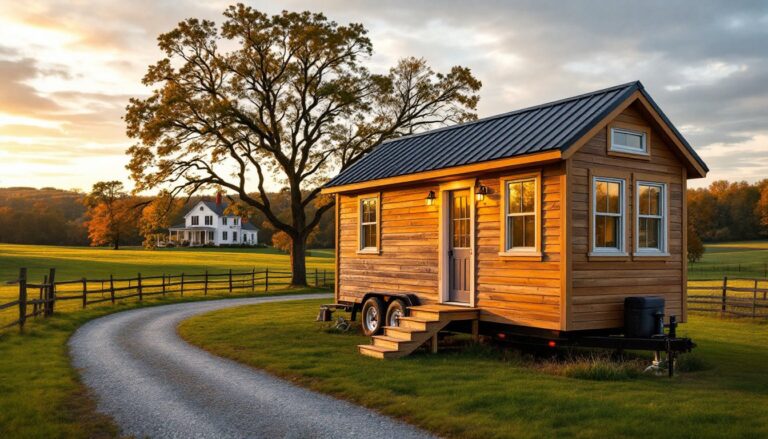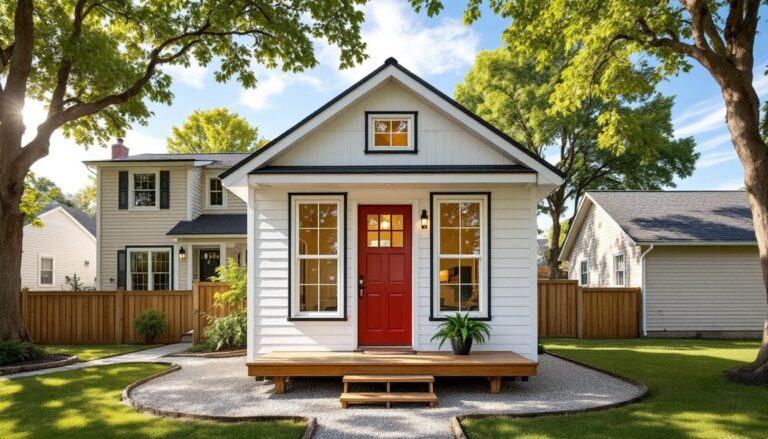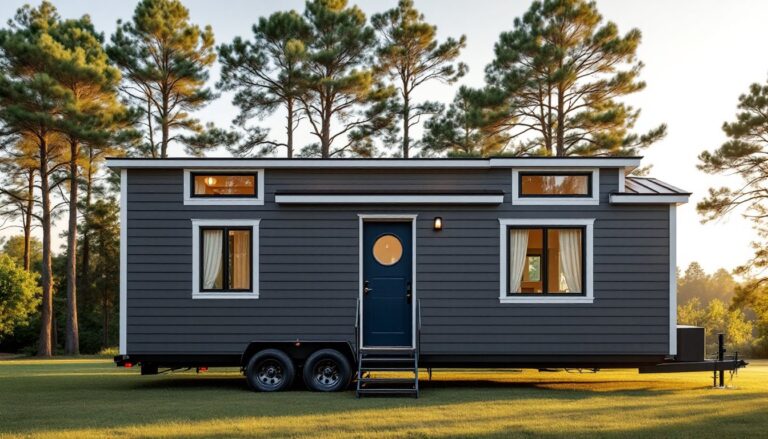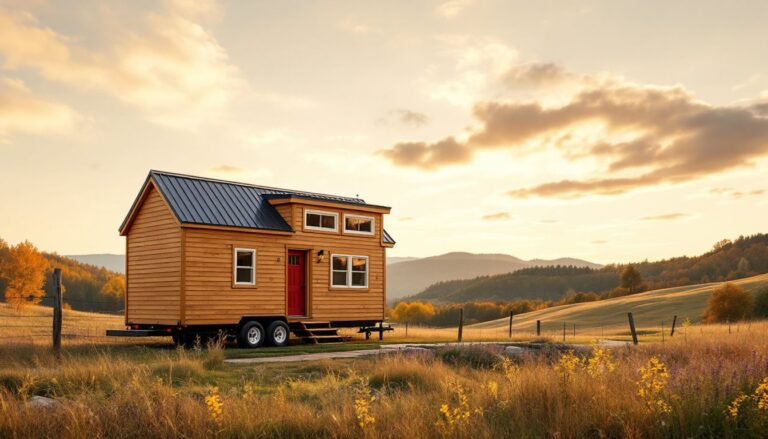
Tiny houses aren’t just trendy, they’re one of the smartest ways to own a home without drowning in debt. Whether you’re looking to downsize, reduce your environmental footprint, or break free from a mortgage, cheap tiny houses offer a legitimate path to homeownership that doesn’t require a six-figure loan. But “cheap” doesn’t mean flimsy or poorly built. With smart material choices, DIY labor, and realistic planning, it’s entirely possible to build or buy a tiny house for a fraction of what you’d pay for a traditional home.
Table of Contents
ToggleKey Takeaways
- Cheap tiny houses cost $10,000 to $50,000 compared to the average $400,000 traditional home, making homeownership accessible without massive debt.
- Material choices, DIY labor, and simple rectangular designs are the three main levers to keep cheap tiny house builds affordable and within budget.
- Pre-built tiny house kits range from $5,000 to $25,000 for the shell, with an additional $5,000 to $15,000 needed for finishes and utilities.
- Hidden costs like land ($200–$500/month to lease), permits ($500–$2,000), utilities hookup ($1,000–$5,000), and transportation can push a cheap tiny house budget 20–30% higher than anticipated.
- A DIY-built cheap tiny house with a simple gable roof, standard framing, and salvaged materials can be completed in 6 to 12 months working solo or in half that time with help.
- Proper permits and code compliance are essential for resale value and legal protection, even though they add upfront costs to your cheap tiny house project.
Why Cheap Tiny Houses Are Gaining Popularity
The tiny house movement has evolved from a fringe lifestyle to a practical housing solution. Rising home prices, soaring rent, and tighter lending standards have locked many Americans out of traditional homeownership. A tiny house, typically under 400 square feet, offers an escape hatch.
Affordability is the obvious draw. The average traditional home in the U.S. costs upward of $400,000, while a basic tiny house can be built or purchased for $10,000 to $50,000, depending on materials, labor, and finishes. That price difference eliminates or drastically reduces debt, freeing up income for other priorities.
Beyond cost, tiny houses appeal to those seeking simplicity. Less square footage means less to clean, maintain, and heat. Utility bills drop, especially when incorporating solar power solutions, and property taxes are negligible if the house sits on leased or family-owned land. For retirees, remote workers, and minimalists, the trade-off between space and financial freedom is an easy one to make.
What Makes a Tiny House Affordable?
Keeping costs low comes down to three levers: materials, labor, and design complexity. The more you can simplify and source strategically, the cheaper your build.
Materials account for the bulk of your budget. Choosing affordable framing lumber, like standard 2×4 studs for walls and 2×6 joists for the floor, keeps structural costs predictable. Salvaged materials, such as reclaimed siding, used windows, or secondhand fixtures, can cut costs by 30% or more. Sites like Ana White offer free plans for DIY furniture that fit tight budgets and small spaces.
Labor is the second big variable. Hiring a contractor to build a tiny house can easily double or triple your costs. Doing the work yourself, or enlisting friends and family, eliminates labor fees entirely. Even if you hire pros for electrical or plumbing (which may be required by code), handling framing, insulation, and finish work yourself saves thousands.
Design simplicity is the third factor. A rectangular floor plan with a gable roof is far cheaper than a complex build with dormers, lofts, skylights, and custom cabinetry. Stick to standard door and window sizes, avoid exotic finishes, and keep mechanicals straightforward. A tiny house doesn’t need to look like a magazine spread to be functional and comfortable.
Most Affordable Tiny House Options
If you’re serious about going tiny on a budget, you’ve got two main paths: buy a kit and assemble it yourself, or purchase a pre-built model.
DIY Tiny House Kits
Kits are a middle ground between scratch-building and buying turnkey. They typically include pre-cut framing lumber, wall panels, roofing materials, windows, and doors, everything you need for the shell. You supply the labor, insulation, electrical, plumbing, and interior finishes.
Kits range from $5,000 for a bare-bones shell to $25,000 for more complete packages. Brands like Tumbleweed and Jamaica Cottage Shop offer models on trailers or on-grade foundations. The upside: no need to draw plans, calculate loads, or figure out lumber cuts. The downside: you’re locked into their design, and any customization adds cost and complexity.
Expect to spend an additional $5,000 to $15,000 on finishes, appliances, and utilities, depending on how much you DIY. A basic composting toilet, propane range, and mini-split heat pump can keep systems affordable. Many builders find inspiration and hacks for maximizing small interiors on Apartment Therapy, which features clever storage and budget decor ideas.
Permit requirements vary. If your kit is on a trailer and classified as an RV, you may sidestep building permits, but zoning laws still apply. If it’s on a permanent foundation, expect to pull permits and meet local codes, including IRC (International Residential Code) minimums for egress, ceiling height, and structural loading.
Pre-Built Budget Models
Pre-built tiny houses are move-in ready, but they come at a premium. Budget models from manufacturers like Escape, NOMAD, and Titan Tiny Homes start around $40,000 and climb quickly with add-ons. For that price, you get a finished interior, working utilities, and often a trailer that’s road-ready for towing.
The advantage is speed and certainty, no construction learning curve, no permit headaches (if it’s on wheels), and no risk of cost overruns. The disadvantage is lack of customization and higher upfront cost. You’re also trusting the builder’s quality, so inspect thoroughly before accepting delivery. Check for proper flashing around windows, adequate insulation (at least R-13 in walls, R-30 in the roof), and code-compliant wiring.
Used tiny houses can be a steal. Check Tiny House Listings, Craigslist, and Facebook Marketplace. Prices for pre-owned models often drop to $20,000–$35,000, especially if the seller is relocating or upgrading.
How to Build a Cheap Tiny House Yourself
Building from scratch gives you maximum control and the lowest possible cost, if you’re willing to put in the sweat equity. Here’s the streamlined approach.
Step 1: Design and Planning
Start with a simple floor plan. Use free software like SketchUp or dedicated 3D planning tools to visualize your layout. Stick to a rectangular footprint, typically 8 feet wide by 16 to 24 feet long if building on a trailer, or up to 12×24 feet on a foundation. Plan for a sleeping loft to maximize floor space, but ensure minimum 3-foot ceiling height in the loft per code.
Step 2: Foundation or Trailer
Choose your base. A utility trailer with a GVWR (Gross Vehicle Weight Rating) of at least 10,000 pounds works for mobile builds. For stationary builds, a concrete slab, pier and beam, or skid foundation keeps costs low. Slab is the most affordable if you’re staying put.
Step 3: Framing
Use 2×4 studs on 16-inch centers for walls, and 2×6 or 2×8 rafters for the roof, depending on snow load. A simple gable roof is cheaper and easier to frame than a shed or gambrel. Sheathe with 7/16-inch OSB on walls and roof.
Step 4: Utilities Rough-In
Run electrical per NEC (National Electrical Code) standards, this may require a licensed electrician depending on your jurisdiction. Use 12-gauge Romex for 20-amp circuits (kitchen, bath) and 14-gauge for 15-amp lighting circuits. For plumbing, PEX tubing is easier for beginners than copper and far cheaper. If going off-grid, plan for a 12-volt DC system or small inverter setup.
Step 5: Insulation and Interior Finish
Insulate with fiberglass batts (cheapest), rigid foam, or spray foam (pricier but better R-value per inch). Drywall is affordable and fire-resistant: 1/4-inch plywood or tongue-and-groove pine gives a rustic look and doubles as structure. DIY furniture plans from IKEA Hackers can help you create built-ins that maximize every inch.
Step 6: Exterior and Roof
Side with affordable options like T1-11 siding, metal panels, or vinyl. Install a weather-resistant barrier first. Roof with asphalt shingles (cheapest) or metal roofing (longer-lasting, better for rainwater collection).
Safety Gear: Wear safety glasses, work gloves, and hearing protection when cutting or nailing. Use a dust mask during insulation install.
Timeline varies, but a solo builder working weekends can finish in 6 to 12 months. With help, cut that in half.
Hidden Costs to Watch Out For
Even budget builds come with surprise expenses. Here’s what trips up first-timers.
Land and Parking
You need somewhere to put your tiny house. Leasing a spot on private land runs $200 to $500/month in most areas. RV parks may allow tiny houses on wheels, but many have restrictions. Buying land adds thousands, or tens of thousands, depending on location. Zoning laws vary wildly: some areas welcome tiny houses, others ban them outright. Research local codes before you build. Tiny house-friendly zones are emerging in states like Missouri and other regions adopting progressive housing policies.
Utilities Hookup
Connecting to grid power, water, and sewer isn’t free. Expect $1,000 to $5,000 for utility hookups if infrastructure is nearby. Going off-grid (solar, composting toilet, rainwater) has upfront costs but eliminates monthly bills.
Insurance
Tiny houses on wheels are often insured as RVs, running $300 to $1,000/year. On a foundation, you’ll need homeowners insurance, which costs more but offers better coverage. Lenders rarely finance tiny houses, so you’ll likely pay cash or use a personal loan.
Permits and Inspections
If your jurisdiction requires permits, budget $500 to $2,000 for fees and inspections. Structural, electrical, and plumbing inspections are common. Skipping permits to save money can backfire, unpermitted work makes resale difficult and may violate local ordinances.
Tools
If you don’t own a circular saw, drill, level, square, and tape measure, budget $300 to $800 for basics. Renting a framing nailer or miter saw costs $40 to $80/day and speeds up work.
Transportation
Moving a tiny house on a trailer requires a 3/4-ton or 1-ton truck and experience towing heavy loads. Professional transport runs $1 to $5 per mile. Failing to account for towing logistics has stranded more than a few builders.
Adding a small porch or outdoor space is another common expense, budget $500 to $2,000 depending on materials. Don’t forget fire safety essentials like smoke detectors, fire extinguishers, and code-compliant egress windows, which add $200 to $500 but are non-negotiable.
Bottom line: a $15,000 build can easily become $25,000 once you factor in land, permits, utilities, and tools. Plan for 20–30% cost overrun and you won’t be caught off guard.