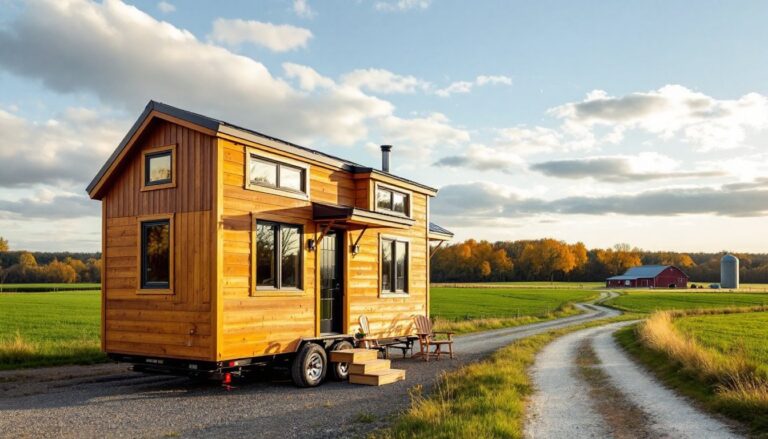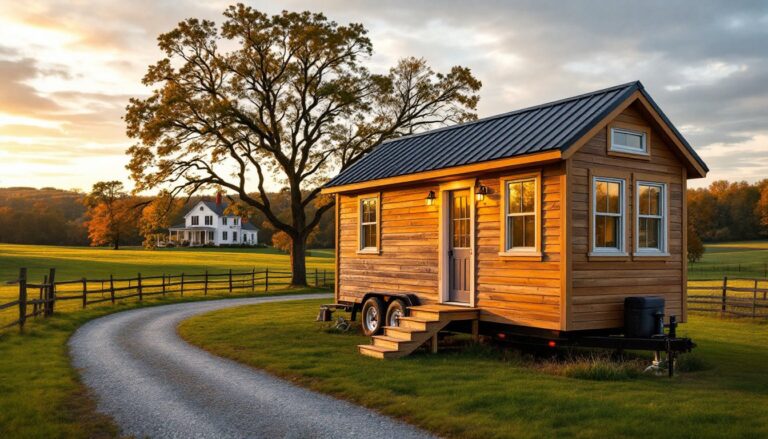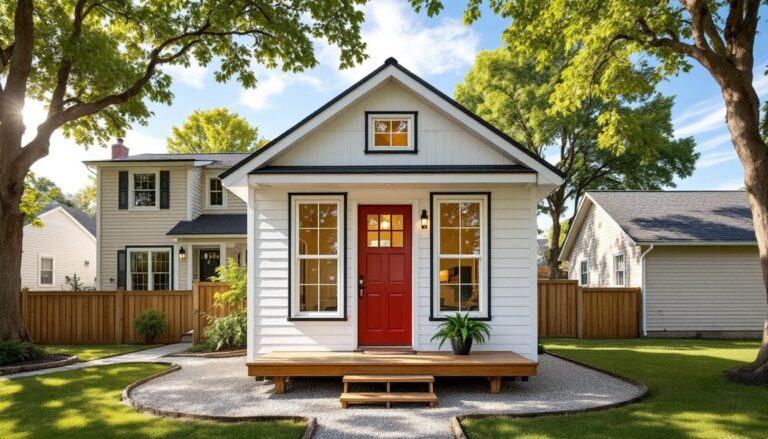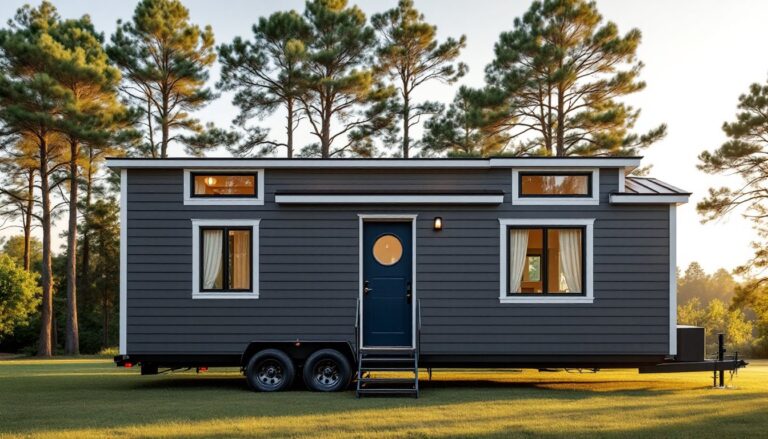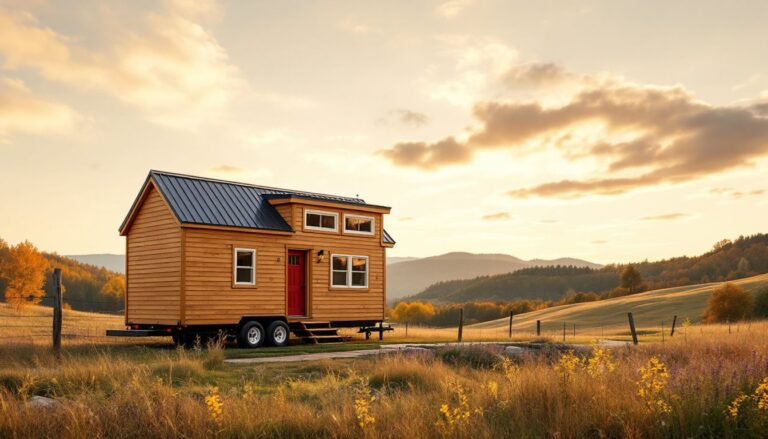
Maine’s rugged coastline, vast forests, and tight-knit communities make it an ideal setting for downsizing to a tiny house. Whether you’re drawn to the idea of minimalist living, lower utility bills, or the freedom to park your home on a wooded lot, the Pine Tree State offers plenty of options for prospective tiny house buyers. But finding the right property, and navigating Maine’s zoning laws, takes more than a quick online search. From wheeled models you can tow behind a truck to foundation-based builds designed for year-round living, the tiny house market in Maine is surprisingly diverse. This guide breaks down where to find listings, what types of homes are available, and the legal hoops you’ll need to clear before signing on the dotted line.
Table of Contents
ToggleKey Takeaways
- Tiny houses for sale in Maine benefit from affordable rural land, lenient zoning in unorganized townships, and a culture that supports self-sufficient living.
- Choose between tiny houses on wheels (THOWs) priced at $50,000–$100,000+ for portability, or foundation-based models at $80,000–$150,000 for permanent, mortgage-eligible homes.
- Maine’s harsh winters require serious insulation (R-30 walls, R-49 ceilings) and reliable heating systems like propane or wood stoves to prevent freeze damage.
- Zoning laws vary dramatically by town and unorganized territory—always verify regulations with local code enforcement before purchasing land or a tiny house property.
- Foundation-based tiny homes appreciate better than THOWs, qualify for traditional mortgages, and receive standard homeowners insurance, making them the stronger long-term investment.
- Search for tiny houses for sale in Maine through specialized marketplaces like Tiny House Listings, local Facebook groups, Maine-based builders, and real estate agents listing properties under 1,000 square feet.
Why Maine Is the Perfect Place for Tiny House Living
Maine’s mix of affordable land, relatively lenient rural zoning, and a culture that values self-sufficiency makes it one of the friendlier states for tiny house owners. Unlike dense suburban markets where every square foot is regulated, many of Maine’s unorganized townships have minimal building restrictions. That means fewer hoops to jump through if you’re planning to place a tiny house on wheels (THOW) on private land.
The state’s natural beauty is another major draw. Imagine waking up to pine-scented mornings, with access to hiking trails, lakes, and coastal views, all without the mortgage of a conventional home. Maine’s lower population density also translates to cheaper land prices compared to neighboring New England states. Rural lots in counties like Aroostook or Washington can be found for under $30,000, though prices climb near the coast or popular tourist towns like Bar Harbor.
Climate is a real consideration, though. Winters are long and cold, with some areas seeing 100+ inches of snow annually. That means any tiny house in Maine needs serious insulation, think spray foam or closed-cell insulation with an R-value of at least R-30 in walls and R-49 in the ceiling. You’ll also want a reliable heating source: a propane or wood stove rated for small spaces is common, and many builders include on-demand water heaters to prevent freezing pipes.
Mainers also tend to be pragmatic and DIY-oriented, which means you’ll find a supportive community of tiny house enthusiasts, salvage yards for reclaimed materials, and local builders who understand the unique challenges of compact construction.
Types of Tiny Houses Available in Maine
Tiny Houses on Wheels
THOWs are the most common type you’ll see listed in Maine. These are built on steel trailer frames (usually dual-axle or triple-axle models rated for 10,000–14,000 lbs GVWR) and are technically classified as RVs in most jurisdictions. That classification can work in your favor: many Maine towns allow RVs on private property for temporary or seasonal use, though year-round occupancy is trickier.
Most THOWs range from 16 to 28 feet in length and 8.5 feet wide (the max for towing without a special permit). Loft-style layouts are popular to maximize interior space, with sleeping areas above the main living zone. Expect ceiling heights around 13.5 feet total to stay within DOT height limits for highway travel.
One key advantage: if zoning becomes an issue or you want to relocate, you can hitch up and move. Builders like Tumbleweed, Tiny Heirloom, and smaller Maine-based outfits offer ready-to-move models, or you can buy a used THOW and customize it yourself. Prices typically start around $50,000 for a basic shell and climb to $100,000+ for turnkey builds with high-end finishes. Those interested in the mechanics of moving these structures should understand tiny house towing requirements before purchasing.
Foundation-Based Tiny Homes
If you want a permanent setup and plan to stay put, a foundation-based tiny home is the way to go. These are built on traditional concrete slab, crawlspace, or pier foundations and must meet the same building codes as any other residential structure, meaning they need to comply with the International Residential Code (IRC) and Maine’s state amendments.
Foundation models typically range from 400 to 800 square feet, which keeps them in “tiny” territory while offering more headroom and layout flexibility than a THOW. You can include full-height ceilings, larger windows, and standard appliances without worrying about road weight limits. Many buyers opt for modular or prefab designs that are built off-site and craned onto the foundation, cutting construction time significantly.
Because these homes are permanent, you’ll need a building permit, a septic system (or connection to municipal sewer), and an electrical hookup that meets National Electrical Code (NEC) standards. Expect to budget $80,000–$150,000 depending on finishes, site prep, and whether you’re doing any of the work yourself. Foundation-based tiny homes also tend to appreciate in value and can qualify for traditional mortgages, unlike THOWs.
Where to Find Tiny Houses for Sale in Maine
The tiny house market in Maine is scattered across online marketplaces, local builders, and word-of-mouth networks. Here’s where to start your search:
Specialized Tiny House Marketplaces
Sites like Tiny House Listings, Tiny House Marketplace, and Tiny Home Builders aggregate listings from across the country, including Maine. You’ll find both new builds and resales, often with detailed specs, interior photos, and contact info for the seller or builder. Filtering by location and price range helps narrow the field quickly.
Facebook Groups and Craigslist
Local groups like “Maine Tiny House Enthusiasts” or “Tiny Houses New England” often have members selling their own builds or passing along leads. Craigslist can be hit-or-miss, but you’ll occasionally find deals on older THOWs or shells in need of finish work. Always arrange an in-person inspection, photos hide a lot.
Maine-Based Builders
Several small-scale builders operate in Maine and surrounding states, offering custom or semi-custom designs. Companies like Liberation Tiny Homes (based in Massachusetts but serving New England) and local craftsmen advertising on Instagram or at home shows are worth contacting. Custom builds let you spec insulation, off-grid systems, and materials suited to Maine’s climate.
Real Estate Agents and MLS Listings
Some foundation-based tiny homes are listed on the traditional Multiple Listing Service (MLS) through real estate agents. Search for properties under 1,000 square feet in rural areas, sometimes sellers don’t even label them as “tiny houses” but they fit the bill. Platforms like Curbed occasionally feature tiny home real estate trends and listings worth checking.
Tiny House Festivals and Expos
Maine and nearby states host tiny house events where builders showcase models, offer tours, and discuss financing or zoning. These are great for comparing builds in person and networking with other buyers. The annual New England Tiny House Festival is a solid bet if you’re serious about purchasing.
What to Consider Before Buying a Tiny House in Maine
Zoning Laws and Regulations
Zoning is the single biggest hurdle for tiny house buyers in Maine. The rules vary wildly depending on whether you’re in an organized town, a plantation, or an unorganized territory. In organized towns, zoning ordinances often set minimum square footage requirements, sometimes as high as 750 square feet for a primary dwelling. That can disqualify most tiny houses unless you’re willing to apply for a variance or build on a foundation that meets the minimum.
Unorganized territories (managed by the Maine Land Use Planning Commission, or LUPC) are more flexible. There’s no blanket minimum square footage, but you’ll still need to meet setback requirements, septic rules, and any shoreland zoning if you’re near water. Always check with your town’s code enforcement officer or the LUPC before closing on land.
RV zoning is another workaround. Some towns allow THOWs to be parked on private land if they’re certified as RVs and meet RVIA (Recreational Vehicle Industry Association) standards. But, this often limits you to seasonal or temporary occupancy, usually 120–180 days per year. Year-round living in an RV-classified THOW can put you in violation of local ordinances and lead to fines or eviction.
If you’re placing a THOW on someone else’s property (a common arrangement), make sure you have a written land lease or use agreement. This should spell out utilities access, duration, and what happens if zoning enforcement gets involved. Resources like Apartment Therapy often cover creative small-space living arrangements that can inform lease negotiations.
Utilities and Off-Grid Systems
Many tiny house buyers in Maine go partially or fully off-grid. That means installing solar panels (usually 1–3 kW systems), composting toilets, and rainwater catchment or well water. If you’re connecting to the grid, you’ll need an electrician licensed in Maine to handle the service panel and inspection. Propane is the go-to for cooking and heating in off-grid setups, a 100-gallon tank typically lasts several months with modest use.
For septic, if your lot requires it, budget $8,000–$15,000 for a small system or leach field. Some jurisdictions allow composting toilets and greywater systems instead of full septic, but you’ll need approval from the local plumbing inspector. According to building standards covered by Fine Homebuilding, any water or waste system must meet state health codes to avoid contamination issues.
Financing and Insurance
Getting a mortgage for a tiny house can be tough. Most lenders won’t finance a THOW because it’s personal property, not real estate. You might qualify for an RV loan or personal loan, but expect higher interest rates. Foundation-based tiny homes on permanent lots have better odds of qualifying for traditional mortgages, especially if they meet IRC standards. Comparing options across states, like tiny homes in Missouri, can offer insights into financing structures.
Insurance is equally tricky. Standard homeowners policies usually won’t cover a THOW: instead, look for RV insurance or specialized tiny house coverage from companies like Strategic Insurance or Homesite. Foundation-based models can often get regular homeowners insurance, though you’ll want to confirm your policy covers the replacement cost of custom builds.
Resale Value and Market Trends
Tiny houses don’t appreciate like traditional homes. THOWs depreciate similarly to RVs, expect to lose 10–20% in the first few years. Foundation-based tiny homes hold value better, especially in desirable locations, but Maine’s rural real estate market can be slow. If you’re buying as an investment or plan to sell within five years, factor in that uncertainty. Markets in other regions, such as Pensacola, show similar trends for compact living resale dynamics.
Climate Prep and Winterization
Don’t skip winterization. Maine’s freeze-thaw cycles will wreck inadequate plumbing and insulation. Use PEX tubing instead of copper for water lines (it’s more freeze-tolerant), and install heat tape on exposed pipes. Skirting around the base of a THOW helps trap warmth and prevent frozen tanks. If you’re in a rural area, plan for backup heating, a small wood stove or propane heater, in case of power outages.