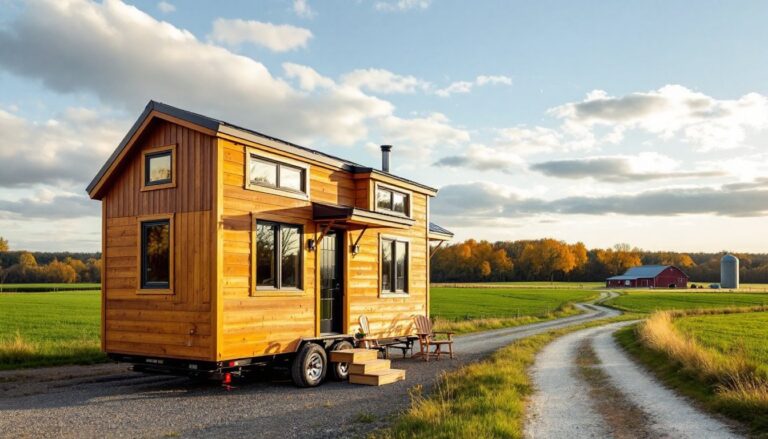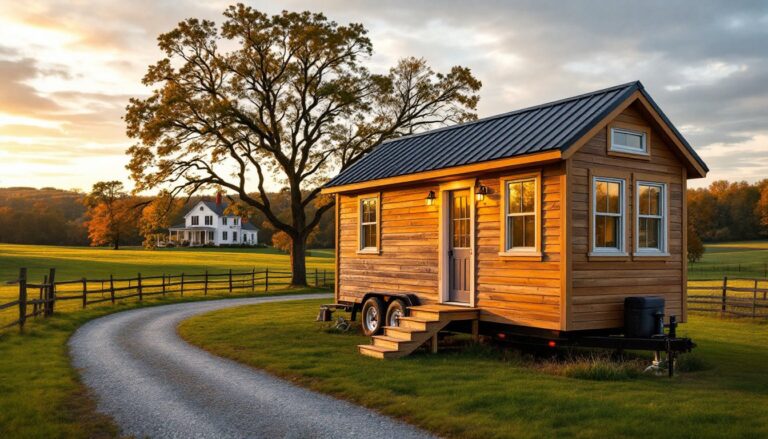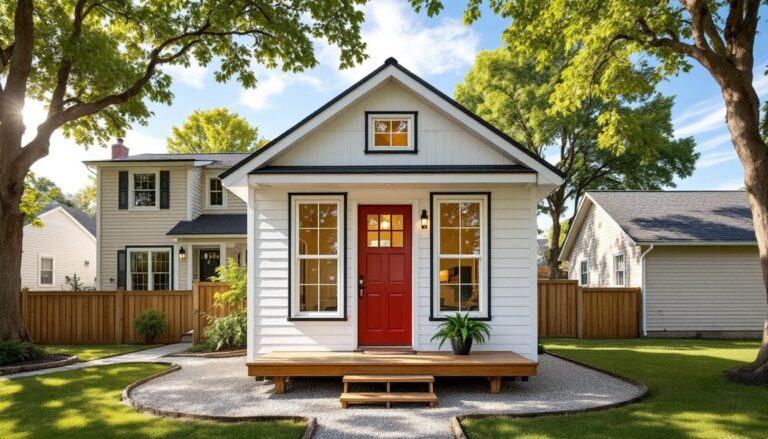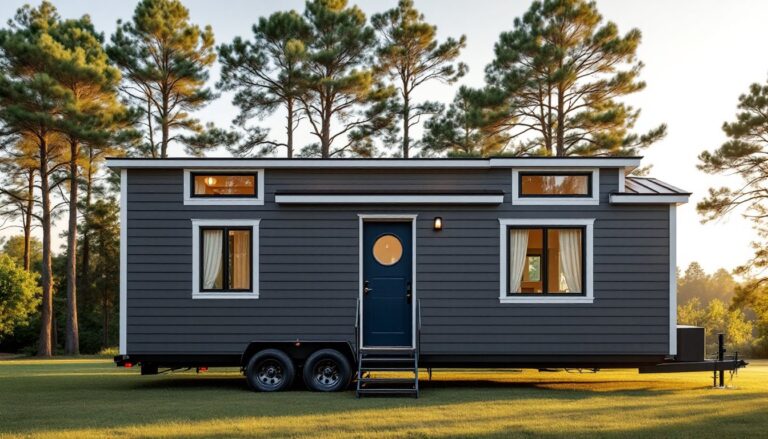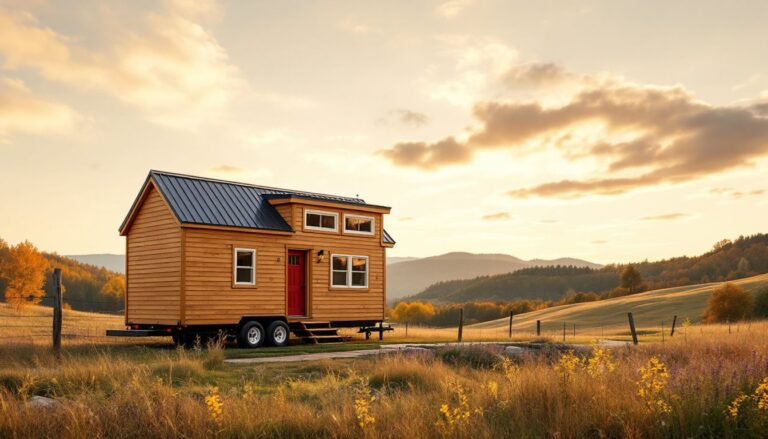
Atlanta’s metro area has quietly become one of the Southeast’s most active tiny house markets. Unlike the coastal hype, this region balances mild winters, diverse zoning, and a growing network of builders and communities dedicated to downsized living. Whether someone’s looking to park on their own land, join an intentional village, or find a turnkey unit on wheels, Atlanta offers options that range from bare-bones DIY shells to high-end, fully-appointed micro-dwellings. This guide walks through where to buy, what prices look like in 2026, zoning realities, and how to finance a purchase without tripping over the fact that most lenders still don’t know what to do with a house on a trailer.
Table of Contents
ToggleKey Takeaways
- Tiny houses for sale Atlanta range from budget builds under $40,000 to premium custom homes exceeding $120,000, offering flexible options for remote workers and professionals seeking lower housing costs.
- Atlanta’s affordable outer-county land, favorable climate, and growing network of specialized builders make it one of the Southeast’s most active tiny house markets with multiple villages and communities now operational.
- Zoning regulations vary significantly across Atlanta’s 29 counties; city THOWs face restrictions while rural areas like Henry and Coweta Counties allow permanent tiny house placement on agricultural land with proper permits.
- Financing options for tiny houses typically include RV loans (5–8% APR), chattel loans, or builder financing plans, since traditional mortgages don’t apply to homes on wheels.
- Buyers should verify RVIA certification, understand tow weight requirements, and hire specialized inspectors experienced with tiny house construction rather than standard home inspectors before purchasing.
- Planning to place a tiny house in Atlanta requires advance consultation with county planning departments and potentially a land-use attorney to confirm legal placement and avoid costly post-purchase zoning conflicts.
Why Atlanta Is a Hot Market for Tiny Houses
Metro Atlanta’s appeal for tiny house buyers boils down to three factors: land availability, climate, and a surprisingly flexible regulatory environment in certain jurisdictions.
Land in the outer counties, Henry, Coweta, Cherokee, and Forsyth, remains affordable compared to coastal markets. An acre with septic and well access can still be found for under $40,000, making it feasible to buy land and place a tiny house without breaking six figures. The USDA hardiness zone 7b/8a climate means no deep freezing that stresses plumbing in ultra-compact builds, and cooling loads stay manageable with proper insulation and ventilation.
Atlanta also sits at the crossroads of several regional tiny house builders and a handful of dedicated communities. The metro area has seen at least four tiny house villages either open or break ground since 2024, targeting everyone from retirees to remote workers. That infrastructure, combined with proximity to major highways for towing and resale, creates a liquid market. Builders report that Atlanta-area buyers are split evenly between those planning to move the home eventually and those anchoring it permanently on private land.
Finally, the city’s tech and creative economy has generated a cohort of buyers who value flexibility and lower overhead. When housing costs in Midtown or Virginia-Highland push past $2,500/month for a one-bedroom, a $60,000 tiny house on leased land or in a village starts to pencil out, especially for solo professionals or couples without kids.
Where to Find Tiny Houses for Sale in Atlanta
Online Marketplaces and Specialty Builders
Most Atlanta tiny house inventory lives online. Tiny House Listings, Tiny House Marketplace, and Facebook groups like “Georgia Tiny House Community” aggregate listings from private sellers, builders, and dealers. Expect a mix of used units, custom builds in progress, and spec homes ready to tow.
Local builders worth watching include Tiny Easy Homes (based in Dawsonville), which fabricates RVIA-certified trailers with spray-foam insulation and mini-split HVAC, and Riverside Tiny Homes out of Commerce, GA, known for rustic-modern interiors with reclaimed wood and galvanized metal roofing. Both offer factory tours by appointment, worth the drive to inspect build quality and discuss customization before putting down a deposit.
For those comfortable with DIY or budget-conscious buyers, shell builds (framed structure, exterior sheathing, roof, windows, and doors installed) run $20,000–$30,000 and let the owner finish electrical, plumbing, and interior at their own pace. Curbed frequently highlights design trends that translate well into compact layouts, from Murphy beds to fold-down dining tables.
Local Tiny Home Communities and Showrooms
Atlanta has a growing number of tiny house villages and showroom lots where buyers can walk through models and sometimes purchase on-site inventory.
Tiny Estates Atlanta in Cobb County operates a small community with five resident-owned homes and a rotating showroom of two to three models. Prospective buyers can tour fully furnished units, ask residents about real-world maintenance, and even rent a unit for a weekend trial. Community lots lease for $450–$600/month, including water, sewer, and trash.
Serenbe, the planned agrihood south of Atlanta, has approved a tiny house pilot zone. While not exclusively tiny homes, the neighborhood allows accessory dwelling units (ADUs) down to 350 square feet. Builders like Cottage Square and Modern Tiny Living have placed spec homes there, targeting buyers who want village amenities without sacrificing access to nature.
For a hands-on experience, visit the Atlanta Tiny House Festival (typically held in spring at Piedmont Park). Builders bring towable models, and attendees can climb inside, check ceiling height, test loft ladders, and compare floor plans side by side. It’s also a good venue to meet owners who’ve navigated zoning challenges in Missouri and other states and can share lessons learned.
What to Expect: Pricing and Features of Atlanta Tiny Homes
Pricing in the Atlanta market splits into three tiers as of 2026:
- Budget (under $40,000): Used units, DIY shells, or basic new builds (200–250 sq ft) on single-axle trailers. Expect vinyl siding, laminate floors, RV-style fixtures, and minimal insulation. These work for seasonal use or someone willing to upgrade systems over time.
- Mid-Range ($40,000–$75,000): New construction, 250–400 sq ft, dual-axle trailer, R-19 to R-21 wall insulation, LP SmartSide or metal exteriors, hardwood or luxury vinyl plank (LVP) flooring, residential appliances (apartment-size fridge, propane or electric range), and a composting or standard RV toilet. Most include a sleeping loft accessed by ladder or ships-ladder stairs.
- Premium ($75,000–$120,000+): Custom builds, 400+ sq ft, main-floor bedroom, full-size appliances, quartz counters, tile or hardwood throughout, mini-split heat pump, on-demand water heater, and upgraded windows (Low-E, double-pane). Some feature rooftop solar arrays (1–2 kW) and lithium battery storage.
Standard features across most Atlanta builders include:
- Trailer certification: Look for RVIA or NOAH certification if you plan to insure or finance. Unlicensed trailers can complicate registration.
- Electrical: 30-amp or 50-amp RV-style shore power connection, with a 100-amp or 200-amp breaker panel for off-grid or permanent hookup. Wiring should meet NEC Article 550 (mobile/manufactured home code).
- Plumbing: PEX lines, residential-grade fixtures, and either a black-water holding tank (if mobile) or direct sewer connection.
- Loft height: Measure carefully. Many codes and mortgage programs require 6 feet 8 inches minimum headroom in sleeping areas. Lofts under 5 feet are legal but uncomfortable for adults.
Be wary of builder claims around “off-grid ready.” True off-grid capability means solar, battery, composting toilet, and either rainwater collection or a well. Most “off-grid” packages are just pre-wired for future panels. Budget an additional $10,000–$15,000 to equip a home for full autonomy.
Also ask about tow weight and tongue weight. A finished 400 sq ft home can hit 14,000–16,000 lbs. That requires a ¾-ton or 1-ton pickup with a gooseneck or fifth-wheel hitch. Don’t assume a half-ton can handle it safely, even if the seller says otherwise.
Zoning Laws and Placement Options in the Atlanta Area
Zoning is the biggest headache for tiny house buyers in Georgia, and Atlanta is no exception. The metro area spans 29 counties, each with its own rules.
Within the City of Atlanta, tiny houses on wheels (THOWs) are generally not permitted as primary dwellings on residential lots. The city classifies them as RVs, which can’t be occupied for more than 30 consecutive days on a residential parcel. But, the city does allow ADUs (accessory dwelling units) down to 300 sq ft if built on a permanent foundation and the lot meets minimum size and setback requirements. ADUs require a building permit, must match the primary dwelling’s exterior materials, and can’t be rented short-term without a separate permit.
Unincorporated counties vary widely:
- Cherokee and Forsyth Counties: Allow THOWs on agricultural-zoned land (minimum 5 acres) if registered as an RV and connected to septic or sewer. Occupancy limits often cap at 180 days/year unless the owner applies for a variance.
- Henry and Coweta Counties: More permissive. A THOW can serve as a permanent residence on land zoned A-1 (agricultural) with a septic permit and electrical inspection. Some parcels grandfather in older mobile home rules, which inadvertently cover tiny houses.
- Cobb County: Restrictive. THOWs are prohibited as dwellings. Foundation-based tiny homes under 600 sq ft require a variance and public hearing.
For placement without land ownership, consider:
- Tiny house communities: Tiny Estates, Serenbe, and others lease lots with pre-approved zoning. Monthly fees cover utilities and sometimes internet.
- RV parks: Some metro RV parks allow long-term tiny house residents. Confirm the park distinguishes between travel trailers and THOWs, some have design standards.
- Private land lease: Landowners in rural areas sometimes lease a pad for $200–$400/month. Draft a written lease and confirm the county allows it. Verbal agreements fall apart during code enforcement.
Similar zoning puzzles appear in markets like Louisville, KY, where county rules can change dramatically across a single metro area.
Before buying, call the county planning and zoning department (not the tax assessor, not the building inspector). Ask specifically about THOWs, ADUs, and whether a certificate of occupancy is required. If the answer is murky, request it in writing or consult a local land-use attorney. Spending $300 on a legal consultation beats buying a home you can’t legally park.
Financing Your Tiny House Purchase
Traditional mortgages don’t apply to homes on wheels. Most lenders classify THOWs as personal property, like a car or boat, which means higher interest rates and shorter terms.
Common financing routes in 2026:
- RV loans: If the home is RVIA-certified, credit unions and specialty lenders (like LightStream or Essex Credit) offer RV loans at 5–8% APR for 10–15 years. Down payments run 10–20%. Monthly payments on a $60,000 loan at 7% over 12 years hover around $600.
- Personal loans: Unsecured loans work for smaller amounts ($20,000–$40,000) but carry 8–12% APR and 5–7 year terms. Best for budget builds or finishing a DIY shell.
- Chattel loans: Designed for manufactured homes, chattel loans can cover foundation-based tiny houses if the lender agrees. Rates and terms fall between RV and personal loans.
- Cash or builder financing: Some builders offer in-house payment plans, typically 20% down, 24–36 monthly payments at 0–6% interest. Read the fine print: late fees and default clauses can be aggressive.
If placing a tiny house on owned land as an ADU and building on a permanent foundation, a construction loan or home equity line of credit (HELOC) might apply. Foundation-based builds under 600 sq ft can also qualify for conventional mortgages in some cases, especially if the appraiser treats it as a detached ADU contributing to the primary property value.
Buyers exploring similar markets in places like Pensacola often find that financing options depend heavily on RVIA certification and whether the unit will remain mobile.
Insurance is another wrinkle. Homeowners insurance typically won’t cover a THOW. Look for RV insurance (Progressive, National General) or specialty tiny house policies (Strategic Insurance Agency). Expect $600–$1,200/year for $50,000–$75,000 in coverage, including liability.
Finally, check if the seller includes a warranty. Reputable builders offer at least a one-year warranty on structure and systems. Used homes sold as-is require a third-party inspection, hire someone experienced with RV or tiny house construction, not a standard home inspector. Resources like ImproveNet can help identify qualified inspectors who understand the unique challenges of compact builds. Also, platforms like Houzz showcase tiny house interior ideas and connect buyers with design professionals who specialize in maximizing small spaces, which can be invaluable when planning custom finishes or renovations.