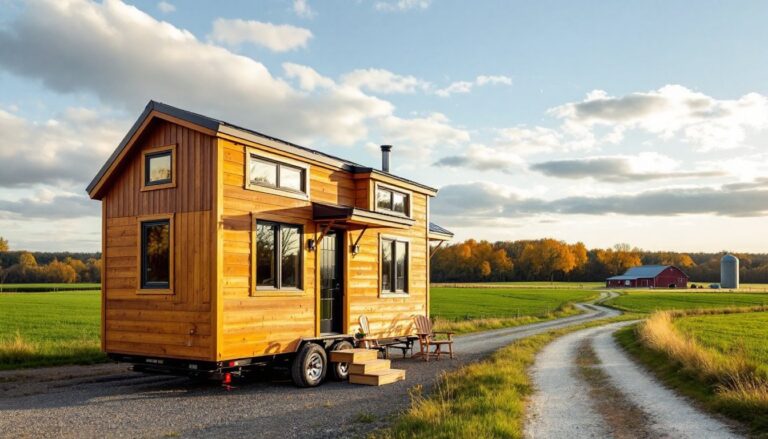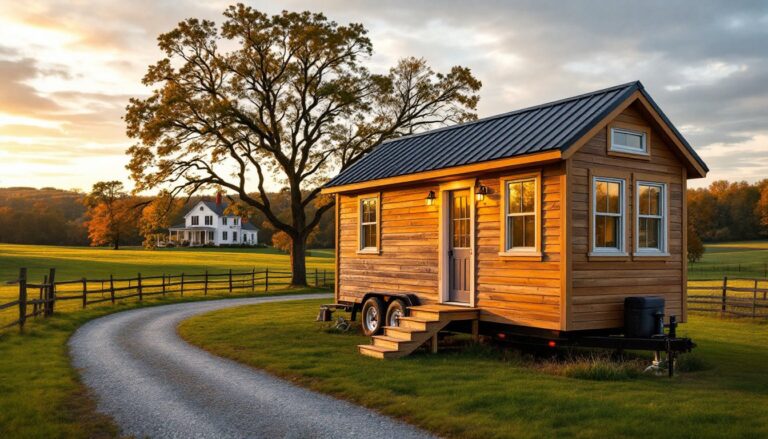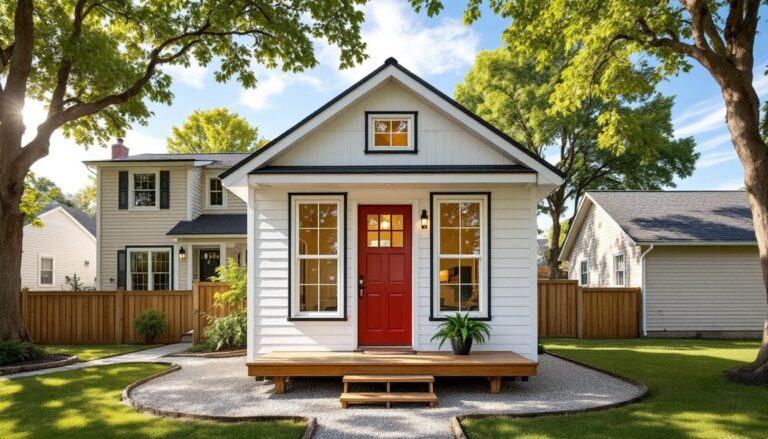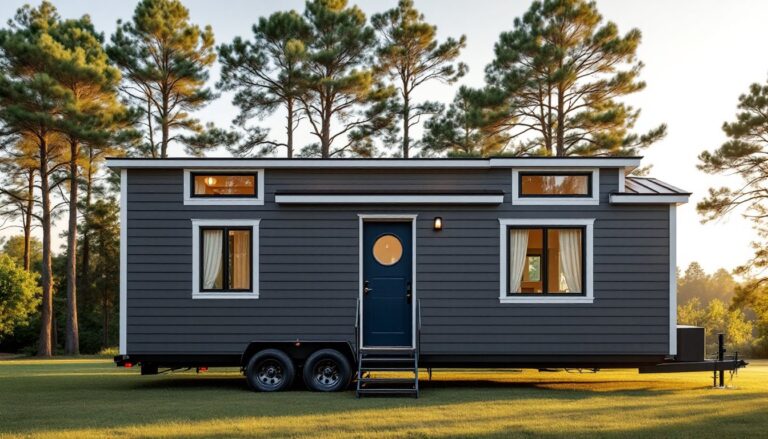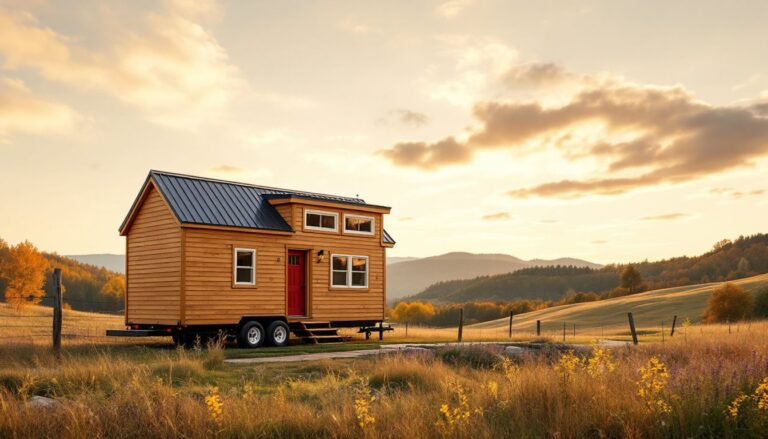
Maryland’s housing market is pushing more buyers toward alternative living solutions, and tiny houses are filling that gap. Whether you’re downsizing for retirement, looking for an affordable first home, or want a rental property that pencils out, tiny houses offer a practical entry point. But buying one in Maryland isn’t as simple as browsing listings and signing papers. You’ll need to navigate zoning regulations, understand what you’re actually getting for your money, and know where to look beyond the usual real estate channels. This guide covers everything from pricing to permits, so you can make an well-informed choice before committing to a tiny house purchase in the Old Line State.
Table of Contents
ToggleKey Takeaways
- Tiny houses for sale in Maryland range from $10,000 DIY kits to $150,000+ luxury builds, making them an affordable alternative to the state’s median home price exceeding $400,000 in many counties.
- Zoning regulations vary significantly by Maryland county, with Accessory Dwelling Units (ADUs) on permanent foundations being the most legally straightforward option, while Tiny Houses on Wheels face stricter restrictions unless placed in RV parks or agricultural zones.
- Key structural features to prioritize include dual-axle trailers with DOT compliance, R-13+ wall insulation for Maryland’s freeze-thaw cycles, and proper moisture management systems to prevent condensation and mold in compact spaces.
- Online marketplaces like Tiny House Listings and local Mid-Atlantic builders such as Mint Tiny House Company provide vetted options, though inspecting for water damage, code compliance, and proper financing terms is essential before committing.
- Energy costs in tiny houses can drop significantly—a well-insulated 200-square-foot unit may cost under $40/month to heat compared to $150+ for traditional homes, delivering long-term savings despite upfront variability in purchase prices.
Why Tiny Houses Are Gaining Popularity in Maryland
Maryland’s median home price has climbed past $400,000 in many counties, pricing out first-time buyers and forcing creative housing solutions. Tiny houses offer a foothold in expensive markets like Montgomery, Howard, and Anne Arundel counties where conventional homes are out of reach.
Beyond affordability, the state’s geographic diversity makes tiny living practical. You can park a tiny house on rural land in Garrett County, place one on family property in the Eastern Shore, or use it as an accessory dwelling unit (ADU) in jurisdictions that allow them. The Chesapeake Bay’s appeal draws retirees who want simpler living without leaving the region.
Utility costs run lower in tiny houses, a real advantage given Maryland’s rising energy rates. A well-insulated 200-square-foot tiny house can heat for under $40/month in winter with a mini-split system, compared to $150+ for a traditional home. Water and electric bills drop proportionally when you’re living in a fraction of the space.
Environmental concerns also drive interest. Maryland has aggressive climate goals, and tiny houses align with reduced consumption and smaller carbon footprints. Many buyers prioritize off-grid capability or tiny house solar panels to minimize grid dependence.
Finally, lifestyle flexibility matters. Maryland’s position between major metros means some buyers use tiny houses as weekenders or rental income properties near Annapolis, Ocean City, or Deep Creek Lake. Others are simply tired of maintaining 2,000+ square feet they don’t need.
Where to Find Tiny Houses for Sale in Maryland
Online Marketplaces and Tiny House Builders
Most tiny house shopping starts online, but you’ll want to move beyond general real estate sites. Tiny House Listings and Tiny House Marketplace aggregate builders and private sellers nationwide, including Maryland-based options. Filter by state, size, and whether the unit is on wheels (THOW) or on a foundation.
Facebook Marketplace and Craigslist turn up used tiny houses and DIY builds, often at lower price points. Be cautious, inspect thoroughly and verify titles for units on trailers. If it’s titled as an RV, financing and insurance differ from a traditional home.
National builders like Tumbleweed Tiny House Company and New Frontier Tiny Homes ship to Maryland, but you’ll pay freight costs and may need to arrange your own setup. Some builders offer turnkey delivery and setup if you have a permitted site ready.
Houzz hosts portfolios from custom tiny house builders and can help you find design inspiration for custom builds. Search for Maryland-based builders in the platform’s professional directory to vet credentials and past projects.
For mobile tiny houses, verify the trailer meets DOT standards, dual axles rated for the load, proper lighting, and a Vehicle Identification Number (VIN). Builders should provide a certificate of origin or title.
Local Dealers and Custom Builders in Maryland
Maryland has a growing network of local builders who understand state codes and can deliver finished units ready for occupancy. Mint Tiny House Company, based in the Mid-Atlantic, builds custom tiny houses on wheels and can navigate Maryland’s specific zoning hurdles. They offer consultations on where you can legally place your unit.
Tiny Estates, though primarily a community developer, sometimes lists individual tiny homes for sale in their Maryland projects. These come with pre-approved zoning and hookups, removing much of the legwork.
Local Amish and Mennonite builders in western Maryland (Frederick and Washington counties) construct shed-style tiny houses and cabins. These aren’t always marketed as “tiny houses,” but a 12’x24′ shed with loft can be finished as living space for $15,000–$30,000. You’ll handle insulation, electrical, and plumbing yourself or hire it out.
RV dealers in Maryland occasionally stock park model RVs, which are essentially tiny houses built to RV standards (under 400 square feet, towable). These bypass some building codes but require RV-compliant parks or private land zoned for RVs.
If you’re considering placement on family land or as an ADU, working with a local custom builder simplifies permitting. They’ll know which counties are tiny-house friendly and which require variances or special use permits.
Price Ranges and What to Expect for Your Budget
Tiny house pricing in Maryland spans a wide range depending on size, build quality, and whether it’s new or used.
Shell or DIY Kits: $10,000–$25,000
Bare-bones shells on trailers, or prefab kits you assemble yourself. You’ll finish electrical, plumbing, insulation, and interior. Budget another $10,000–$20,000 in materials and labor if you hire trades. Good for hands-on builders with time and skills.
Basic Finished Tiny Homes: $40,000–$60,000
Entry-level turnkey units, typically 100–200 square feet on wheels. Expect laminate counters, vinyl flooring, RV-style appliances, and basic insulation. Finishes are functional, not luxurious. These often use nominal 2×4 framing with spray foam insulation and mini-split HVAC.
Mid-Range Custom Builds: $60,000–$90,000
Custom layouts, upgraded materials (butcher block counters, hardwood or luxury vinyl plank flooring), and better appliances. Builders incorporate features like composting toilets, on-demand water heaters, and structural improvements for towing. Expect higher-grade windows, thicker insulation (R-19+ walls), and thoughtful storage solutions.
High-End and Luxury Tiny Homes: $90,000–$150,000+
Full custom designs with premium finishes, hardwood interiors, tile showers, and high-efficiency systems. Some include off-grid packages (solar, battery banks, rainwater collection). At this price point, you’re competing with traditional down payments, so evaluate whether tiny living still pencils out financially.
Used Market: $20,000–$70,000
Depends heavily on age, condition, and how much DIY work the seller completed. Inspect for water damage, structural issues on the trailer, and code compliance. Titles and resale values can be murky, some lenders won’t finance used tiny houses.
Maryland’s sales tax (6%) applies to tiny houses classified as personal property. If financed as an RV, expect higher interest rates (6–10%) compared to traditional mortgages. Cash buyers have the most leverage and flexibility.
Maryland Zoning Laws and Placement Regulations for Tiny Houses
Zoning is the biggest hurdle for tiny house buyers in Maryland. There’s no statewide tiny house law, each county and municipality sets its own rules.
Accessory Dwelling Units (ADUs) are the most common legal pathway. Some Maryland counties (including Howard and Montgomery) updated codes to allow ADUs on single-family lots, provided they meet size limits (often 800–1,200 square feet max), setback requirements, and owner-occupancy rules. A tiny house on a permanent foundation that meets the International Residential Code (IRC) can qualify as an ADU. You’ll need building permits, inspections, and utility hookups to code.
Tiny Houses on Wheels (THOWs) face tougher restrictions. Most jurisdictions classify them as RVs, which aren’t permitted as permanent residences in residential zones. Exceptions exist:
- RV parks and campgrounds in areas like Ocean City or Deep Creek Lake may allow long-term THOW placement, but verify local ordinances and park rules.
- Agricultural zones in rural counties (Garrett, Carroll, Calvert) sometimes permit RVs or temporary dwellings on farms, though occupancy limits and time restrictions vary.
- Private land can work if zoned for RVs or if you secure a variance, but this often requires a hearing and neighbor notification.
Minimum dwelling size codes still exist in some counties. Baltimore County, for example, requires dwellings on permanent foundations to be at least 450 square feet. Confirm local minimums before buying.
Other markets like tiny homes in Raleigh have clearer ADU frameworks: Maryland is catching up, but progress is patchwork.
Utilities and septic: If your tiny house requires a septic system, you’ll need a perc test and county health department approval. Many tiny house owners use composting toilets and greywater systems to avoid septic costs, but code compliance varies.
Safety tip: Don’t assume you can park a tiny house on land you own without checking. Zoning violations can result in fines, forced removal, or inability to sell the property. Consult a local zoning attorney or Fine Homebuilding resources if codes are unclear.
Essential Features to Look for When Buying a Tiny House
When evaluating a tiny house, focus on structural integrity, livability, and systems that match your intended use.
Trailer and Frame (for THOWs)
The trailer is the foundation. Look for a dual-axle trailer rated for the loaded weight, with electric brakes, DOT-compliant lighting, and a VIN. Frame should be welded steel, not bolted, with proper anchoring for the house structure. Rust or frame damage is a deal-breaker, towing a compromised tiny house is dangerous.
Insulation and Climate Control
Maryland winters hit freezing, and summers are humid. Walls should have at least R-13 insulation (R-19 is better), with closed-cell spray foam in floors and ceilings to prevent condensation and mold. A mini-split heat pump handles both heating and cooling efficiently in small spaces. Avoid relying solely on space heaters or window AC units, they’re inefficient and a safety risk.
Water and Plumbing
On-grid tiny houses connect to municipal water and sewer or septic. Off-grid builds need freshwater tanks (30–50 gallons typical), greywater tanks, and either a composting toilet or blackwater holding tank. PEX plumbing is standard: avoid older CPVC in cold climates. If the unit has an on-demand water heater, confirm it’s rated for low flow (0.5 GPM or lower).
Electrical Systems
Most tiny houses wire for 30-amp RV service or 100-amp residential service if on a foundation. If you plan to use high-draw appliances (electric stove, washer/dryer), 30-amp service won’t cut it. Off-grid setups need a battery bank, inverter, and charge controller, verify the system is sized for your actual use, not just minimal lighting.
Storage and Layout Efficiency
Every inch counts. Look for built-in cabinets, under-stair storage, loft spaces, and multi-function furniture. Stairs beat ladders for loft access if you’re over 50 or plan to age in place. Ceiling height matters, 7’6″ feels cramped: 10’+ in the main living area is more comfortable.
Appliances
RV-sized appliances (apartment fridge, two-burner cooktop, combination washer/dryer) are common. Verify they’re energy-efficient, Energy Star rated when possible. Propane appliances (stove, on-demand heater) are common in off-grid builds, but require proper venting and LP detectors.
Moisture Management
Tiny houses are prone to condensation because of limited airflow and high occupant density relative to volume. Look for vapor barriers, proper flashing around windows, and ventilation (ceiling fans, range hood, bathroom exhaust). Prior water damage, stains, soft spots in flooring, mold, should be inspected by a professional before purchase.
Code Compliance and Certification
If buying new, ask if the build follows NOAH (National Organization of Alternative Housing) or RVIA (RV Industry Association) standards. These certifications help with financing, insurance, and resale. For custom builds on foundations, confirm the builder pulled permits and passed inspections.
Resale Considerations
Tiny houses don’t appreciate like traditional real estate. If you’re treating this as an investment, consider markets with growing tiny home demand and communities where placement is legally straightforward. Units that are easily movable and code-compliant hold value better.