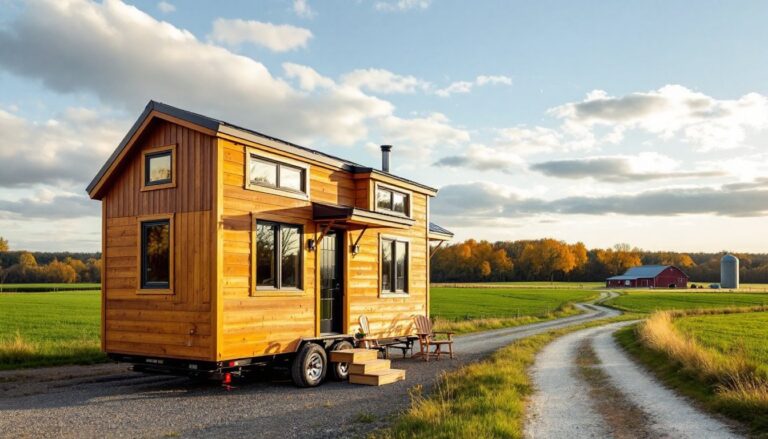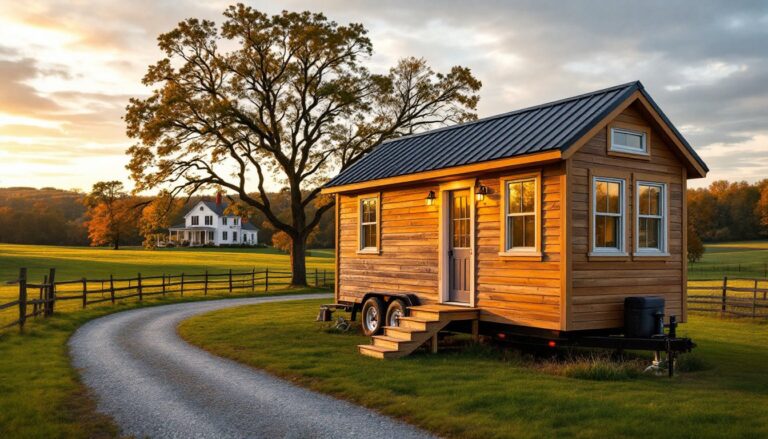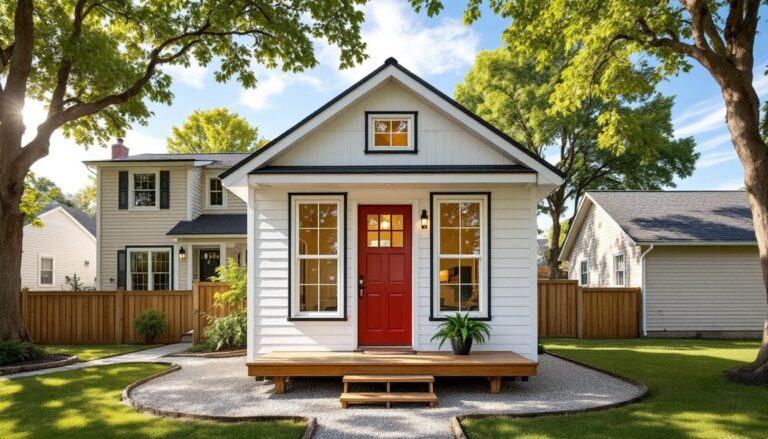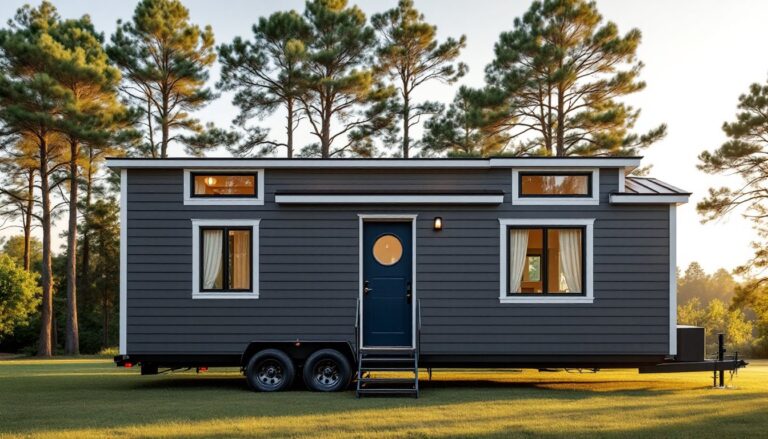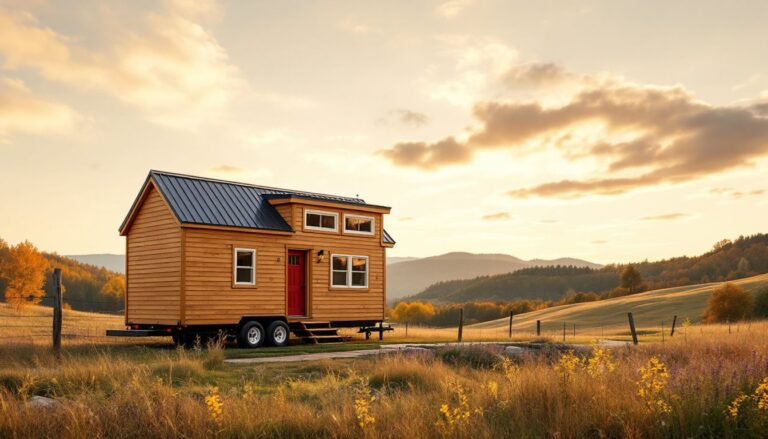
Metal tiny homes are surging in popularity as people seek affordable, low-maintenance housing that stands up to the elements without constant upkeep. Built primarily from steel or aluminum framing with metal siding and roofing, these compact dwellings combine industrial durability with modern design flexibility. Whether someone’s downsizing, seeking financial freedom, or just tired of painting wood siding every few years, metal construction offers a practical alternative to traditional stick-built tiny homes. This guide breaks down the benefits, design possibilities, and critical considerations for anyone thinking about building or buying a metal tiny home.
Table of Contents
ToggleKey Takeaways
- Metal tiny homes use durable steel or aluminum framing with metal siding and roofing, offering superior weather resistance and fire protection compared to traditional wood-framed construction.
- Metal exteriors require minimal maintenance—no painting or repairs needed—and can last 30+ years with only occasional cleaning, resulting in significant long-term cost savings and potential insurance discounts.
- Proper insulation with closed-cell spray foam is essential for metal tiny homes to prevent condensation and thermal bridging, which can lead to mold and rust if overlooked.
- Metal tiny homes allow for flexible interior design with larger open spans and custom steel features, enabling creative layouts like lofts and open kitchens without load-bearing walls.
- Before building or buying a metal tiny home, verify local zoning laws, trailer weight limits, and permit requirements, as regulations vary significantly by jurisdiction and can impact legality and financing options.
What Are Metal Tiny Homes and Why Are They Growing in Popularity?
Metal tiny homes are compact dwellings, typically under 400 square feet, constructed using steel or aluminum framing with corrugated metal, standing seam, or ribbed panel siding. Unlike wood-framed tiny houses that rely on 2×4 or 2×6 studs, metal homes use steel C-channel or square tube framing that won’t warp, rot, or attract termites.
The popularity surge has several drivers. First, material costs for dimensional lumber spiked dramatically between 2020 and 2025, making steel framing competitive on price, especially when factoring in long-term maintenance. Second, climate resilience matters more than ever. Metal homes handle extreme weather better than wood, from wildfire embers to hurricane-force winds. Third, the aesthetic has shifted. What once looked purely industrial now reads as modern and intentional, especially when paired with large windows and wood accents.
Many builders also appreciate faster construction timelines. Prefabricated metal panels and welded frames go up quicker than traditional framing, and there’s no waiting for lumber to acclimate or dry. For DIYers comfortable with metalworking tools, a metal tiny home can be a realistic self-build project, though welding skills or a hired welder are usually necessary for structural connections.
Key Benefits of Choosing Metal for Your Tiny Home
Durability and Weather Resistance
Metal siding and roofing outlast nearly every other exterior material. Galvanized steel and Galvalume-coated panels resist rust for decades, and powder-coated finishes add another layer of protection. Unlike wood siding that needs repainting or staining every 5–7 years, quality metal can go 30+ years with minimal maintenance.
Fire resistance is another major advantage. Metal doesn’t ignite, making it a smart choice in wildfire-prone areas or for off-grid setups near brush. While it’s not fireproof, windows, doors, and interior finishes still burn, a metal shell significantly reduces risk compared to vinyl or wood.
Wind and impact resistance are equally impressive. Standing seam metal roofing can handle winds over 140 mph when properly fastened, and metal siding won’t crack from hail or flying debris the way fiber cement or vinyl can. If the home is mobile (built on a trailer), that durability extends to road vibration and travel stress.
Cost-Effectiveness and Maintenance
Upfront costs for metal materials can run slightly higher than basic wood framing and vinyl siding, but the gap has narrowed. As of 2026, expect to pay $3–$7 per square foot for corrugated or ribbed metal panels, depending on gauge and finish. Standing seam is pricier, $8–$12 per square foot installed, but offers cleaner lines and better weather sealing.
Where metal really pays off is in ongoing maintenance and energy efficiency. There’s no painting, no rot repair, and no pest treatment. Cleaning is typically just a hose-down once or twice a year. Roof coatings with reflective finishes can cut cooling costs significantly in hot climates, and pairing metal with spray foam insulation inside the walls creates an airtight thermal envelope.
Insurance premiums may also be lower. Many carriers offer discounts for metal roofing and non-combustible siding, especially in fire or hail zones. It’s worth checking with an agent before finalizing materials, as savings can be substantial over the life of the home.
Design Styles and Customization Options for Metal Tiny Homes
Metal tiny homes aren’t limited to the industrial shipping-container look. Modern designs range from sleek and minimalist to warm and rustic, depending on panel choice, color, and accents.
Corrugated metal panels give a classic barn or workshop vibe and work well for budget builds. They’re easy to install with exposed fasteners and come in a wide range of colors, though darker shades absorb more heat. Standing seam panels offer a contemporary, clean look with hidden fasteners and vertical lines that elongate the structure visually. They cost more but pair beautifully with large glass doors and minimalist interiors.
Mixing materials adds character. Many builders combine metal siding with cedar or reclaimed wood accents, fiber cement board-and-batten, or even stucco panels on one wall for contrast. This approach softens the industrial edge and can help a tiny home blend into different settings, from wooded lots to urban infill.
Interior customization is wide open. Steel framing allows for larger open spans without needing load-bearing walls, so lofts, open kitchens, and flexible living areas are easier to design. Some builders weld in custom steel staircases, ladders, or shelving directly to the frame. Others finish interiors in shiplap, plywood, or drywall, making the metal structure invisible from inside.
For those interested in high-end finishes, luxury tiny home designs can easily incorporate metal exteriors with upscale interiors, from quartz countertops to heated floors. The key is planning utilities and insulation early, metal conducts temperature, so a continuous thermal break and quality insulation (spray foam or mineral wool) are non-negotiable.
Color and finish matter more than many first-time builders realize. Kynar or PVDF finishes hold color longer and resist fading better than basic polyester coatings. If the home will be parked in full sun or near saltwater, investing in premium coatings pays off.
Important Considerations Before Building or Buying
Zoning and permits are the first hurdle. Tiny homes on wheels (THOWs) often fall into an RV or movable structure category, which may sidestep some building codes but can also limit where they’re legally parked. Permanent foundation tiny homes usually require full building permits and must meet International Residential Code (IRC) Appendix Q standards (where adopted) or local tiny house ordinances.
Metal structures sometimes face extra scrutiny. Some jurisdictions require engineered drawings and stamped plans for steel framing, especially if the home exceeds a certain square footage or will be used as a primary residence. It’s worth consulting a local building department early, before purchasing materials.
Foundation and anchoring are critical, whether on a trailer or a permanent pad. For mobile builds, the trailer frame must be rated for the total weight, and steel framing adds pounds. A typical tandem-axle 20-foot trailer is rated for 7,000–10,000 lbs: a metal-framed tiny home can easily approach that limit with framing, siding, roofing, and interior finishes. If exceeding Gross Vehicle Weight Rating (GVWR), the home may require special towing permits or a commercial driver’s license in some states. For more on moving tiny homes safely, understanding tiny house towing requirements is essential.
For permanent installations, metal homes need proper grounding per National Electrical Code (NEC) Article 250. The steel frame itself can serve as a grounding electrode system if bonded correctly, but this must be done by a licensed electrician familiar with metal structures.
Condensation and thermal bridging are the biggest pitfalls with metal construction. Without proper insulation and a vapor barrier, warm interior air hitting cold metal framing causes moisture buildup, leading to mold and rust. The fix is closed-cell spray foam insulation applied directly to the interior of metal panels and framing, creating a continuous barrier. Batt insulation alone won’t cut it, air gaps around metal studs create cold spots.
Off-grid builders should consider solar panel installations early in the design phase, as metal roofs are ideal for mounting but require specific fasteners and flashing to avoid leaks. Standing seam roofs accept clamp-on mounts that don’t penetrate the roof surface, which is a huge advantage.
Fire safety remains important even with non-combustible siding. Homes still need working smoke detectors, carbon monoxide alarms, and fire extinguishers. For additional tips on protecting small spaces, fire safety best practices tailored to tiny homes.
Finally, resale and financing can be tricky. Traditional mortgage lenders often won’t finance tiny homes under 400 square feet or homes on wheels. RV loans, personal loans, or builder financing are more common routes. According to guidance from This Old House, metal-sided tiny homes can hold value well if built to code and documented with permits, but the market is still niche.
For design planning, many builders now use digital tools. Resources like 3D planning software help visualize metal panel layouts, window placement, and interior flow before cutting a single piece of steel.
Conclusion
Metal tiny homes offer a compelling mix of durability, low maintenance, and design flexibility that’s hard to beat with traditional materials. They require thoughtful planning around insulation, permits, and structural details, but for builders willing to do the assignments, the payoff is a home that can weather decades with minimal fuss. Whether going DIY or buying turnkey, understanding the trade-offs upfront makes all the difference.