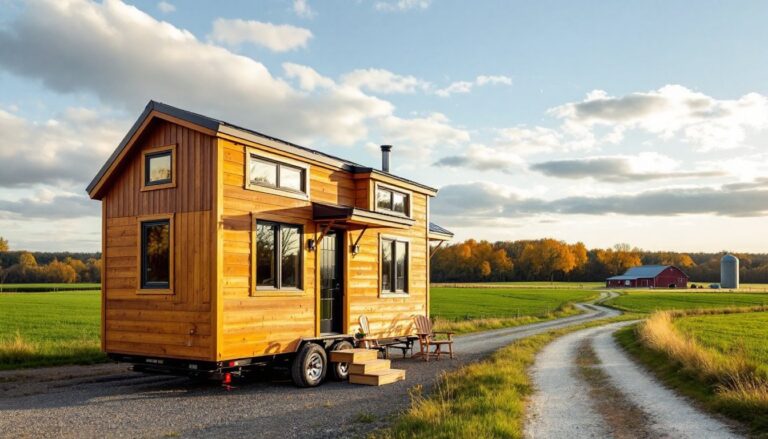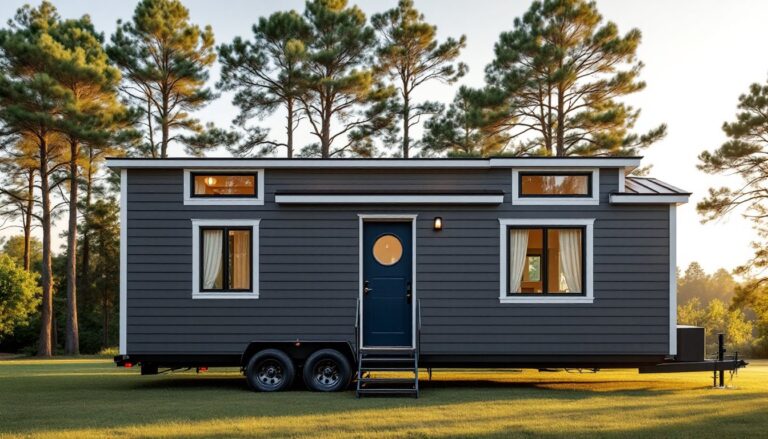
Tesla’s tiny house wasn’t a product launch, it was a roving billboard. In 2017, the company rolled out a compact, solar-powered structure to demonstrate how Powerwall 2 and rooftop photovoltaic panels could power an entire dwelling. The rig toured Australia, parking in shopping centers and events to show skeptical homeowners that energy independence wasn’t science fiction. While you can’t order one from Tesla’s website, the design principles behind it offer a blueprint for anyone building or retrofitting a tiny home with integrated solar and battery systems.
Table of Contents
ToggleKey Takeaways
- Tesla’s tiny house was a marketing demonstration that showcased how solar panels and a Powerwall battery system could power an entire off-grid dwelling, but the unit was never sold to consumers.
- A DIY solar-powered tiny house system typically costs $6,700–$11,500 when built independently, compared to $20,000–$26,000 for a professional turnkey installation with Powerwall.
- Sizing your energy system correctly—estimating daily consumption in kWh and matching it to a 3–5 kW solar array with appropriate battery storage—is more important than maximizing panel capacity.
- Electrical safety and code compliance are critical; install DC-rated breakers, properly ground all components, and follow NEC standards even if local permits aren’t always required for towable structures.
- Energy efficiency upgrades like spray foam insulation, LED lighting, and propane water heaters can reduce power consumption by 30–50%, allowing smaller and less expensive solar and battery systems.
- A single Powerwall (13.5 kWh) provides only 1–2 days of autonomy in winter, so grid-tied systems with battery backup are more practical than pure off-grid setups unless you install a larger battery bank or backup generator.
What Is the Tesla Tiny House?
The Tesla Tiny House is a towable demonstration unit measuring roughly 6 meters long (about 20 feet), built on a trailer chassis for mobility. It’s not a residence, it’s a showcase fitted with Tesla’s energy hardware and interactive displays. The exterior features a standing-seam metal roof with integrated solar panels, feeding power to a Powerwall 2 battery (13.5 kWh usable capacity) mounted inside.
Inside, visitors found touch screens explaining solar generation, battery storage cycles, and electric vehicle charging. The unit included basic living space, enough to illustrate how appliances, lighting, and climate control could run entirely off-grid. Tesla designed it to travel from city to city, targeting regions where grid electricity costs were high or solar incentives made the economics attractive.
The structure itself wasn’t engineered for long-term habitation. Insulation, plumbing, and HVAC were minimal. Think of it as a rolling trade-show booth, not a code-compliant dwelling. Tesla never mass-produced or sold the unit. After the Australian tour wrapped, the tiny house vanished from public view, no follow-up tours, no retail model, no DIY plans released.
How the Tesla Tiny House Works: Solar Power Meets Compact Living
The core system pairs photovoltaic (PV) panels with the Powerwall 2, creating a closed-loop energy cycle. During daylight, panels generate DC electricity. An inverter converts DC to AC for household circuits. Excess power charges the Powerwall. After sunset or during cloudy spells, the battery discharges to supply loads.
For a tiny house (typically 100–400 square feet), energy demand is low, often 10–20 kWh per day depending on appliances, climate control, and occupancy. A 3–5 kW solar array can cover that load in regions with decent sun hours (4–6 peak hours daily). The Powerwall’s 13.5 kWh capacity provides overnight autonomy and backup during multi-day weather events.
Tesla’s demo relied on a grid-tied system with battery backup, not pure off-grid operation. This means the house could pull from the utility when solar and battery reserves ran low, then export surplus energy for net metering credits. For true off-grid setups, users need larger battery banks or generator backup, since a single Powerwall offers limited autonomy during winter or extended cloudy periods.
Key Features and Design Elements
The trailer chassis allowed the structure to be towed by a Tesla Model X, reinforcing the brand’s electric vehicle narrative. Tongue weight and total weight stayed within the SUV’s 5,000-pound towing capacity (check your specific model year, capacities vary).
The solar array used monocrystalline panels, likely rated around 300–350 watts each. Exact wattage wasn’t published, but the roof footprint (roughly 120 square feet) could accommodate a 2.5–3 kW array. Panel mounting was flush to the metal roof, minimizing wind resistance during highway towing.
Interior finishes were clean but utilitarian: plywood cabinetry, LED strip lighting, and a minimalist palette. No full kitchen or bathroom, the focus was energy hardware, not livability. The Powerwall occupied wall space that would normally hold a closet or pantry.
One clever detail: the inverter and charge controller were integrated into the Powerwall unit, reducing component count and wiring complexity. In a DIY build, you’d typically install these as separate boxes, adding cost and labor.
Can You Buy a Tesla Tiny House?
No. Tesla never offered the tiny house for sale, nor released construction plans. The unit was a marketing vehicle (literally) for Powerwall and solar products, not a housing product line.
You can buy the components Tesla showcased, Powerwall batteries and solar panels, though Tesla has shifted focus to their Solar Roof (photovoltaic shingles) and third-party panel installations. As of 2026, Powerwall units are available in most U.S. states, typically bundled with a solar installation. Standalone battery purchases are harder to arrange and often require proof of existing solar capacity.
Pricing for a Powerwall 3 (the current model, with 13.5 kWh usable and integrated inverter) runs $9,300–$11,500 before installation, varying by region and installer markup. Add $3,000–$5,000 for professional installation, electrical permits, and interconnection agreements with your utility. Federal tax credits (currently 30% under the Inflation Reduction Act) apply if paired with solar, reducing net cost.
Solar panel costs hover around $2.50–$3.50 per watt installed in 2026. A 4 kW system for a tiny house would run $10,000–$14,000 before incentives. Combined with a Powerwall, you’re looking at $20,000–$26,000 for a turnkey solar-plus-storage system.
Several tiny house builders offer solar packages inspired by Tesla’s demo, integrating brands like Renogy, EcoFlow, or Goal Zero. These systems use similar architecture, roof-mounted panels, lithium batteries, and inverter/chargers, but with more flexible configurations and DIY-friendly components.
Building Your Own Tesla-Inspired Tiny House: A Practical Guide
Replicating the Tesla tiny house concept is doable for a competent DIYer, but it requires planning, electrical knowledge, and realistic expectations. Start by defining your energy budget. Track current usage or estimate loads: LED lighting (50–100 watts), refrigerator (150–400 watts, depending on size and efficiency), laptop/phone charging (50–100 watts), mini-split heat pump (500–1,500 watts while running). Add up peak and average daily consumption.
For mobility, build on a trailer rated for your target weight. A typical tiny house on wheels weighs 8,000–12,000 pounds fully loaded. Use a tandem-axle trailer with brakes and ensure your tow vehicle exceeds the Gross Combined Weight Rating (GCWR). Secure a heavy item like a Powerwall to the trailer frame or floor joists with lag bolts into structural members, not just wall studs.
Electrical work must meet National Electrical Code (NEC) standards, even if your jurisdiction doesn’t require permits for towable structures (many don’t). Solar systems over 1 kW often trigger permit requirements. Battery installations need proper ventilation (even lithium batteries vent gases under fault conditions), overcurrent protection, and disconnects accessible without tools.
Safety first: Wear gloves and safety glasses when handling batteries and wiring. Work with AC circuits only after shutting off breakers and confirming zero voltage with a non-contact tester. DC systems can deliver dangerous arc-flash energy, treat them with the same respect as AC mains.
Many builders integrate energy efficiency before sizing solar. Spray foam insulation (R-21 in walls, R-38 in roof/floor), double-pane windows, and Energy Star appliances cut consumption by 30–50% compared to standard builds, reducing required panel and battery capacity.
Essential Components for a Solar-Powered Tiny Home
Solar Panels: For a 3–5 kW array, plan on 10–16 panels at 300–400 watts each. Monocrystalline panels offer better efficiency per square foot (important on a small roof). Mounting hardware must withstand highway wind loads, use low-profile racking bolted through the roof into 2×4 or 2×6 rafters (actual dimensions 1.5″ x 3.5″ or 1.5″ x 5.5″). Seal penetrations with butyl tape and Dicor lap sealant, not silicone (it degrades faster under UV).
Battery Storage: A Powerwall is plug-and-play but pricey. DIY alternatives include LiFePO4 battery banks (12V, 24V, or 48V nominal) from suppliers like Battle Born or SOK. A 10 kWh LiFePO4 bank costs $3,000–$5,000. Add a battery management system (BMS) to prevent overcharge/over-discharge. Mount batteries low in the structure for stability during towing.
Inverter/Charger: This unit converts DC battery power to 120V AC and manages charging from solar or shore power. Choose a model rated for your peak load plus 20% headroom. A 3,000-watt inverter/charger handles most tiny house loads. Brands like Victron, Magnum, and Outback are proven in mobile applications. Wire with appropriately sized copper cable, undersized DC conductors cause voltage drop and fire risk.
Charge Controller: A Maximum Power Point Tracking (MPPT) controller extracts more energy from panels than older PWM types, especially in variable light. Size it to handle your array’s total wattage. A 60-amp MPPT controller supports up to 3 kW on a 48V system.
Electrical Panel and Safety Devices: Install a main breaker panel (even in a DC system, you need overcurrent protection). Use DC-rated breakers or fuses on solar and battery circuits, AC-rated devices won’t safely interrupt DC arcs. Ground all metal enclosures and the trailer frame per NEC Article 250.
Consider a monitoring system like Victron’s VenusGX or a simple battery monitor. Knowing state-of-charge and daily consumption helps you avoid over-discharging batteries, which shortens lifespan. Proper tiny house solar panels selection and placement ensures you’re generating enough power year-round.
Cost Breakdown: What You’ll Actually Spend
Solar Array (4 kW): Panels $800–$1,200, racking and hardware $300–$600, wiring and conduit $200–$400. Total: $1,300–$2,200.
Battery Bank (10 kWh LiFePO4): $3,000–$5,000 including BMS.
Inverter/Charger (3 kW): $1,200–$2,000.
MPPT Charge Controller (60A): $400–$700.
Electrical Components: Breaker panel, breakers, fuses, disconnects, grounding hardware: $300–$600.
Monitoring System: $200–$500.
Installation Supplies: Mounting brackets, sealant, wire loom, connectors, labels: $300–$500.
Total DIY Solar System: $6,700–$11,500 depending on component choices and whether you do all labor yourself. Hiring an electrician for final hookup and inspection adds $500–$1,500.
For comparison, a turnkey Powerwall-based system installed by a licensed contractor runs $20,000–$26,000, as noted earlier. The DIY route saves money but demands time, research, and comfort working with electrical systems. Those considering luxury tiny homes often opt for professional installation to ensure code compliance and warranty coverage.
Permit costs vary wildly. Some jurisdictions treat towable tiny houses as RVs (no permit needed): others require electrical, plumbing, and structural sign-offs. Budget $200–$1,000 for permits if required. Missing permits can complicate insurance and resale.
Don’t forget efficiency upgrades. Swapping a standard electric water heater for an on-demand propane model cuts electrical load by hundreds of watts. Using a 12V DC refrigerator (common in RVs) eliminates inverter losses. Small moves compound into significant energy savings, shrinking required solar and battery capacity, and cost.
For those looking to enhance outdoor living, integrating ideas from tiny house porch designs can create functional spaces without increasing energy demands. Similarly, understanding tiny house towing mechanics ensures your solar rig stays road-safe.
If you’re new to energy system design, apartment-scale efficiency strategies offer useful parallels, prioritizing LED lighting, smart thermostats, and load scheduling to minimize peak demand. These habits translate directly to off-grid living.
Finally, safety considerations like fire safety protocols become even more critical when integrating high-capacity batteries and electrical systems into compact spaces. Install smoke and CO detectors, keep a 10-pound ABC fire extinguisher within reach of the electrical panel, and ensure all wiring is protected in metal conduit or rated cable.
Planning tools such as 3D design software help visualize component placement before cutting metal or drilling holes. Battery boxes, inverters, and solar controllers occupy precious square footage, mock up the layout digitally to avoid costly repositioning later. Even unconventional builds like a school bus conversion benefit from the same solar principles, with minor adaptations for curved roofs and chassis grounding.
Building a Tesla-inspired tiny house isn’t about replicating a discontinued marketing prop. It’s about applying proven renewable-energy principles to a mobile, compact dwelling. The result is energy independence, lower operating costs, and the satisfaction of living on sunshine. Just remember: the hardest part isn’t the technology, it’s the discipline to size systems realistically and resist the urge to add “just one more appliance.” Start small, monitor usage, and expand capacity as needed. That’s the real lesson from Tesla’s little house on wheels.