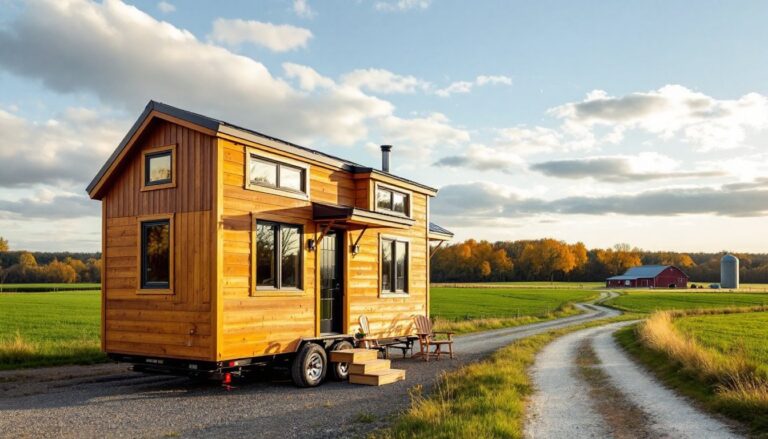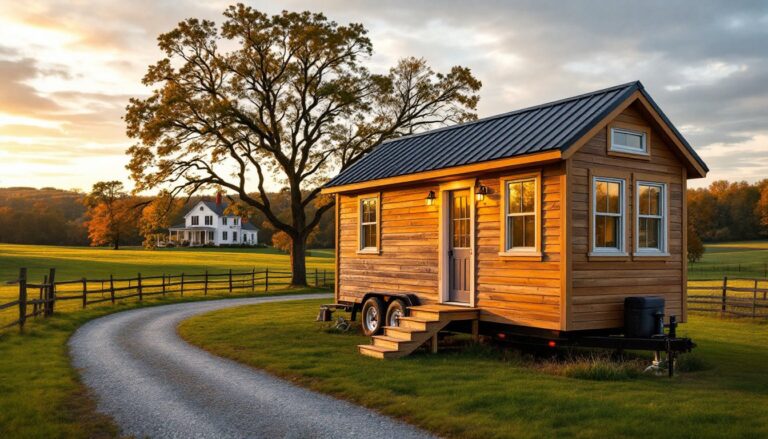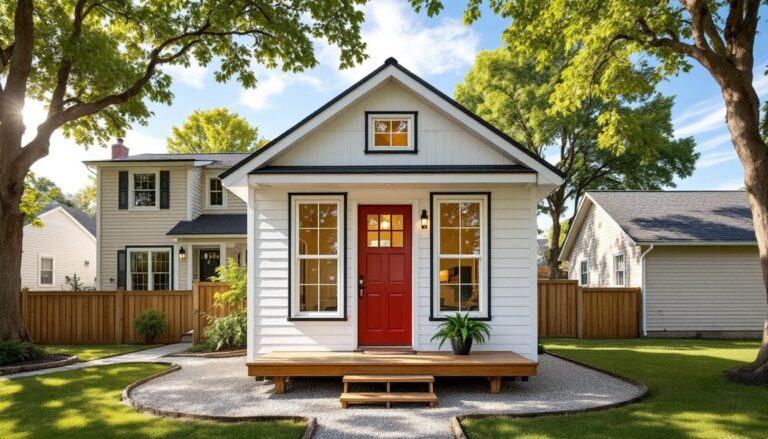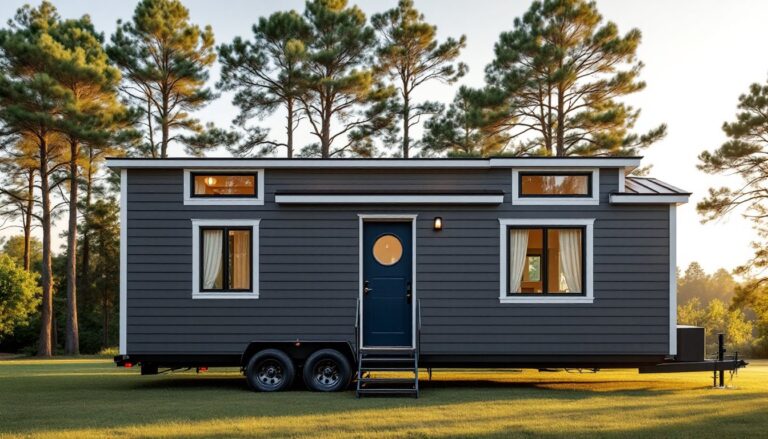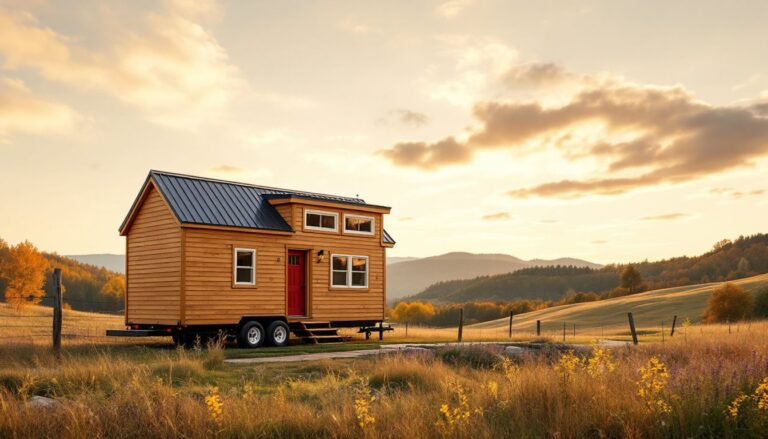
The housing market’s still tight, and many people are rethinking what “home” really means. Enter the tiny home shed, a compact, often prefab structure that blurs the line between backyard storage and livable space. These pint-sized dwellings offer an affordable entry point for downsizers, off-grid enthusiasts, or anyone needing a guest cottage without the permit headaches of traditional construction. In 2026, the market’s flooded with options, from bare-bones DIY kits to turnkey units with plumbing and HVAC. This guide walks through what’s available, where to shop, and how to avoid costly mistakes when buying your first tiny home shed.
Table of Contents
ToggleKey Takeaways
- Tiny home sheds range from $3,000 for basic shells to $50,000+ for turnkey units, making them an affordable alternative to traditional construction with significantly lower upfront costs.
- When buying a tiny home shed for sale, prioritize foundation compatibility, moisture barriers, electrical rough-ins, and proper insulation (R-13 minimum walls, R-30 ceiling) to avoid costly repairs and ensure year-round livability.
- Prefab shed homes arrive partially assembled for faster installation, while DIY kits offer lower upfront costs ($2,000–$6,000) but require 40–80 hours of labor and careful attention to building codes for structural integrity.
- Check your local zoning ordinances before purchasing, as many municipalities classify sheds under 200 square feet as accessory structures that bypass full building permits, potentially saving thousands in compliance costs.
- Financing options for tiny home sheds are limited since lenders avoid permanent-structure mortgages; explore HELOCs, personal loans, or cash purchases, and budget 10–15% contingency for unexpected site or utility challenges.
What Is a Tiny Home Shed and Why Are They So Popular?
A tiny home shed is essentially a shed-style structure, think gable or gambrel roof, wood or metal siding, converted or purpose-built for human occupancy. Unlike traditional sheds that store lawnmowers and paint cans, these units include insulation, windows, electrical rough-ins, and sometimes plumbing hookups. Most range from 64 to 200 square feet, though larger models push 400.
Popularity stems from three factors: cost, speed, and zoning flexibility. A basic 10×12 shell runs $3,000–$8,000, compared to six figures for stick-built construction. Many municipalities classify sheds under 200 square feet as accessory structures, sidestepping full building permits (always verify local codes, IRC and zoning ordinances vary). You can have one delivered and set on a gravel pad in a weekend.
They’re commonly used as ADUs (accessory dwelling units), home offices, artist studios, or rural retreats. The shed aesthetic, vertical board-and-batten, metal roofing, also appeals to buyers chasing modern farmhouse or Scandi minimalism without the Pinterest fluff.
Types of Tiny Home Sheds You Can Buy
Prefab Shed Homes
Prefab (prefabricated) shed <a href="https://chfcdesignation.com/tiny-homes-for-sale-louisville-ky/”>homes arrive partially or fully assembled. Manufacturers build walls, roof trusses, and flooring in a factory, then deliver them on a flatbed. Setup typically requires a level foundation, concrete piers, deck blocks, or a gravel base compacted to 95% density.
Key features:
- Insulation: R-13 to R-19 fiberglass batts in walls, R-30+ in roof cavities. Some use rigid foam or spray foam for tighter thermal envelopes.
- Electrical: Many include a 200-amp subpanel or at minimum conduit runs for future wiring. You’ll still need a licensed electrician to connect to your main service (NEC Article 225 for outbuilding feeders).
- Windows and doors: Double-pane vinyl or aluminum-clad units. Look for U-factor ≤0.30 in cold climates.
- Finish options: Drywall interior, luxury vinyl plank (LVP) flooring, and primed exterior siding ready for paint.
Examples include studio backyard sheds that blend design-forward materials with plug-and-play functionality. Expect $8,000–$25,000 for a shell, or up to $50,000 for a turnkey unit with kitchenette and bath.
DIY Shed Conversion Kits
DIY kits ship as cut-to-length lumber, fasteners, and plans. You provide labor and tools. Think of it as IKEA furniture at building scale.
Typical components:
- Framing lumber: Pressure-treated 4×4 skids, 2×4 wall studs on 16″ centers, 2×6 or engineered roof rafters.
- Sheathing: 7/16″ OSB for walls and roof deck, T1-11 or LP SmartSide for siding.
- Roofing: Asphalt shingles or corrugated metal panels with ridge cap and drip edge.
- Hardware: Galvanized joist hangers, hurricane ties, and carriage bolts.
You’ll need a circular saw or miter saw, cordless drill, framing nailer (a palm nailer works for tight spots), and a 4-foot level. Budget 40–80 hours for a solo builder: a helper cuts that in half.
Advantages: Lower upfront cost ($2,000–$6,000), full control over layout, and satisfaction of swinging your own hammer. Drawbacks: Mistakes in squaring walls or flashing details can cause water intrusion or structural sag. If you’ve never built a deck or framed a wall, consider a prefab.
Some kits marketed as compact tiny homes arrive with pre-cut siding and trim, which speeds finish work considerably.
Where to Find Tiny Home Sheds for Sale
Start with national shed retailers: Home Depot, Lowe’s, and Tuff Shed all sell shells that can be upgraded with insulation and windows. Custom orders add 4–8 weeks to delivery.
Specialized tiny-home builders like Jamaica Cottage Shop, Jamaican Cottage Shop, Studio Shed, and Tuff Shed offer models explicitly designed for occupancy. Their sites include 3D configurators so you can spec out door placement, window count, and interior finishes before ordering.
Local builders and Amish craftsmen often undercut big-box pricing and deliver faster. Search “shed builders near me” and ask for a portfolio. Verify they pull permits if your jurisdiction requires them for structures over a certain square footage (commonly 120 or 200 SF).
Online marketplaces: Facebook Marketplace, Craigslist, and OfferUp list used sheds. Inspect in person, check for roof sag, rot at sill plates, and foundation settling. A shed that’s been moved once can be moved again, but factor in $500–$1,500 for a professional mover with a tilt-bed trailer.
Tiny home expos and shows: These events (search “tiny house jamboree” or “home and garden show”) let you walk through models. Builders sometimes offer show discounts or floor-model sales.
For region-specific inventory, markets like Detroit and Missouri have seen growth in affordable tiny home options as zoning evolves.
What to Look for When Buying a Tiny Home Shed
Foundation compatibility: Sheds over 200 SF often require frost footings or a concrete slab per IRC R403. Smaller units can sit on deck blocks or a gravel pad, but check local frost depth, anything less invites seasonal heaving. Pressure-treated skids (4×6 or 6×6) should have no splits or checks deeper than 1/4″.
Structural framing: Walls should use 2×4 studs at 16″ on-center minimum. Roof framing depends on snow load: northern climates need 2×6 or 2×8 rafters or engineered trusses rated for 40–50 PSF live load. Ask for stamped truss drawings if you’re in a high-snow zone.
Moisture barriers: Look for house wrap (Tyvek, Typar) under siding, and a roof underlayment (30# felt or synthetic like GAF Deck-Armor). Flashing around windows and doors prevents 90% of water intrusion issues. If buying a DIY kit, you’ll install these yourself, don’t skip them.
Electrical and plumbing rough-ins: A shell with conduit runs and a subpanel location saves $1,000–$2,000 in retrofit labor. If you plan to add a bathroom, confirm floor joists can support plumbing penetrations and a gray-water holding tank or connection to your septic system (requires a permit and perc test in most jurisdictions).
Insulation and ventilation: Minimum R-13 in walls, R-30 in ceiling for year-round use. Add soffit and ridge vents (1 SF vent per 150 SF attic space per IRC R806) to prevent condensation. Without airflow, you’ll get mold on drywall in one humid summer.
Door and window quality: Cheap hollow-core doors warp. Spring for a fiberglass or steel insulated exterior door with a sill pan. Windows should tilt in for cleaning and have screens. Egress requirements kick in if you’re using it as a bedroom, IRC R310 mandates a minimum 5.7 SF opening, 24″ wide, 20″ tall, with sill height ≤44″ above floor.
Warranty and code compliance: Prefab sellers should provide a 1-year workmanship warranty and documentation that the structure meets IRC or IBC standards (or at least ANSI A119.5 for park models). If they dodge the question, walk away.
Cost Breakdown: How Much Should You Expect to Pay?
Pricing fluctuates with lumber markets, labor availability, and your region. As of early 2026, here’s a snapshot:
Basic shell (uninsulated, no windows)
8×10: $1,800–$3,500
10×12: $3,000–$5,500
12×16: $5,000–$8,500
Insulated shell with windows and door
10×12: $6,000–$10,000
12×16: $9,000–$14,000
12×20: $12,000–$18,000
Turnkey tiny home shed (finished interior, electrical, mini-split HVAC)
10×12: $15,000–$25,000
12×20: $25,000–$40,000
16×20: $35,000–$55,000
Add-ons that bump the price:
- Plumbing rough-in: +$1,500–$3,000 (drain lines, vent stack, supply stubs)
- HVAC: Mini-split heat pump runs $1,200–$2,500 installed: a mini wood stove (Dwarf or Cubic Mini) costs $800–$1,500 plus chimney
- Delivery and setup: $500–$2,000 depending on distance and site accessibility. Crane service for tight backyards adds $800+.
- Foundation: Gravel pad with compacted base and landscape fabric: $300–$800. Concrete slab (4″ thick, 3,000 PSI with 6×6 W1.4×W1.4 WWF): $4–$8 per SF.
- Permits: $200–$1,000 for accessory structure permits, more if plumbing or electrical inspections are required.
DIY finish costs (if you buy a shell):
- Insulation (fiberglass batts): $0.50–$1.00/SF
- Drywall: $1.50–$2.50/SF installed (or $0.60/SF DIY)
- Paint (interior): ~$30/gallon, covering 350–400 SF per coat
- Flooring (LVP): $2–$4/SF: snap-together installs in a weekend
- Electrical (DIY-legal in some states, but hire a pro for final hookup): $800–$2,000 for outlets, switches, panel, and inspection
Total realistic budget for a livable unit: $12,000–$30,000 for a modest 12×16 or 12×20 setup, including site prep, utilities, and finish work. For those eyeing upscale finishes, think quartz countertops, tongue-and-groove cedar ceilings, or custom cabinetry, luxury builds can easily hit $50,000–$80,000.
Financing: Most lenders won’t write a mortgage for a non-permanent structure. Consider a home equity line of credit (HELOC), personal loan, or paying cash. Some tiny-home-specific lenders exist, but expect higher interest rates (7–12% as of 2026).
Keep a 10–15% contingency for the unexpected, a utility trench hits rock, you need a variance for setback, or your “level” yard isn’t. Plan costs region-specific: lumber in the Pacific Northwest runs 20% less than the Southeast, but labor’s pricier.
Safety note: If running power from your main house, use UF-B (underground feeder) cable in conduit, buried 18–24″ deep per NEC 300.5. Always call 811 before digging. For propane appliances (stove, on-demand water heater), hire a certified tech, DIY gas work is illegal in most states and voids homeowner’s insurance.