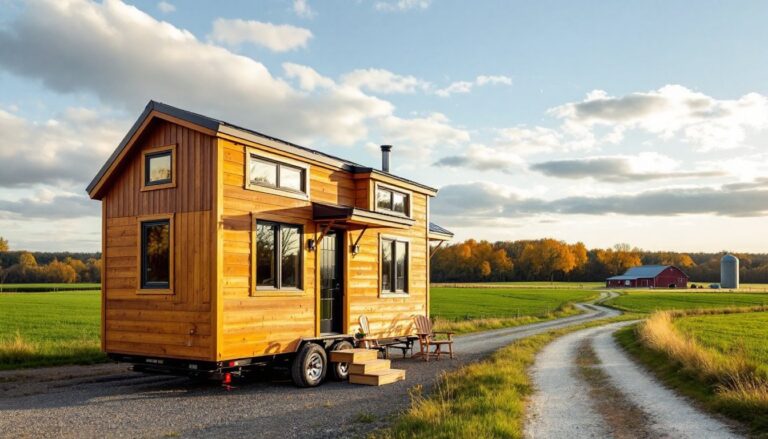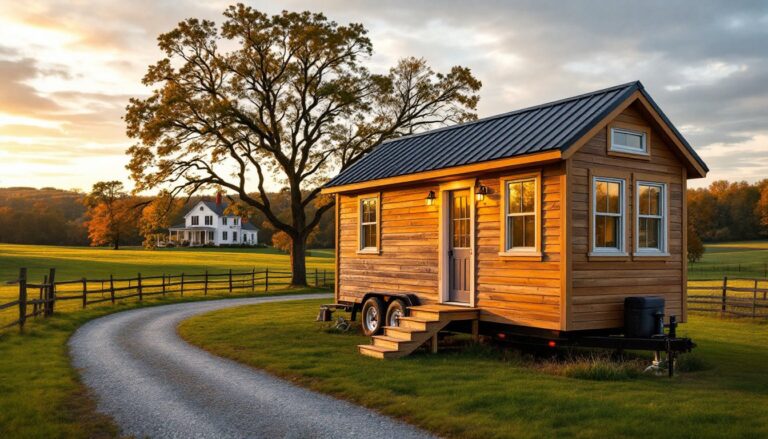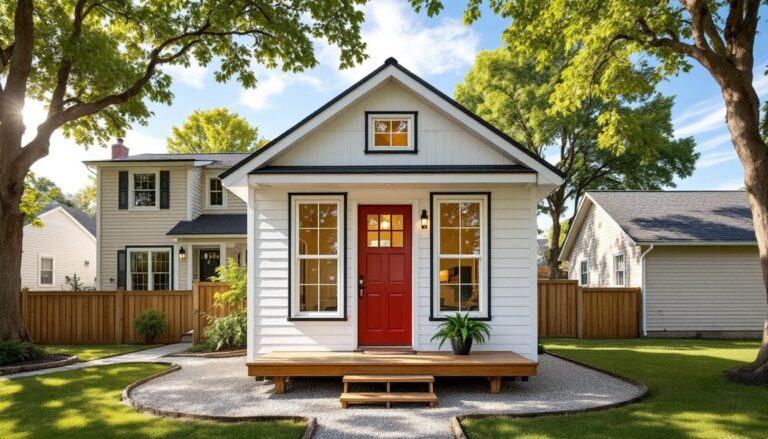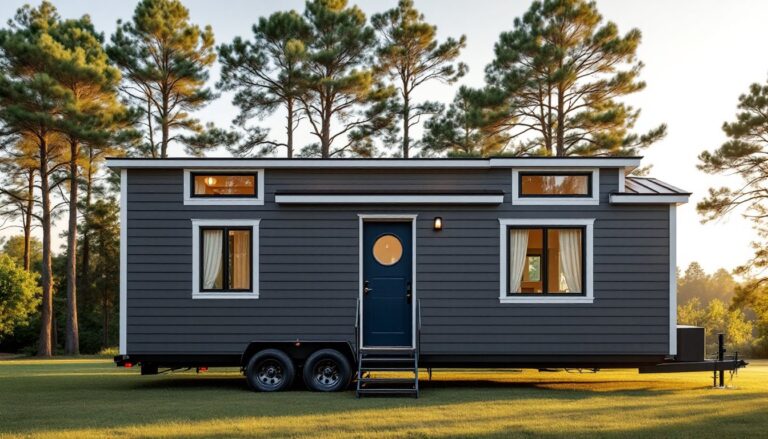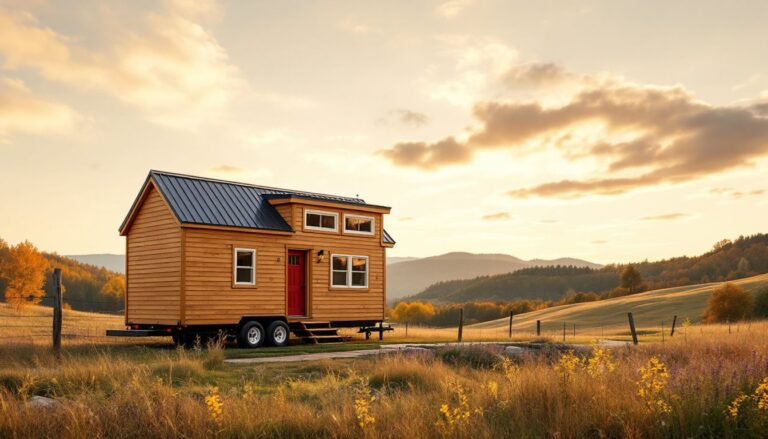
Louisiana’s unique blend of affordable land, mild winters, and relaxed living makes it one of the most compelling states for tiny home buyers in 2026. Whether you’re downsizing after retirement, seeking a low-maintenance vacation retreat, or chasing financial freedom, the tiny home market in the Pelican State offers options from custom-built units to turnkey park models. This guide walks through where to find tiny homes for sale, how to navigate Louisiana’s parish-by-parish zoning quirks, and what financing tools actually work for structures under 400 square feet.
Table of Contents
ToggleKey Takeaways
- Louisiana’s affordable land prices ($3,000–$8,000 per acre in rural parishes), mild winters, and relaxed zoning in unincorporated areas make it ideal for tiny homes for sale in Louisiana at a lower cost than most other states.
- Tiny homes for sale in Louisiana can be found through online marketplaces like Tiny House Listings and Facebook Marketplace, regional builders like Tumbleweed and New Frontier, or used models that depreciate 30–40% in value within three years.
- RVIA or NOAH certification is essential for placing a tiny home in an RV park or community, though unincorporated parishes outside city limits often allow tiny homes on private land with minimal permits and basic septic approval.
- Financing tiny homes requires alternatives to conventional mortgages—RV loans (6–12% rates), personal loans, construction-to-permanent loans, or cash deals—since most traditional lenders won’t approve structures under 400 square feet.
- Verify zoning laws parish-by-parish before purchasing, as incorporated cities often enforce 600–1,000 sq ft minimums, while unincorporated areas and agricultural zones typically offer more flexibility for tiny home placement.
- Budget for hurricane tie-downs, flood insurance in FEMA-designated coastal zones, septic systems ($4,000–$10,000), and annual RV or homeowners insurance ($600–$1,200+) to account for Louisiana’s climate and environmental factors.
Why Louisiana Is Perfect for Tiny Home Living
Louisiana checks several boxes for tiny home owners that other states can’t match. First, land costs remain significantly below the national average, rural acreage in parishes like St. Tammany, Livingston, and Tangipahoa routinely sells for $3,000 to $8,000 per acre, making it feasible to buy a small plot outright and avoid monthly lot rent.
Climate plays a role, too. While summers are hot and humid (expect to spec a quality mini-split AC unit with a SEER rating above 16), the mild winters mean minimal heating demand and no need for the extreme insulation or freeze-protection systems required in northern states. Freeze events are rare enough that simple heat tape on exposed plumbing lines usually suffices.
The culture here leans toward live-and-let-live, especially in rural and unincorporated areas. Many parishes have loose or nonexistent tiny home regulations outside city limits, giving owners flexibility to park a RVIA-certified tiny house on wheels (THOW) or build a foundation model without the red tape common in more regulated states.
Finally, proximity to outdoor recreation, bayous, fishing, state parks, and a lower cost of living overall make Louisiana attractive for retirees, remote workers, and anyone prioritizing experiences over square footage. Just be prepared for hurricane season and budget for tie-downs, flood insurance, and a solid foundation or pier system if you’re in a flood zone.
Where to Find Tiny Homes for Sale in Louisiana
Online Marketplaces and Tiny Home Builders
The easiest starting point is online marketplaces that aggregate listings nationwide. Tiny House Listings, Tiny House Marketplace, and Facebook Marketplace all feature Louisiana-based sellers and builders. Filter by location, price, and whether the unit is certified under RVIA or NOAH standards (more on that below).
Several regional builders operate in or ship to Louisiana. Tumbleweed Tiny House Company offers factory-built models delivered on trailers, with base prices starting around $70,000 for a 20-foot unit. New Frontier Tiny Homes, based in Tennessee, builds custom shells and turnkey models and delivers throughout the South. For a more upscale option, exploring luxury tiny homes can reveal high-end finishes and custom layouts that fit Louisiana’s climate.
If you’re handy and want to save 30–40% on labor, consider a shell build from a manufacturer like Tennessee Tiny Homes or Rocky Mountain Tiny Houses. You’ll get the framed structure, roof, windows, and doors on a trailer, then finish plumbing, electrical, and interior yourself. Just know that DIY electrical work in a dwelling requires a licensed electrician to sign off in most Louisiana parishes, and insurance companies often won’t cover owner-built structures without an inspection.
Another angle: used tiny homes. Depreciation hits tiny homes just like RVs, so a three-year-old unit in good condition can sell for 60–70% of its original price. Inspect carefully for water intrusion around windows, roof seams, and the trailer deck, moisture damage is the biggest killer of resale value.
Local Communities and RV Parks Accepting Tiny Homes
Louisiana has a growing number of RV parks and tiny home communities that welcome certified THOWs. The key word is certified, most parks require RVIA or NOAH certification to meet their insurance and liability standards.
Tiny House Community New Orleans, located in the Lower Ninth Ward, offers monthly lot rentals with utilities included. It’s one of the few urban tiny home parks in the state and caters to long-term residents rather than transient RVers. Expect waitlists and an application process.
In Acadiana, several RV parks near Lafayette and Breaux Bridge accept tiny homes on a case-by-case basis. Call ahead and ask specifically about length restrictions (most cap at 30–35 feet), utility hookups (30-amp or 50-amp service, water, and sewer), and whether they allow permanent residence or enforce stay limits.
North Louisiana offers more rural options. Parks near Toledo Bend Reservoir and Cross Lake welcome tiny homes, especially if they’re built to park model RV specs (under 400 square feet, ANSI A119.5 certified). These areas also see interest from retirees drawn to fishing and lower property taxes.
For those considering the Gulf Coast, tiny homes for sale in Pensacola offer a nearby coastal alternative with similar climate considerations. Before committing to any park, verify the lease terms, pet policies, and whether the park has plans to sell or redevelop, tiny home dwellers have limited tenant protections compared to traditional renters.
What to Consider Before Buying a Tiny Home in Louisiana
Zoning Laws and Building Codes Across Louisiana Parishes
Louisiana’s parish-by-parish zoning is a patchwork. There’s no statewide tiny home code, so rules vary wildly depending on whether you’re in an incorporated city, an unincorporated area, or on agricultural land.
Unincorporated parishes (areas outside city limits) often have the fewest restrictions. In places like Washington, St. Helena, and Sabine parishes, you can often place a tiny home on your own land without a building permit, as long as it meets basic setback requirements and isn’t used as a rental. But, you’ll still need septic approval from the Louisiana Department of Health if you’re not connecting to municipal sewer, expect a conventional septic system or an aerobic treatment unit, which runs $4,000 to $10,000 installed.
Incorporated cities are stricter. Baton Rouge, New Orleans, and Shreveport all require building permits for any permanent dwelling, and minimum square footage rules (often 600–1,000 sq ft) can disqualify tiny homes unless they’re classified as accessory dwelling units (ADUs). Some cities allow ADUs on single-family lots if the primary residence is owner-occupied: check with the local planning and zoning department before buying land.
RVIA-certified tiny homes on wheels occupy a gray area. Legally, they’re recreational vehicles, not dwellings, which means they can sometimes bypass minimum square footage rules, but many parishes prohibit living in an RV full-time on residential-zoned land. The workaround: agricultural or rural residential zoning, or parking in an RV park that allows long-term occupancy.
If you’re building from scratch, you’ll need to meet the Louisiana State Uniform Construction Code (based on the IRC), which covers structural loads, hurricane tie-downs, and wind ratings. Coastal parishes enforce flood elevation requirements, your tiny home may need to sit on piers or a raised foundation with the lowest floor above base flood elevation (BFE). For those exploring options beyond the state, tiny homes for sale in Missouri face similar considerations in flood-prone areas.
Permits: Electrical, plumbing, and mechanical work typically require separate permits and inspections, even for tiny homes. Budget $500 to $1,500 total for permits and inspection fees. If you’re in a high-wind zone (anywhere near the coast), expect additional engineering requirements for tie-downs and roof bracing.
Financing Options for Tiny Homes
Financing a tiny home isn’t as straightforward as a conventional mortgage. Most traditional lenders won’t touch a structure under 400 square feet or one built on a trailer, because it doesn’t meet Fannie Mae and Freddie Mac guidelines for real property.
Your main options:
RV loans: If your tiny home is RVIA-certified, you can finance it as a recreational vehicle through lenders like LightStream, Alliant Credit Union, or local credit unions. Rates range from 6% to 12% depending on credit, and terms max out at 10–15 years. Expect a down payment of 10–20%.
Personal loans: Unsecured personal loans are another route, especially for smaller builds under $50,000. Rates are higher (8–15%), and terms shorter (3–7 years), but approval is faster and doesn’t require the home to meet specific certifications. Resources like HGTV’s tiny home financing guide offer additional consumer-facing breakdowns of loan products.
Land and construction loans: If you own land outright and plan to build a foundation tiny home, some regional banks and credit unions will offer a construction-to-permanent loan. You’ll need detailed plans, a licensed contractor, and an appraisal showing the finished home will meet minimum value thresholds (often $50,000+). Interest rates are comparable to conventional mortgages, but expect stricter underwriting.
Cash or seller financing: A surprising number of tiny home sales happen outside the banking system. If the builder or seller offers in-house financing, read the terms carefully, some charge interest rates above 12% or include balloon payments. Paying cash eliminates financing headaches entirely and gives you leverage to negotiate 5–10% off the asking price.
Insurance is the final piece. Tiny homes on wheels usually qualify for RV insurance, which runs $600 to $1,200 annually depending on value and location. Foundation models may need a standard homeowners policy, but expect higher premiums in coastal flood zones and mandatory flood insurance if you’re in a FEMA-designated area. Features highlighted by Southern Living’s tiny home coverage often include hurricane preparedness and moisture control, critical for Louisiana’s climate.
For rural builds, exploring resources on rural tiny homes can provide insight into off-grid systems and septic planning. Before signing any purchase agreement, confirm that your financing, insurance, and zoning all align, it’s not uncommon for a buyer to secure a loan only to discover the parish won’t issue a certificate of occupancy.