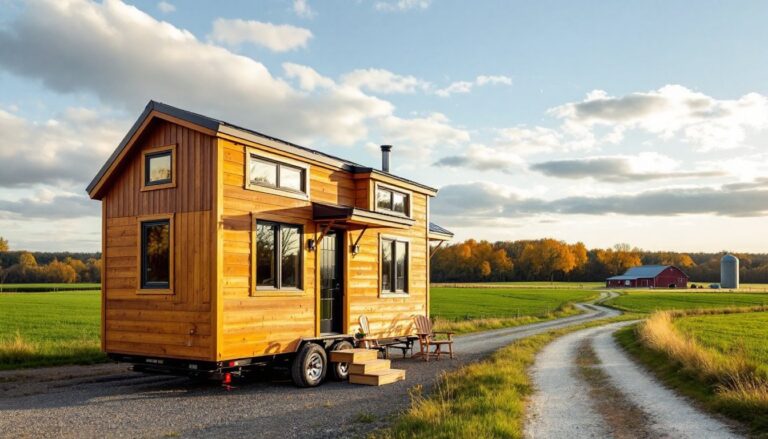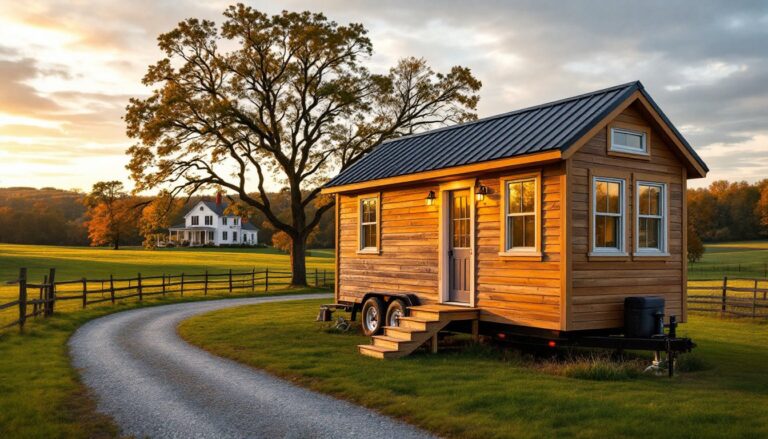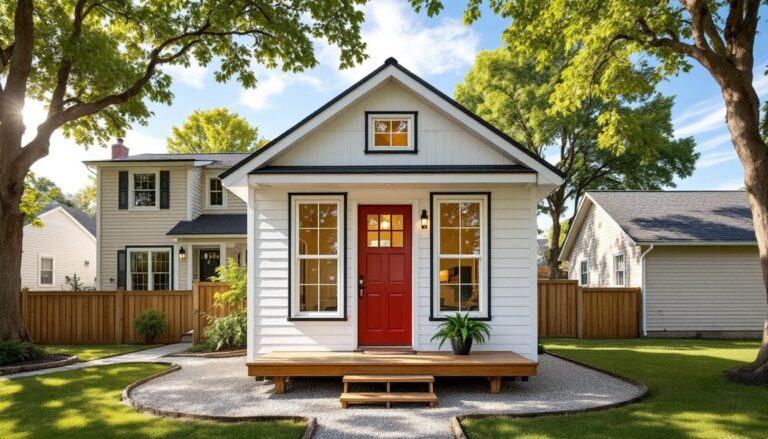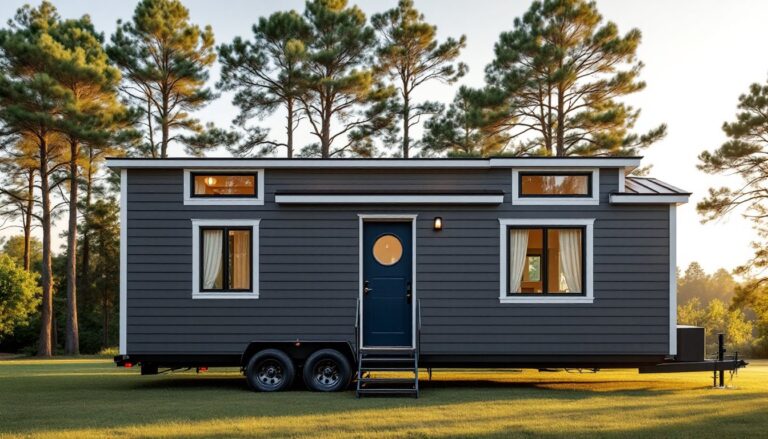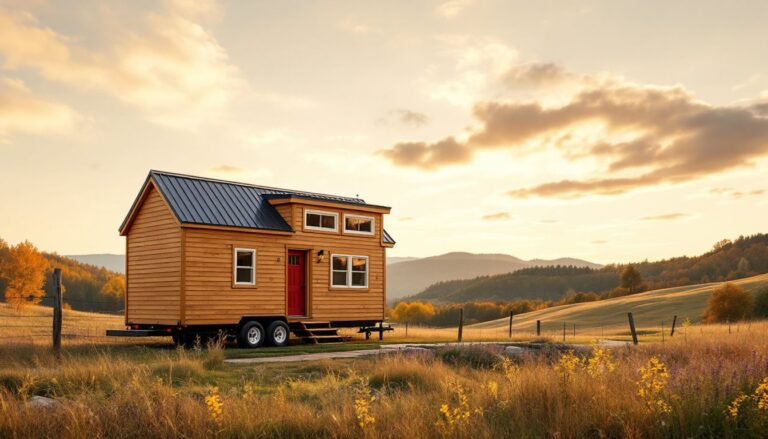
Long Island’s real estate market has always been tight, expensive land, property taxes that make homeowners wince, and inventory that moves fast. That’s why more buyers are turning to tiny homes as a practical alternative. Whether you’re downsizing, looking for a backyard ADU (accessory dwelling unit), or trying to get into homeownership without draining your savings, tiny homes offer a path that sidesteps the traditional grind. But finding one on Long Island isn’t as simple as browsing Zillow. Zoning laws are tricky, inventory is scattered, and financing doesn’t work like a conventional mortgage. This guide walks through where to find tiny homes for sale, what they cost, how local regulations affect placement, and how to actually pay for one.
Table of Contents
ToggleKey Takeaways
- Tiny homes for sale on Long Island offer a cost-effective alternative to traditional single-family homes, ranging from $35,000 to $150,000 depending on size and finish level.
- Long Island’s complex zoning regulations require buyers to verify local ordinances before purchasing—some towns allow ADUs while others classify tiny homes on wheels as prohibited RVs.
- RV loans and personal loans are the primary financing options for tiny homes on wheels, with terms of 10–15 years and interest rates between 5% and 8%.
- Critical inspection points include trailer frame integrity, water damage, insulation quality (at least R-13 in walls for Northeast winters), and compliance with RVIA standards or local building codes.
- Strategic placement options include RV-friendly parks, leased private land in agricultural zones, and backyard ADUs for multigenerational living or short-term rental income.
- Consulting a local real estate attorney and contacting your building department early prevents costly delays and ensures your tiny home project aligns with town-specific regulations.
Why Tiny Homes Are Gaining Popularity on Long Island
Long Island’s median home price hovers well above the national average, making entry into the market nearly impossible for many first-time buyers. A tiny home (typically under 400 square feet) can cost anywhere from $40,000 to $150,000 depending on builder quality and features, a fraction of what a traditional single-family home demands.
Beyond affordability, property taxes remain a huge motivator. A tiny home on wheels classified as an RV may avoid some of the annual tax burden that comes with traditional real estate, though this depends heavily on how it’s registered and where it’s parked. Buyers also appreciate the lower utility costs: heating and cooling a 200-square-foot space is far cheaper than managing a 2,000-square-foot house.
There’s also a practical angle for multigenerational living. Families are using tiny homes as backyard guest houses for aging parents or adult children, allowing privacy without the expense of a second property. Others see them as income-generating ADUs that can be rented out short-term or long-term, depending on local ordinances.
Environmental concerns play a role too. Smaller footprints mean less material waste during construction, reduced energy consumption, and often more sustainable building practices. Many builders now offer options with solar panels, composting toilets, and rainwater collection systems, features that align with the values of eco-conscious buyers.
Where to Find Tiny Homes for Sale on Long Island
Online Marketplaces and Specialty Builders
The fastest way to browse inventory is through online platforms. HGTV’s tiny house listings showcase homes under 600 square feet with photos and builder details, giving buyers a sense of what’s available nationally. While not all listings are local, many builders ship or deliver within the Northeast.
Specialty builders like Tumbleweed Tiny House Company, New Frontier Tiny Homes, and regional fabricators often have models ready for purchase or can customize builds. Expect lead times of 3 to 6 months for custom orders. Some builders offer shell packages (framed structure, roofing, windows) starting around $20,000, allowing DIYers to finish interiors themselves.
Facebook Marketplace, Craigslist, and Tiny House Listings (a dedicated platform) also feature used and new tiny homes. Be cautious with private sellers, verify titles, inspect the trailer frame for rust or structural damage, and confirm that electrical and plumbing work meets code. A pre-purchase inspection by a certified RV inspector or general contractor is worth the $300 to $500 cost.
Local Tiny Home Communities and Developments
Long Island doesn’t yet have widespread tiny home villages like those emerging in Oregon or Texas, but a few developments and private landowners are opening up. Some RV parks and campgrounds in Suffolk County allow long-term tiny home parking, though amenities and hookups vary.
Private land sales are another route. Buyers purchase a lot (or lease land) and place a tiny home on it, subject to local zoning. This approach works best in less restrictive townships or areas zoned for agricultural or rural residential use. Always confirm zoning compliance before closing on land, what’s allowed in Riverhead differs sharply from what’s permitted in Nassau County.
Some real estate agents now specialize in alternative housing and can connect buyers with landowners willing to lease parcels for tiny home placement. These arrangements often include access to water, septic, and electric hookups, but terms should be clearly outlined in a lease agreement reviewed by an attorney.
What to Expect: Pricing and Features of Long Island Tiny Homes
Pricing varies widely based on size, builder, and finish level. A basic 200-square-foot shell might start at $35,000, while a fully outfitted 400-square-foot model with high-end appliances, custom cabinetry, and off-grid systems can exceed $150,000.
Most tiny homes on wheels are built on double-axle or triple-axle trailers rated for highway towing. Trailer quality matters, look for galvanized steel frames with proper weight distribution and braking systems. Cheaper trailers can warp or fail under load, especially in freeze-thaw climates like New York’s.
Interior features often include lofted sleeping areas (requiring ladder or stair access), compact kitchens with propane or induction cooktops, composting or low-flow toilets, and multi-function furniture. Insulation is critical: builders in the Northeast should use at least R-13 in walls and R-30 in roofs to handle winter temperatures. Spray foam insulation is common but adds cost, budget an extra $2,000 to $4,000 for quality foam.
Utility hookups depend on the build. Some tiny homes are designed to connect to standard 120V/240V electric panels, municipal water, and sewer lines. Off-grid models use solar arrays (typically 400 to 800 watts), freshwater tanks (30 to 50 gallons), and gray water systems. Heating options range from mini-split heat pumps (efficient but require electric) to propane wall heaters or even wood stoves in larger models.
Used tiny homes can be found for $25,000 to $60,000, but inspect carefully. Check for water damage around windows and roof seams, test all appliances, and verify that the home was built to RVIA standards or local building codes if it’s a stationary model.
Zoning Laws and Placement Regulations for Tiny Homes in Long Island
This is where most buyers hit roadblocks. Long Island’s zoning is a patchwork of town and village codes, and tiny homes often fall into regulatory gray areas. A tiny home on wheels may be classified as an RV or recreational vehicle, which many residential zones prohibit as permanent dwellings. A foundation-built tiny home might be treated as an ADU, which requires compliance with lot size, setback, and minimum square footage rules.
Nassau and Suffolk Counties each have dozens of municipalities with their own zoning codes. Some towns allow ADUs only in certain zones and require separate water and sewer connections. Others ban them entirely. For example, Brookhaven has specific ADU regulations that permit them on lots meeting minimum acreage, while Huntington has stricter limits.
Before purchasing, contact the local building department to confirm what’s allowed. Ask specifically about:
- Minimum dwelling size (some codes require at least 600 or 800 square feet)
- Setback requirements from property lines
- Utility hookup mandates (municipal water/sewer vs. well/septic)
- Whether RVs can be used as permanent residences
- ADU permit processes and timelines
If placing a tiny home on a foundation, expect to pull building permits and meet the 2021 International Residential Code (IRC) Appendix Q, which provides standards for homes under 400 square feet. Inspections will cover framing, insulation, electrical (must meet NEC standards), plumbing, and egress windows in sleeping lofts.
Some buyers work around restrictions by registering the tiny home as an RV and parking it on land zoned for agricultural use or in RV-friendly parks. This limits some property rights but avoids the permit maze. Consult a local real estate attorney before finalizing placement plans.
Financing Your Tiny Home Purchase on Long Island
Traditional mortgages don’t apply to most tiny homes, especially those on wheels. Lenders view them as personal property rather than real estate, so financing typically comes through RV loans or personal loans.
RV loans (available through credit unions and specialty lenders like LightStream or Alliant Credit Union) offer terms of 10 to 15 years with interest rates around 5% to 8%, depending on credit score. The tiny home must meet RVIA certification or be titled as an RV. Loan amounts usually cap at $100,000, and down payments range from 10% to 20%.
Personal loans are another option but come with shorter terms (3 to 7 years) and higher rates (7% to 12%). They work well for smaller purchases or when the home doesn’t qualify as an RV.
If the tiny home sits on a permanent foundation and you own the land, a construction loan or traditional mortgage becomes possible. Lenders will require an appraisal, title insurance, and proof that the structure meets local codes. Some buyers in other regions have found success with tiny home financing strategies that bundle land and structure costs, though availability on Long Island varies by lender.
Another path: cash purchases. Many tiny home buyers save aggressively or sell existing property to buy outright, avoiding interest and loan approval hurdles entirely. Builders sometimes offer payment plans, allowing buyers to pay in installments during construction, though terms vary.
For those considering tiny homes as income-generating ADUs, rental income can offset financing costs. Short-term rentals (via Airbnb or VRBO) are popular in some Long Island towns, but local laws on short-term rentals differ, some require permits, others ban them outright. Always verify regulations before banking on rental income. Tiny home enthusiasts exploring small-space living trends often find that creative financing and zoning research make the difference between a stalled project and a successful move-in.