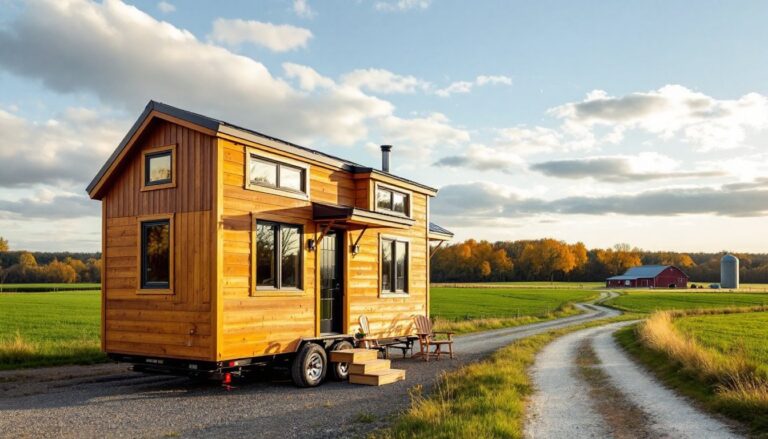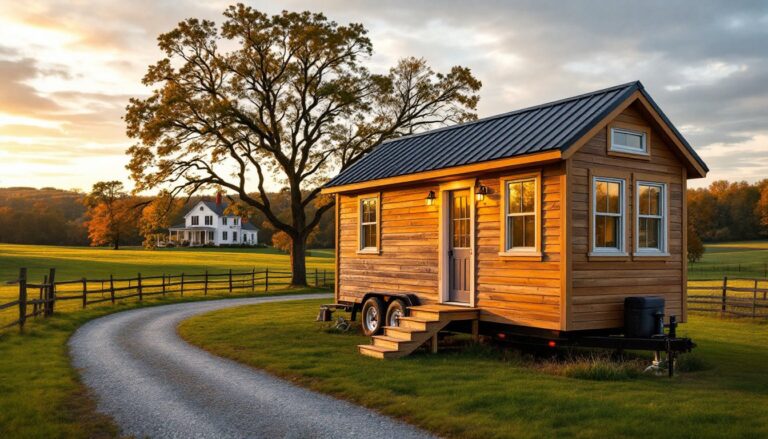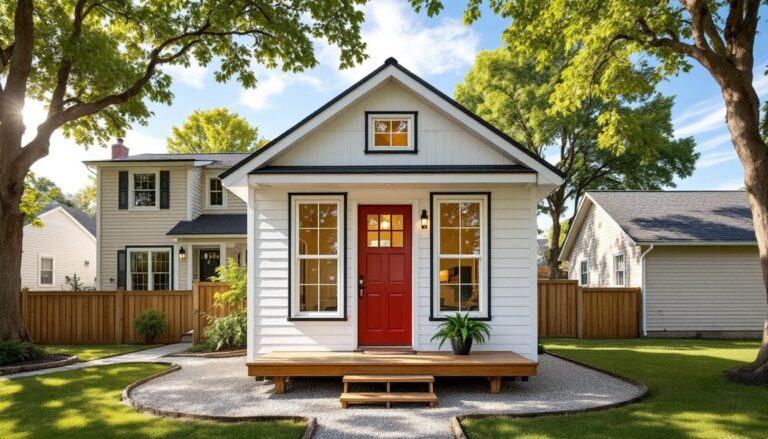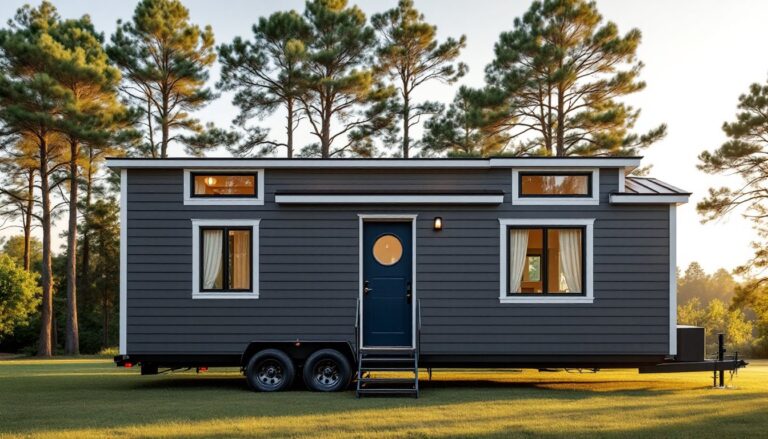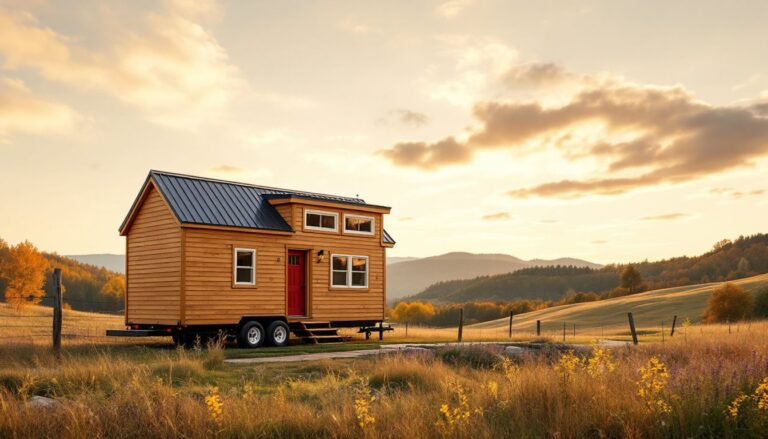
Tiny homes on wheels aren’t just trendy Instagram fodder, they’re a legitimate housing solution for people chasing affordability, mobility, and a simpler way of living. Built on trailers, these compact dwellings let you own a home without being tied to one plot of land. Whether you’re planning to downsize, travel full-time, or dodge skyrocketing mortgage payments, understanding what’s actually for sale (and what pitfalls to avoid) matters before you hand over your cash.
Table of Contents
ToggleKey Takeaways
- Tiny homes for sale on wheels offer an affordable housing solution ranging from $30,000–$150,000, dramatically lower than the median U.S. home price of $420,000.
- Before purchasing, verify local zoning laws with your planning department since most jurisdictions classify tiny homes on wheels as temporary structures with strict parking restrictions.
- Choose between custom-built models (maximum flexibility, 12–18 month lead time, $400–$600 per square foot) or prefab options (consistent quality, faster delivery, $250–$400 per square foot) based on your timeline and budget.
- Financing tiny homes on wheels requires chattel loans or RV financing rather than traditional mortgages, with interest rates typically ranging from 7–12% and terms limited to 7–15 years.
- Inspect the trailer foundation, framing, electrical system (30-amp or 50-amp shore power), and insulation quality before purchasing, and plan for specialty insurance ($600–$1,200 annually) since standard homeowners policies won’t cover mobile tiny homes.
- Evaluate your ability to tow: most tiny homes require a one-ton pickup truck with a 15,000+ lbs towing capacity and may trigger CDL requirements depending on combined weight.
What Are Tiny Homes on Wheels and Why They’re Gaining Popularity
A tiny home on wheels (THOW) is exactly what it sounds like: a small house built on a trailer chassis, typically ranging from 100 to 400 square feet. Unlike RVs, which are classified as recreational vehicles, most THOWs are built to resemble traditional homes, real siding, pitched roofs, residential windows, and full kitchens.
Why the surge in demand? Three big reasons. First, affordability: the median U.S. home price in 2026 hovers around $420,000, while a THOW can cost anywhere from $30,000 to $150,000 depending on finishes and size. Second, mobility: job change, scenery fatigue, or family needs? Hitch up and move. Third, minimalism: forced downsizing cuts clutter, utility bills, and maintenance headaches.
That said, they’re not RVs in disguise. Most THOWs aren’t certified by the Recreational Vehicle Industry Association (RVIA), which affects insurance, financing, and where you can legally park them. If you’re buying one, know the difference upfront.
Types of Tiny Homes on Wheels Available Today
Not all THOWs are created equal. You’ll encounter three main categories: custom-built, pre-fabricated (prefab), and DIY shell models. Custom builds let you spec everything from framing lumber to faucet finishes, but expect 12–18 month lead times and higher costs. Prefab models are built in a factory, shipped to you, and ready to occupy in weeks, great if you want to skip the design phase.
DIY shell models give you a weatherproof structure (walls, roof, windows) but leave interior finishes to you. This option suits handy buyers who want to save $20,000–$40,000 in labor but have the skills and time to install plumbing, electrical, and cabinetry themselves.
Custom-Built vs. Pre-Fabricated Models
Custom-built homes offer maximum flexibility. You choose everything: floor plan, insulation type (spray foam vs. mineral wool), wall thickness, loft height, and even trailer axle count. Builders like those specializing in converted school buses deliver unique designs but charge premium rates, often $400–$600 per square foot.
Prefab models streamline the process. Manufacturers offer a handful of floor plans with limited customization (cabinet color, countertop material, appliance upgrades). Pricing is more predictable, usually $250–$400 per square foot, and build quality is consistent since they’re assembled in controlled factory conditions. The tradeoff? Less personalization and potential shipping costs if the factory is across the country.
What to Look for When Buying a Tiny Home on Wheels
Start with the trailer. It’s the foundation of the entire structure. Look for a triple-axle trailer rated for the home’s finished weight, most THOWs weigh 10,000–14,000 lbs fully loaded. The trailer should have electric brakes, a safety chain system, and a GVWR (Gross Vehicle Weight Rating) sticker. Rust, bent frames, or sketchy welds are deal-breakers.
Next, check the framing. Walls should be framed with 2×4 or 2×6 studs on 16-inch centers, same as conventional homes. Roof trusses or rafters must be engineered to handle snow loads and wind, especially if you plan to park in variable climates. Some builders use metal studs to save weight, fine, but verify proper insulation and vapor barriers.
Inspect electrical and plumbing closely. Most THOWs run on 30-amp or 50-amp shore power (same as RVs), but some have full residential 200-amp panels if designed for permanent placement. Plumbing should use PEX or CPVC (flexible, freeze-resistant), and grey/black water tanks must be accessible for dumping. If the home includes a composting toilet, make sure you’re comfortable with the maintenance.
Finally, verify insulation and climate control. Spray foam insulation (closed-cell) provides the best R-value per inch and air sealing, crucial in a small space. Cheaper builds use fiberglass batts, which settle and leave gaps. For heating and cooling, a mini-split heat pump is standard, efficient, quiet, and doesn’t eat up floor space like a furnace would.
Where to Find Tiny Homes for Sale on Wheels
Start with dedicated tiny home builders. Companies like New Frontier, Tumbleweed, and Mint Tiny Homes maintain inventories of spec homes for immediate sale. You’ll pay a premium, but you can tour models in person and drive away in weeks.
Online marketplaces are the Wild West. Sites like Tiny House Listings, Facebook Marketplace, and even Craigslist host hundreds of THOWs, but buyer beware, no quality control, and you’re gambling on DIY craftsmanship. Always inspect in person, bring a contractor friend, and request build photos or receipts for materials.
For those seeking high-end finishes, platforms like Dwell occasionally feature luxury tiny homes with architect-designed layouts and premium materials. Expect to pay $100,000–$200,000, but you’re buying turnkey design and durability.
Local builders and custom fabricators offer another route. Search for tiny home builders in your region, many operate out of rural workshops and welcome on-site visits. Regional builders understand local codes and can design for your climate, whether that’s hurricane anchors in Florida or extra insulation in Montana.
Price Ranges and Financing Options for Mobile Tiny Homes
Budget $30,000–$60,000 for a basic, no-frills THOW: standard finishes, minimal insulation, basic appliances. Mid-range models ($60,000–$100,000) include upgraded cabinetry, better insulation, quality flooring (real hardwood or LVP), and functional lofts. High-end builds ($100,000–$150,000+) feature custom millwork, solar panels, lithium battery banks, and premium fixtures.
Financing is tricky. Traditional mortgages don’t apply since THOWs are movable property, not real estate. Some buyers use personal loans (rates around 7–12% in 2026), RV loans (if the home is RVIA-certified), or chattel loans specifically for manufactured housing. A few lenders like LightStream and Camping World offer financing for non-certified tiny homes, but expect higher interest rates and shorter terms (7–15 years max).
If you’re handy, consider buying a DIY shell and finishing it yourself. You’ll slash labor costs but need cash or a home improvement loan to fund materials. Budgeting $15,000–$30,000 for DIY interiors is realistic if you’re doing your own electrical and plumbing (though permits and inspections still apply).
Zoning, Parking, and Legal Considerations Before You Buy
Here’s where dreams hit red tape. Most U.S. municipalities classify THOWs as RVs or temporary structures, not permanent dwellings. That means you can’t legally park one on a vacant lot and call it home in many jurisdictions without jumping through hoops, variances, conditional use permits, or parking it in an RV park.
Some cities and counties have embraced tiny home villages or ADU (accessory dwelling unit) ordinances that allow THOWs on private property, but it’s patchwork. Before you buy, call your local planning department and ask explicitly: “Can I park a tiny home on wheels on residential property?” Don’t rely on forums or outdated blog posts.
If you’re planning to move your THOW regularly, verify towing requirements for your truck. A one-ton dually pickup with a tow rating of 15,000+ lbs is the safe bet for most THOWs. You’ll also need a Class IV or V hitch, trailer brake controller, and potentially a CDL (commercial driver’s license) if the combined weight exceeds your state’s threshold (varies, but often 26,001 lbs).
Insurance is another gray area. Standard homeowners policies won’t cover a THOW. RV insurance works if the home is RVIA-certified: otherwise, look for specialty tiny home insurance providers. Coverage typically runs $600–$1,200 annually depending on value and location.
Utilities matter too. If you’re parking long-term, you’ll need access to water hookups, sewer or septic, and 30/50-amp electrical service. Off-grid setups (solar, composting toilets, rainwater collection) are possible but add $10,000–$25,000 upfront and require maintenance skills most suburbanites don’t have.