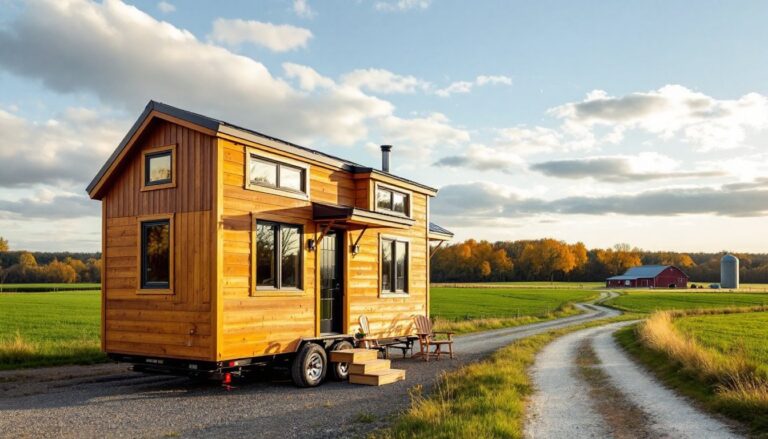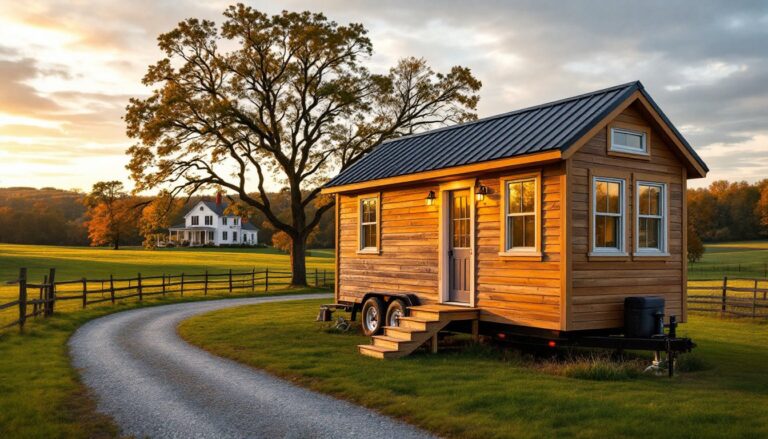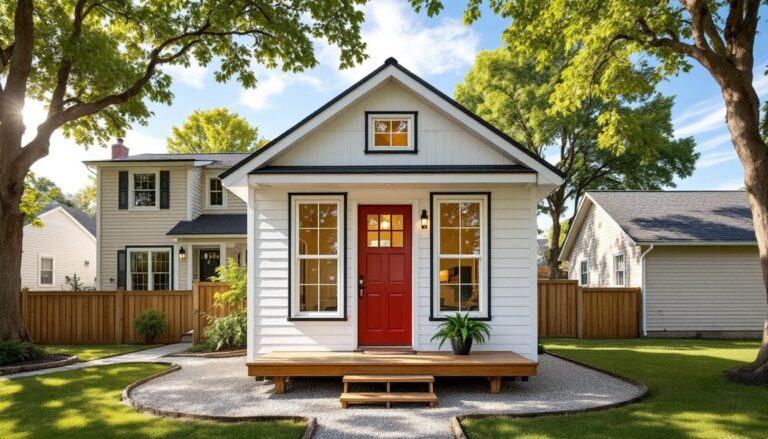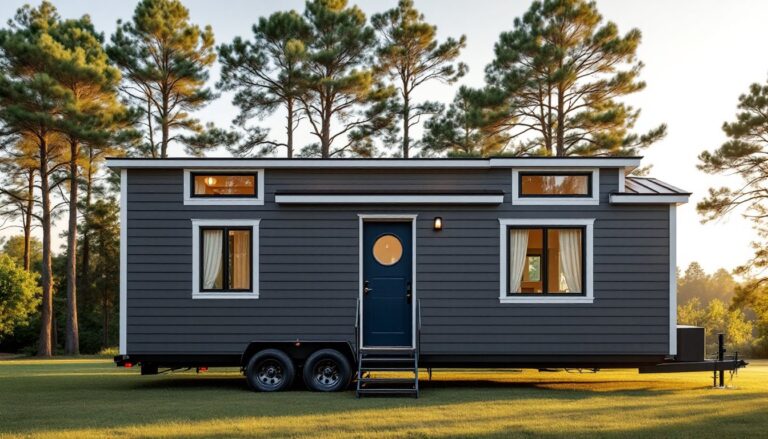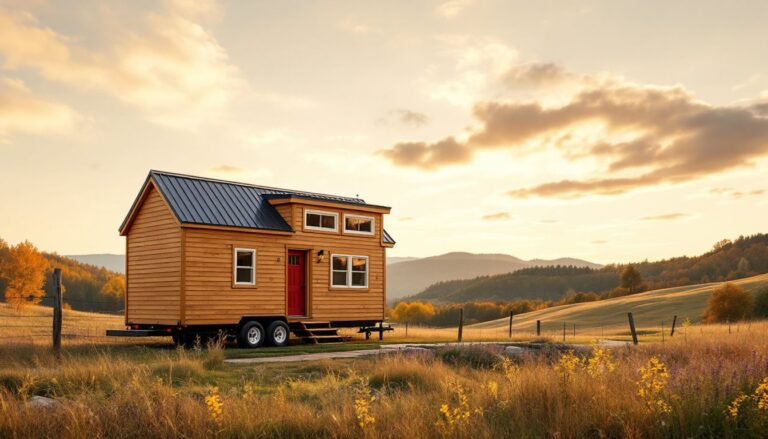
The tiny house movement has evolved fast, and nowhere is that more obvious than in the market for homes on wheels. These aren’t just scaled-down cabins, they’re fully mobile dwellings designed to move without falling apart. Whether someone’s chasing lower housing costs, planning for retirement travel, or ditching the mortgage treadmill altogether, buying a tiny house on wheels requires assignments. The options have grown, the builders have gotten savvier, and zoning enforcement has become more inconsistent. This guide walks through what makes these structures different, where to find them, and what to scrutinize before signing anything.
Table of Contents
ToggleKey Takeaways
- Tiny houses on wheels for sale are built on trailer frames with specific weight ratings and structural requirements that differ significantly from traditional tiny homes or RVs.
- Pricing for tiny houses on wheels ranges from $30,000 for DIY builds to $120,000+ for custom models, with specialty dealers offering warranties and financing but at a 15–30% premium.
- Financing and insurance for tiny houses on wheels present unique challenges: RV loans carry higher interest rates (5–9%), and specialized insurance costs $600–$1,200 annually since standard homeowners policies won’t cover mobile dwellings.
- Hidden costs beyond the purchase price include delivery fees ($2–$5 per mile), utility hookups ($1,000–$10,000 for electric), a compatible tow vehicle ($30,000+), and specialized equipment like brake controllers and weight-distributing hitches.
- Zoning regulations for tiny houses on wheels vary dramatically by jurisdiction; verify local requirements with planning departments before buying, as some municipalities restrict full-time habitation or require permanent foundations.
- Location significantly impacts both cost and feasibility—rural markets offer lower base prices but higher delivery costs, while RV parks and tiny house communities provide straightforward placement options at $300–$800 monthly lot fees.
What Makes Tiny Houses on Wheels Different from Traditional Tiny Homes?
The key difference is the chassis. A tiny house on wheels (THOW) is built on a trailer frame designed to be towed. That frame isn’t temporary scaffolding, it’s a permanent foundation that determines weight limits, road legality, and structural integrity.
Most THOWs are built on tandem-axle or triple-axle trailers rated for 10,000 to 14,000 pounds GVWR (Gross Vehicle Weight Rating). The trailer becomes part of the home, so its quality matters. Look for welded steel frames with treated cross-members and rust-resistant coatings. Cheap trailers sag, warp, and fail inspections.
Because they’re mobile, THOWs fall into a regulatory gray zone. They’re not RVs, those must meet RVIA (Recreational Vehicle Industry Association) standards for plumbing, electrical, and ventilation. THOWs typically follow IRC (International Residential Code) guidelines for framing and insulation but aren’t classified as permanent dwellings in most jurisdictions. This creates headaches for financing and insurance.
Traditional tiny homes on permanent foundations can tap into municipal utilities and qualify for conventional mortgages. THOWs usually require off-grid systems or temporary hookups, and financing often comes through RV loans or personal loans with higher interest rates.
Weight distribution is critical. A poorly balanced THOW fishtails at highway speeds or overloads the tongue weight, making it dangerous to tow. Builders should place heavy items (water heaters, appliances, loft framing) over the axles, not at the ends. Expect a dry weight between 8,000 and 12,000 pounds for a typical 20- to 24-foot model.
Where to Find Tiny Houses on Wheels for Sale
Online Marketplaces and Specialty Dealers
The most visible option is national marketplaces like Tiny House Listings, Tiny Home Builders, and Facebook groups dedicated to tiny living. These platforms aggregate listings from private sellers, builders, and dealers. Prices range wildly, $30,000 for a basic DIY build to $120,000+ for turnkey custom models with premium finishes.
When browsing online, verify the seller’s credibility. Ask for the trailer’s VIN, proof of ownership, and photos of the build process. Scams do happen, especially with “delivery-ready” units that don’t exist. If possible, inspect in person or hire a third-party inspector who understands THOW construction.
Specialty dealers like Tumbleweed Tiny House Company and Tiny Heirloom offer warranties, financing options, and delivery services. Expect to pay a premium, 15% to 30% over independent builders, but the tradeoff is accountability. Dealers also handle title transfers and can provide documentation for insurance.
Another source is the used market. THOWs depreciate slower than RVs but faster than traditional homes. A three-year-old model in good condition might sell for 70% to 80% of its original price. Check for water damage, frame rust, and tire condition. Tires degrade even when stationary: if they’re more than five years old (check the DOT date code on the sidewall), budget for replacements at $150–$250 per tire.
Some buyers find deals at tiny house festivals or expos, where builders showcase models and negotiate discounts. These events also offer a chance to compare construction quality side-by-side. The craftsmanship differences between a school bus conversion and a purpose-built THOW become obvious when you’re standing inside both.
Custom Builders vs. Ready-Made Models
Custom builds offer exactly what someone wants, layout, finishes, appliances, and systems tailored to specific needs. But they require patience and active involvement. Lead times stretch from four to twelve months, depending on the builder’s backlog and complexity. Expect to make dozens of decisions: insulation type (spray foam vs. mineral wool), electrical panel size (50-amp vs. 100-amp service), window brands, and loft headroom.
Reputable custom builders provide itemized contracts, progress photos, and change-order documentation. Be wary of anyone who won’t put the scope in writing or demands large up-front deposits (more than 25% is a red flag). Some builders specialize in off-grid systems with composting toilets, rainwater catchment, and solar panel arrays, while others focus on luxury finishes with full-size appliances and hardwood cabinetry.
Ready-made models are faster but less flexible. Builders like Escape Traveler and Rocky Mountain Tiny Houses offer 3–5 floor plans with standard features and a few upgrade options. You might wait six to sixteen weeks for delivery, not months. Pricing is transparent, and many ready-made builders provide turnkey setups including appliance installation and utility hookups.
The downside? Limited customization. If the standard layout puts the kitchen on the wrong end or the loft stairs don’t fit your mobility needs, you’re out of luck. Some builders allow minor tweaks (cabinet colors, countertop materials), but major structural changes push you into the custom realm.
Financing differs too. Custom builds often require construction loans or builder financing plans. Ready-made models may qualify for RV loans through credit unions or specialized lenders, with terms of 10 to 15 years and interest rates between 5% and 9%, depending on credit.
What to Consider Before Buying a Tiny House on Wheels
Budget, Financing, and Hidden Costs
The sticker price is just the start. Factor in delivery fees, which can run $2–$5 per mile for distances over 100 miles. If the THOW is oversized (wider than 8.5 feet or taller than 13.5 feet), expect pilot car fees and possible route restrictions.
Insurance is tricky. Standard homeowners policies won’t cover a THOW, and RV insurance may deny coverage if it’s used as a primary residence. Specialized tiny house insurance exists, with annual premiums around $600–$1,200 for liability and property coverage. Some insurers require the unit to meet certain standards (RVIA certification or third-party inspection reports).
Utility hookups add cost if they’re not already available. Running electric service to a rural parcel can cost $1,000–$10,000 depending on distance from the grid. Septic or composting toilet systems, freshwater tanks, and propane for heating and cooking all require upfront investment and ongoing maintenance.
Don’t overlook the tow vehicle. A THOW weighing 10,000 pounds needs a truck rated for at least 12,000–14,000 pounds towing capacity, typically a 3/4-ton or 1-ton pickup. If that’s not already in the driveway, add $30,000+ for a used truck in decent shape. Towing a tiny house isn’t a weekend errand: it requires a brake controller, weight-distributing hitch, and confidence handling a 24-foot trailer on the highway.
Regional tiny home markets like Missouri or Louisville, KY may offer lower base prices but fewer local builders, meaning higher delivery costs. Coastal markets like Pensacola often see hurricane-rated construction options, which add expense but provide essential wind and moisture protection.
Zoning Laws and Parking Regulations
This is where the dream hits bureaucracy. Most municipalities don’t have clear rules for THOWs. Some classify them as RVs and restrict full-time habitation to licensed RV parks. Others treat them as accessory dwelling units (ADUs), which may require a permanent foundation, minimum square footage, or connection to municipal sewer.
Start by calling the local planning department. Ask specifically about:
- Minimum dwelling size requirements (some jurisdictions mandate 400+ square feet)
- Foundation requirements (wheels might disqualify it as a “dwelling”)
- Utility connection mandates (some areas require grid hookups, prohibiting off-grid living)
- Setback and lot coverage rules (even if allowed, placement restrictions may apply)
Rural areas with fewer regulations sound appealing, but verify water rights, septic permits, and building codes. Some counties require any structure used as a residence to pass inspections, even if it’s on wheels.
Private land offers more flexibility, but neighbors and homeowners associations (HOAs) can complicate things. An HOA may ban “recreational vehicles” in residential zones, and a THOW often falls into that category legally.
RV parks and tiny house communities are the most straightforward options. Monthly lot fees range from $300 to $800, covering water, electric, and sometimes internet. Trade-offs include less privacy, community rules, and potential restrictions on modifications or long-term stays.
According to real estate and design coverage from Curbed, zoning enforcement has increased as THOWs become more common, with some cities creating specific tiny house ordinances while others crack down on unpermitted dwellings. As tiny house construction techniques evolve, highlighted in resources like Fine Homebuilding, the gap between professional-grade builds and DIY projects widens, affecting resale value and compliance.
Some buyers document their search and decision process online, similar to home renovation stories featured on Young House Love, offering transparency about the real costs and regulatory hoops involved.