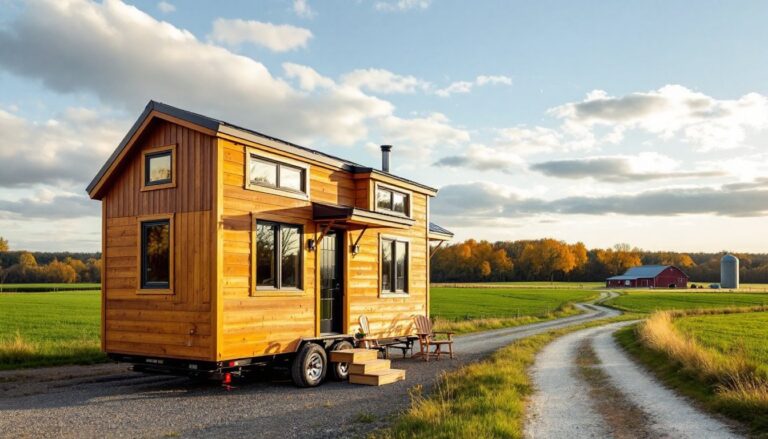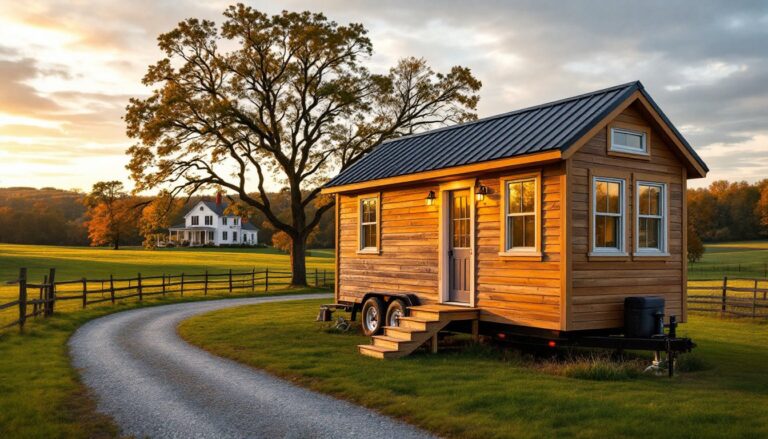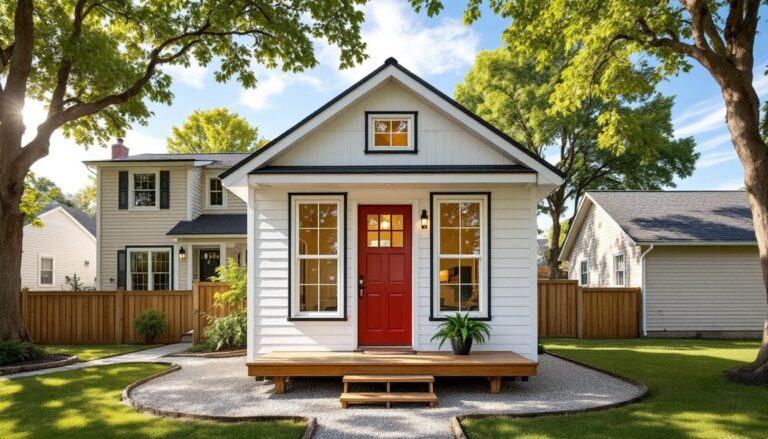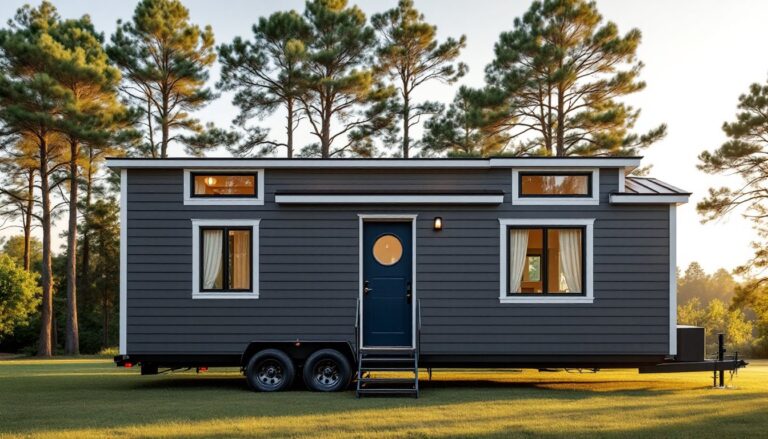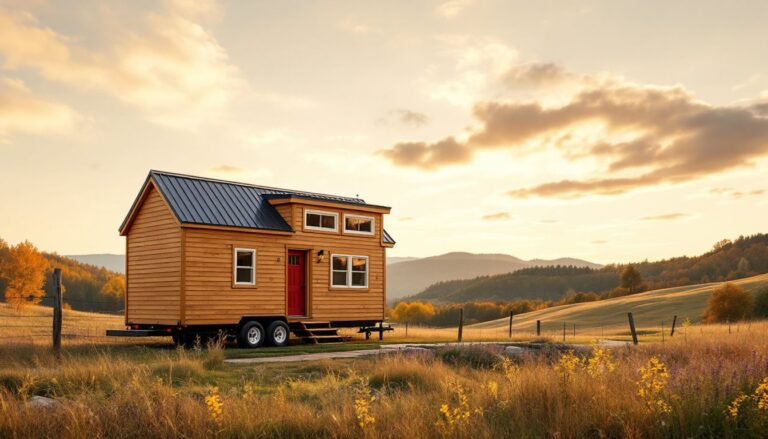
The tiny home movement isn’t slowing down, it’s getting more accessible. With housing costs spiraling and minimalist living gaining traction, tiny homes under $20,000 represent a legitimate path to homeownership for buyers who’ve been priced out of traditional markets. Whether it’s a prefab shell, a DIY kit, or a strategic self-build, sub-$20K options exist, but they require realistic expectations and careful budgeting. This guide walks through what’s available, what to expect, and how to avoid the hidden costs that catch first-time tiny home buyers off guard.
Table of Contents
ToggleKey Takeaways
- Tiny homes under $20,000 offer an accessible path to homeownership, with prefab shells, kits, and DIY builds ranging from $8,000–$18,000 depending on construction method and finish level.
- Hidden costs such as land, utilities, hookups, appliances, and permits can add $5,000–$10,000 to your initial budget, bringing total investment closer to $25,000–$30,000.
- DIY builders can save significantly using reclaimed materials from salvage yards and Habitat for Humanity ReStores, which offer fixtures and materials at 50–80% off retail prices.
- Traditional mortgages rarely work for tiny homes on wheels; instead, explore personal loans (7–12% APR), RV loans (5–8% APR), or home equity lines of credit for financing.
- Most buyers can save $20,000 in 18–24 months through automated monthly transfers of $800–$1,000 and side gigs, making homeownership in this price range achievable within a reasonable timeframe.
- Budget-friendly tiny homes typically deliver 100–200 sq ft of living space with basic composting toilets, 2-burner cooktops, and RV-style utilities; durability depends heavily on construction quality and moisture barriers.
Why tiny homes under $20,000 are gaining popularity
The appeal goes beyond trendy Instagram feeds. Traditional starter homes now average well over $250,000 in most metro areas, and even modest apartments demand $1,500+ monthly rents. A tiny home under $20,000 offers an escape hatch: minimal or zero mortgage debt, drastically lower utility bills, and the flexibility to relocate if land opportunities shift.
Younger buyers, particularly remote workers and tradespeople, are drawn to the freedom. A $20K tiny home can sit on leased land, family property, or even rural tiny home communities that welcome micro-dwellings. Property taxes on the structure itself (when classified as personal property rather than real estate) often run hundreds instead of thousands annually.
Environmental considerations matter too. Smaller footprints mean less material waste during construction and lower ongoing energy consumption. Many budget builds incorporate salvaged materials and solar-ready designs, aligning affordability with sustainability. Small space living has proven that intentional design can maximize comfort without excess square footage.
Finally, the barrier to entry is achievable. A motivated buyer with decent credit can save $20,000 in 18–24 months through disciplined budgeting, a timeline that feels tangible compared to the decade-plus grind toward a conventional down payment.
Types of tiny homes you can buy for under $20,000
Prefab and kit tiny homes
Prefab shells and kit homes dominate the sub-$20K market. These packages typically include framing materials, exterior sheathing, roofing, windows, and doors, essentially a weather-tight shell. Interior finishes (insulation, drywall, plumbing, electrical) are left to the buyer.
Prefab shells arrive as panelized sections or modular units. Expect an 8×20-foot shell (160 square feet) in the $12,000–$18,000 range, delivered on a trailer chassis. Reputable manufacturers use 2×4 wall studs on 16-inch centers and metal roofing rated for 30+ years. Windows are usually dual-pane vinyl, though some budget kits cut corners with single-pane units, verify specs before ordering.
Kit homes ship as pre-cut lumber bundles with hardware and plans. They’re cheaper (sometimes $8,000–$14,000) but demand solid carpentry skills and 200+ hours of assembly time. You’ll need a helper for wall-raising and roof framing: this isn’t a solo job. Kits often exclude the trailer, which adds $3,000–$5,000 if you need road-mobility.
Both options work well for buyers with construction experience. If you’ve framed a shed or remodeled a bathroom, you can handle the finish work. If terms like “top plate” and “rim joist” are unfamiliar, budget for contractor assistance on critical systems.
DIY tiny home builds
Building from scratch offers maximum control and the lowest material cost, if you have the skill set. A basic 10×16-foot structure (160 square feet) built with standard lumber, reclaimed windows, and budget finishes can land around $10,000–$15,000 in materials.
Start with a trailer chassis rated for your build weight (typically 7,000–10,000 GVWR for a tiny home). New tandem-axle trailers run $4,000–$5,500. Used options exist but require thorough inspection for frame rust and axle integrity.
Framing uses 2×4 or 2×6 studs (actual dimensions 1.5×3.5 or 1.5×5.5 inches). Budget about $600–$900 for wall and roof framing on a 160-square-foot build. Structural insulated panels (SIPs) speed assembly and improve insulation but push costs toward the $20K ceiling.
Reclaimed materials slash budgets. Salvage yards stock windows ($25–$100 each), barn wood for siding, and gently used metal roofing. Just inspect carefully, warped framing lumber or cracked window seals create headaches later.
DIY builds require basic tools: circular saw, drill/driver, framing square, level, tape measure, and sawhorses. A miter saw improves trim work but isn’t essential. Plan for 300–500 labor hours spread over 3–6 months of weekend work.
Permit requirements vary widely. Some jurisdictions classify tiny homes on wheels as RVs (no building permit needed), while others enforce full IRC codes, requiring licensed electricians and inspections. Check local zoning before cutting the first board. Many tiny home builders navigate these rules by registering structures as recreational vehicles.
What to expect in a sub-$20K tiny home
Set realistic expectations: a $20,000 budget delivers basic shelter, not luxury finishes. Typical specs include:
- Square footage: 100–200 sq ft of living space, plus a sleeping loft accessed by ladder or steep stairs
- Ceiling height: 6.5–7 feet in the loft, 8–10 feet in the main area (depending on whether it’s built on a trailer)
- Walls: Painted drywall or tongue-and-groove pine: budget builds may use painted OSB
- Flooring: Vinyl plank ($1.50–$3/sq ft) or laminate: hardwood is rare at this price point
- Kitchen: Compact sink, 2-burner cooktop, mini-fridge (often 3–4 cubic feet), and minimal counter space, think 4–6 linear feet
- Bathroom: Composting toilet or RV cassette toilet, corner shower (typically 30×30 inches), small vanity sink
- Utilities: 30-amp RV electrical hookup or basic 120V wiring: on-demand propane water heater: no central HVAC (budget for a mini-split or window AC unit separately)
Insulation varies. Quality kits include R-13 fiberglass batts in walls and R-30 in the roof, adequate for three-season use in temperate climates. Year-round comfort in cold regions demands spray foam or rigid foam board, which inflates costs.
Storage is minimal. Expect open shelving, under-bed drawers, and maybe one closet. Budget-friendly design strategies like fold-down tables and murphy beds maximize usable space.
Durability hinges on construction quality. A properly built shell with moisture barriers and metal roofing should last 20+ years with routine maintenance. Rushed DIY builds or low-grade materials can fail within 5–10 years, especially if exposed to weather extremes.
Hidden costs and expenses to budget for
The sticker price is just the starting point. Hidden costs often push total investment to $25,000–$30,000. Budget for:
Land and site prep ($2,000–$8,000+)
You need somewhere to park it. Options include leasing a pad in an RV park ($300–$600/month), renting private land ($150–$400/month), or purchasing a small lot. Site prep may require gravel leveling, utility hookups, and septic or sewer connections. Even “off-grid” setups need well or water delivery access.
Utilities and hookups ($1,500–$5,000)
Electrical: Running power from a main panel to your tiny home costs $800–$2,000 depending on distance and local rates. Off-grid solar (adequate for lights, laptop, mini-fridge) starts around $3,000 for a basic 1,200W system.
Water: Hooking into municipal water runs $500–$1,500: drilling a shallow well starts at $3,000. Many budget builders haul water in 5-gallon jugs initially.
Sewage: RV dump station access works temporarily. Permanent solutions, septic tank or sewer tap, cost $2,000–$6,000.
Appliances and fixtures ($1,000–$3,000)
Basic kits exclude refrigerators, cooktops, toilets, and shower fixtures. Budget:
- Composting toilet: $900–$1,200
- Two-burner propane cooktop: $100–$250
- Mini-fridge (3.5–4.5 cu ft): $150–$300
- RV shower kit with pan and valve: $200–$400
Insulation and finish materials ($800–$2,500)
If your kit is a bare shell, add drywall ($12–$18 per 4×8 sheet), paint ($30–$50/gallon, coverage ~400 sq ft), flooring ($150–$400 total), and trim.
Tools and equipment ($300–$1,500)
First-time DIYers often need drills, saws, ladders, and safety gear. Rent specialty tools (like a pneumatic nailer or table saw) rather than buying.
Permits and inspections ($100–$1,000+)
Even when classified as an RV, some jurisdictions charge fees for habitation permits or electrical inspections. Zoning variances (if required) can add legal and application costs.
Transportation and delivery ($500–$2,000)
Prefab shells ship via flatbed: delivery within 200 miles averages $800–$1,200. Longer hauls or remote sites increase fees. If you’re towing your own build, ensure your vehicle has adequate towing capacity (often 8,000+ lbs for a finished tiny home).
Many regional markets have specific cost factors, urban areas often see higher permit and hookup fees, while rural zones may save on land but add hauling and well costs.
Tips for financing and saving on your tiny home purchase
Traditional mortgages rarely cover tiny homes, especially those on wheels. Explore these alternatives:
Personal loans ($10,000–$25,000)
Credit unions and online lenders offer unsecured personal loans at 7–12% APR (depending on credit score). Terms run 3–7 years. Monthly payments on a $20,000 loan at 9% over 5 years run about $415.
RV loans
If your tiny home is RVIA-certified or built on a titled trailer, RV lenders may finance it. Rates (5–8% APR) beat personal loans, and terms stretch to 10–15 years, lowering monthly costs. Requires the home to meet RV safety and construction standards.
Home equity or HELOC
If you (or family) own property with equity, a home equity line of credit offers low rates (currently 7–9%) and flexible draw periods. Risk: the primary home secures the loan.
Savings strategies
Many buyers save $20K in 18–24 months through aggressive budgeting:
- Automate transfers of $800–$1,000/month into a high-yield savings account (currently ~4.5% APY)
- Sell unused vehicles, tools, or household items (garage sales and Facebook Marketplace can net $2,000–$5,000)
- Pick up side gigs (weekend carpentry, delivery driving, freelance work)
Material cost-cutting
Buy lumber in bulk during seasonal sales (spring and late summer). Habitat for Humanity ReStores stock cabinets, sinks, and fixtures at 50–80% off retail. Craigslist and salvage yards yield windows, doors, and flooring.
Join local tiny home groups or forums, members often share surplus materials and tool loans. Exploring other tiny home markets can reveal regional cost-saving opportunities and builder networks.
Sweat equity partnerships
Team up with a skilled friend: you provide materials and labor on your build, they get help on theirs later. Cuts costs and accelerates timelines.
Safety note: Whether financing or paying cash, don’t skip liability insurance once the structure is habitable. Tiny home policies (through RV insurers or specialty carriers) run $400–$800/year and cover fire, theft, and storm damage. Some lenders require it as a loan condition.