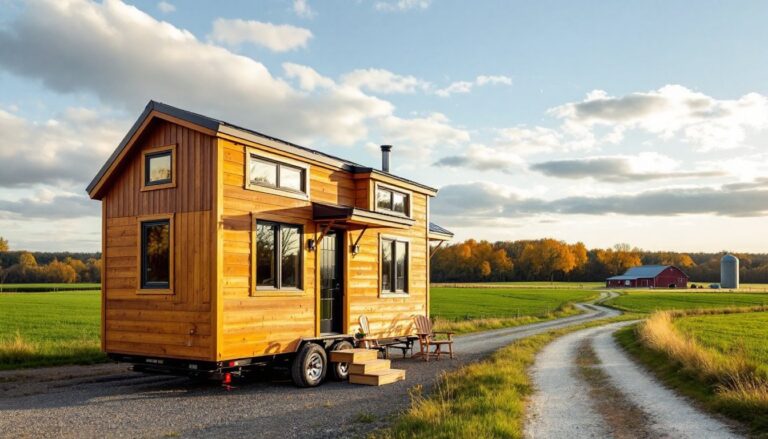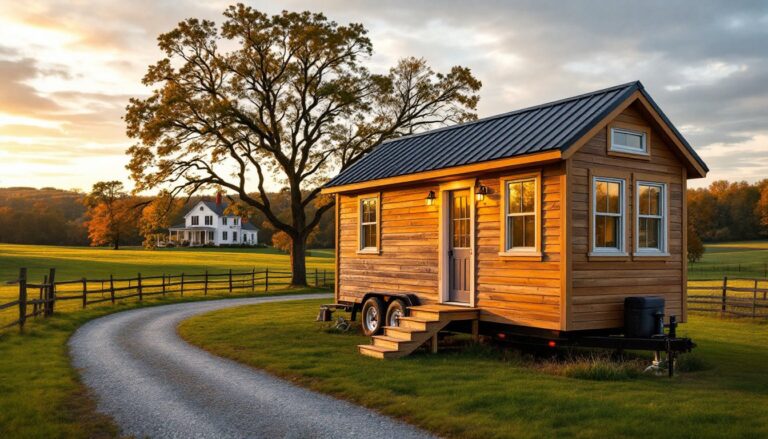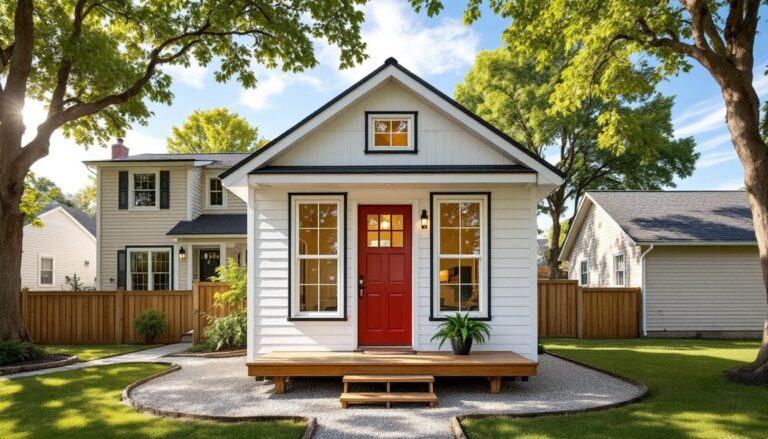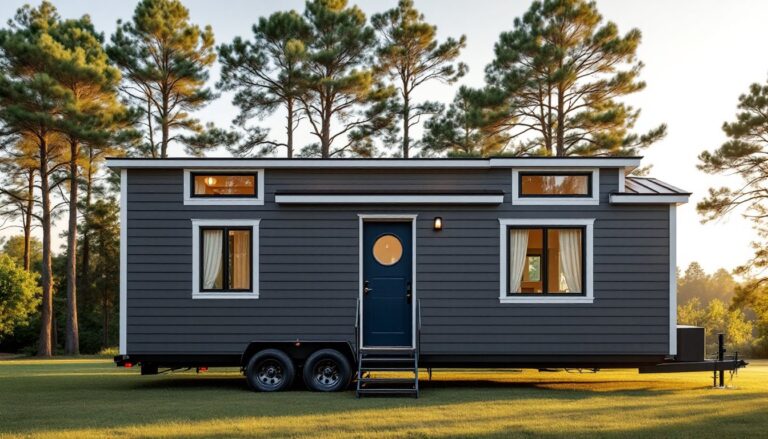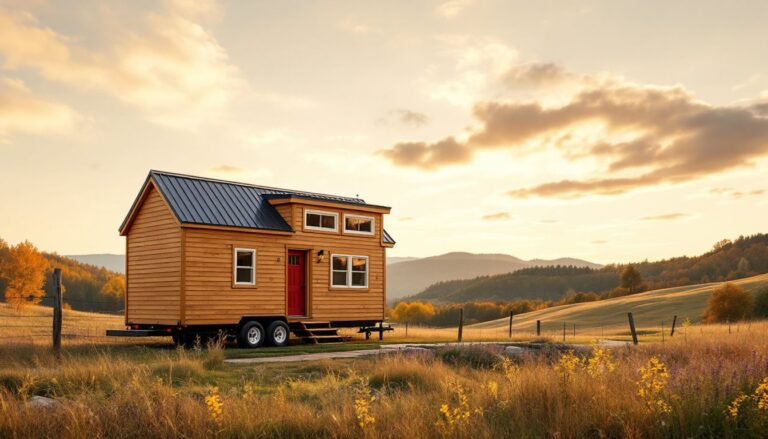
Alabama’s combination of affordable land, mild winters, and a growing tiny home movement makes it an increasingly attractive destination for downsized living. Whether someone’s chasing lower overhead, environmental sustainability, or the freedom to live mortgage-free, the state offers surprising flexibility, but only if they understand the rules. Zoning laws vary wildly by county, building codes can be strict, and not every parcel welcomes a home on wheels. This guide walks through what prospective tiny home owners need to know before making the leap in Alabama.
Table of Contents
ToggleKey Takeaways
- Tiny homes in Alabama benefit from affordable land, mild winters, and lower construction costs, making the state an ideal destination for downsized living.
- Zoning regulations for tiny homes in Alabama vary significantly by county—THOWs face strict restrictions in many areas, while foundation-built homes and ADUs offer easier permitting paths.
- Climate-appropriate design choices like metal roofing, cross-ventilation, proper insulation, and functional porches are essential for managing Alabama’s heat and humidity in tiny spaces.
- Tiny home builds in Alabama range from $30,000–$70,000 for DIY projects to $70,000–$120,000 for turnkey builds, while financing remains challenging due to most banks’ unwillingness to mortgage homes under 600 square feet.
- North Alabama counties like Madison and Huntsville offer the most progressive tiny home regulations and emerging communities, while avoiding heavily incorporated municipalities ensures better zoning compliance.
- Before committing to tiny home living, secure proper insurance, plan for septic system requirements, and rent or tour existing tiny homes to confirm the lifestyle aligns with your needs.
Why Alabama Is Perfect for Tiny Home Living
Alabama ranks among the most affordable states for land acquisition, with rural parcels often priced well below the national average. That affordability extends to property taxes, utility hookups, and construction labor, all critical factors when budgeting for a tiny home.
The state’s climate is another major draw. Winters are short and mild, reducing the need for heavy insulation or complex heating systems. Summers are hot and humid, but a well-ventilated tiny home with a mini-split HVAC system (typically 9,000–12,000 BTU for spaces under 400 square feet) handles the load without draining a solar battery bank. That climate also supports year-round outdoor living, making porches and decks functional extensions of interior square footage.
Alabama’s culture leans rural and independent, which translates to more acceptance of alternative housing in unincorporated areas. Many counties lack the restrictive covenants common in suburban developments, and landowners often have the freedom to place a tiny home without neighborhood association interference. That said, don’t mistake rural freedom for a free-for-all, county health departments and building inspectors still have authority, especially over septic systems and electrical service.
Understanding Alabama’s Tiny Home Regulations and Zoning Laws
Alabama has no statewide tiny home legislation, so regulations default to county and municipal codes. Most jurisdictions classify tiny homes in one of three categories: RVs (recreational vehicles certified by the RVIA), mobile homes (HUD-code manufactured housing), or site-built structures (following the International Residential Code). Each classification triggers different permitting, foundation, and utility requirements.
Tiny homes on wheels (THOWs) certified as RVs face the most restrictions. Many counties prohibit permanent RV residency outside of licensed RV parks, and those parks often cap stay durations at 180 days per year. A few counties, particularly in the northern tier, allow RVs on private land with a temporary-use permit, but that typically requires a primary dwelling already on the property.
Tiny homes built on permanent foundations have an easier path. If the structure meets IRC minimum square footage requirements (which vary but often start at 120–150 square feet for single-story dwellings), it’s treated like any other single-family home. That means standard septic or sewer hookup, electrical inspection to NEC standards, and a certificate of occupancy. Foundation options include monolithic slabs, frost-protected shallow foundations, or pier-and-beam systems using 8×8 treated posts on concrete footings.
Accessory Dwelling Units (ADUs) offer another route. Several Alabama cities, including Birmingham and Huntsville, updated codes to permit ADUs on single-family lots, provided the combined square footage of primary and accessory structures doesn’t exceed lot coverage limits (often 35–40% of total lot area). ADUs must share utilities with the main house and typically can’t be sold separately.
County-Specific Rules and Permit Requirements
Baldwin County requires all dwellings to meet a 600-square-foot minimum unless classified as an ADU, which drops the floor to 400 square feet. Septic permits come from the county health department and require a percolation test before approval, soil in coastal areas often demands mound systems rather than conventional drain fields.
Madison County (home to Huntsville) allows tiny homes on foundations in unincorporated areas with no minimum square footage, but electrical, plumbing, and mechanical permits are mandatory. Inspections follow the 2018 IRC, and the structure must be anchored to resist 90 mph wind loads per local amendments.
Jefferson County treats THOWs as RVs and prohibits permanent placement outside RV parks. Foundation-built tiny homes are permitted but must meet a 400-square-foot minimum in most zoning districts. The county requires a septic system design stamped by a licensed engineer if the lot isn’t served by municipal sewer.
Mobile and surrounding Mobile County have adopted ADU-friendly codes. Tiny homes qualify as ADUs if under 800 square feet, placed behind the primary structure’s front setback line, and connected to existing utilities. Permit fees run $150–$300 depending on valuation.
Always check with the local building official before purchasing land or starting construction. Codes change, and enforcement varies widely between jurisdictions.
Popular Tiny Home Styles and Designs for Alabama’s Climate
Alabama’s heat and humidity demand specific design choices. Metal roofing, preferably in light colors with a high solar reflectance index, drastically cuts cooling loads compared to asphalt shingles. Standing-seam panels shed rain quickly and last 40+ years with minimal maintenance.
Ventilation is non-negotiable. Cross-ventilation via casement or awning windows on opposing walls allows airflow even during rain. A ridge vent or gable-end exhaust fan pulls hot air out of the loft, preventing the upper sleeping area from becoming a sweatbox. Some builders install whole-house fans that pull cool evening air through the structure and exhaust it through the roof, cutting AC runtime significantly.
Insulation should balance thermal performance with moisture management. Closed-cell spray foam (R-6 to R-7 per inch) creates an effective vapor barrier in walls and under metal roofing, but it’s expensive. A more budget-friendly approach uses R-13 fiberglass batts in 2×4 walls with a continuous exterior foam sheathing (1-inch polyiso adds R-6) and a properly detailed air barrier. Avoid fiberglass in floors, use rigid foam board or spray foam to prevent moisture wicking from underneath.
Porches and overhangs aren’t decorative, they’re functional. A 6-to-8-foot covered porch on the south or west side shades windows during peak sun, drops interior temperatures by several degrees, and creates usable outdoor space. Many Alabama tiny home owners treat the porch as a primary living area for 8–9 months of the year.
Designs that embrace luxury tiny homes often incorporate high ceilings, large windows, and premium finishes without sacrificing climate performance. A 10-foot ceiling height in the main living area improves airflow and makes the space feel substantially larger.
Cost Breakdown: Building vs. Buying a Tiny Home in Alabama
Building a tiny home in Alabama typically costs $30,000–$70,000 for a DIY shell or $70,000–$120,000 for a turnkey build, depending on size, finishes, and whether it’s on wheels or a foundation. Those figures assume the owner already has land.
DIY builds on a trailer start with a dual-axle flatbed trailer rated for 10,000–14,000 pounds, running $4,000–$7,000. Framing materials (2×4 studs, engineered floor joists, roof trusses) add another $3,000–$5,000. Windows and exterior doors account for $2,000–$4,000, and metal roofing runs roughly $1.50–$3.00 per square foot installed. A basic electrical package (breaker panel, wiring, outlets, fixtures) costs $1,500–$2,500 if the owner does the rough-in and hires an electrician for final connection and inspection.
Plumbing is simpler in tiny homes. A tankless water heater (electric or propane) runs $400–$800, PEX supply lines cost under $200, and a composting toilet eliminates the need for a black-water holding tank (though it does require occasional maintenance). Budget $1,000–$2,000 for a complete plumbing system if keeping it minimal.
Interior finishes vary wildly. Vinyl plank flooring costs $1–$3 per square foot: reclaimed wood or tile can triple that. Shiplap or tongue-and-groove pine wall paneling adds character and runs $2–$5 per square foot installed. Kitchen cabinets range from $500 for stock IKEA units to $5,000+ for custom-built.
Buying a prefab or completed tiny home offers convenience but at a premium. Builders across the Southeast list Alabama-compliant models from $50,000 to $150,000, depending on square footage and amenities. Delivery fees within Alabama typically add $2–$5 per loaded mile from the builder’s yard.
Foundation costs for site-built tiny homes run $3,000–$8,000. A simple pier-and-beam system using sonotubes and 6×6 treated beams sits at the low end: a full monolithic slab with integrated utilities pushes toward the high end. Don’t forget septic: a conventional system costs $3,000–$6,000, while alternative systems (mound, aerobic treatment) can hit $10,000–$15,000 in areas with poor soil percolation.
Land acquisition is the wild card. Unincorporated lots with electric service nearby range from $5,000 to $50,000 depending on acreage, road access, and proximity to cities. Bringing in power from the road costs $10–$30 per linear foot if the run exceeds a utility company’s free service distance (often 100–300 feet).
Best Locations and Communities for Tiny Homes in Alabama
North Alabama (Madison, Limestone, and Morgan counties) has the most progressive tiny home climate. Huntsville’s tech-driven growth has spurred interest in alternative housing, and several private landowners rent tiny-home-friendly lots with utility hookups for $200–$400 per month. The region’s rolling terrain and proximity to state parks appeal to those seeking rural tiny homes with easy access to urban amenities.
Baldwin County on the Gulf Coast attracts retirees and remote workers. Coastal land is pricier, but unincorporated areas between Foley and Bay Minette offer affordable lots with fewer restrictions. The county’s tourism infrastructure means access to RV parks that accommodate long-term tiny home residents, though those arrangements often come with rules against full-time occupancy.
Shelby County (south of Birmingham) balances suburban convenience with rural zoning flexibility. Several parcels in the southern portions allow tiny homes on foundations without minimum square footage restrictions, and the county’s building department has experience permitting nontraditional structures.
Tiny home communities are emerging but still rare. A handful of private developments near Guntersville and in the Appalachian foothills offer clustered lots with shared amenities (community gardens, workshops, pavilions). Lot leases typically run $300–$600 per month and include water, sewer, and trash service. These setups suit those who want neighbors and shared infrastructure without the sprawl of traditional subdivisions, similar to concepts gaining traction in markets for tiny homes in Raleigh.
Avoid heavily incorporated municipalities unless targeting ADU placement. Cities like Birmingham, Montgomery, and Tuscaloosa enforce strict minimum dwelling sizes and setback requirements that make standalone tiny homes impractical outside ADU provisions.
Essential Considerations Before Making the Move
Insurance is tricky. Standard homeowners policies don’t cover THOWs, and RV insurance often excludes full-time residency. Specialty tiny home insurers exist (look for policies covering both the structure and personal property), but expect premiums 20–40% higher than conventional home insurance. Site-built tiny homes on permanent foundations usually qualify for standard homeowners coverage once they have a certificate of occupancy.
Financing is even trickier. Most banks won’t write mortgages for homes under 600 square feet or structures on wheels. Personal loans, RV loans, or builder financing are common alternatives, but interest rates run 2–5% higher than traditional mortgages. Some buyers fund builds with cash or home equity lines of credit secured by other property.
Resale value is uncertain. The tiny home market in Alabama is young, and finding a buyer can take months. THOWs depreciate like RVs unless exceptionally well-built. Foundation tiny homes hold value better but compete with conventional housing stock, and appraisers struggle with comparables. Design ideas featured on platforms like HGTV have boosted mainstream awareness, but local market acceptance varies.
Utility hookups require planning. Off-grid systems (solar panels, composting toilets, rainwater catchment) sound appealing but demand significant upfront investment and ongoing maintenance. A 3–5 kW solar array with battery storage costs $15,000–$25,000 installed. Most Alabama counties require grid-tied electric service for certificate of occupancy, even if the owner plans to rely primarily on solar.
Septic system requirements can’t be ignored. Even a tiny home generates wastewater, and Alabama health departments don’t allow graywater discharge onto the ground surface. A legal septic system, whether conventional, aerobic, or composting, is mandatory unless connecting to municipal sewer. Budget accordingly and factor in the soil evaluation fee ($200–$500) before purchasing land.
Tool and skill requirements vary. DIY builds demand proficiency with framing, electrical rough-in, plumbing, and finish carpentry. A miter saw, circular saw, drill/driver set, and framing nailer are essentials. Hiring out specialty trades (HVAC, electrical final, plumbing inspection) is smart even on DIY projects, most counties require licensed contractors for permit sign-off on those systems.
PPE matters on every build. Wear safety glasses when cutting, hearing protection when running saws or nailers, work gloves for framing, and a respirator (N95 minimum, P100 for spray foam or sawdust-heavy tasks). Falls are the top jobsite hazard, use proper ladder safety and install temporary guardrails around loft openings during construction.
Consider visiting other tiny homes before committing. Many owners offer tours or short-term rentals. Spending a weekend in 200 square feet reveals whether the lifestyle fits, and it’s a lot cheaper than building first and regretting later. Exploring options in nearby markets, like tiny homes in Pensacola, can provide additional perspective on regional trends. The experience also helps clarify must-haves versus nice-to-haves, critical when every square foot counts and budgets are tight.