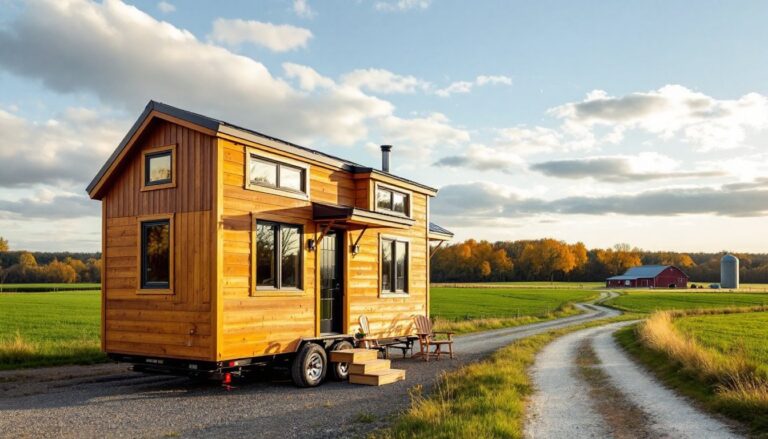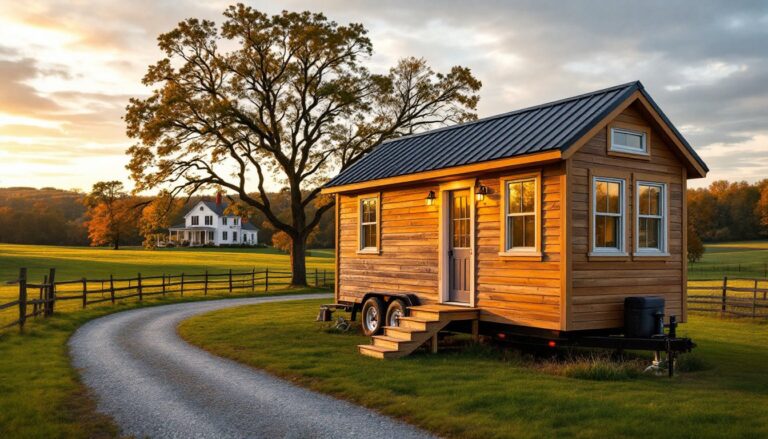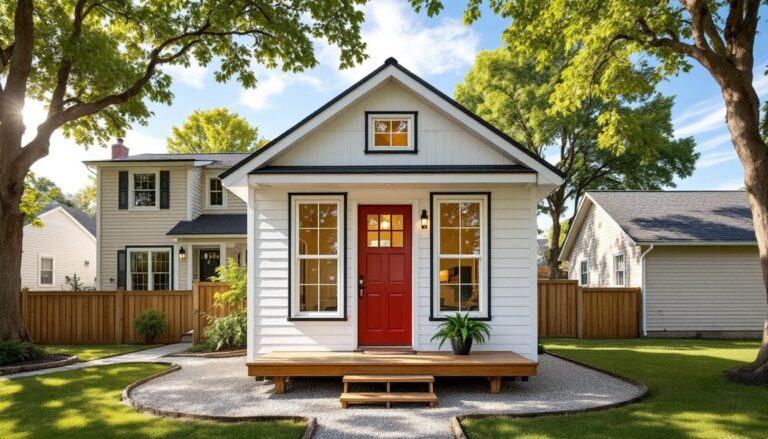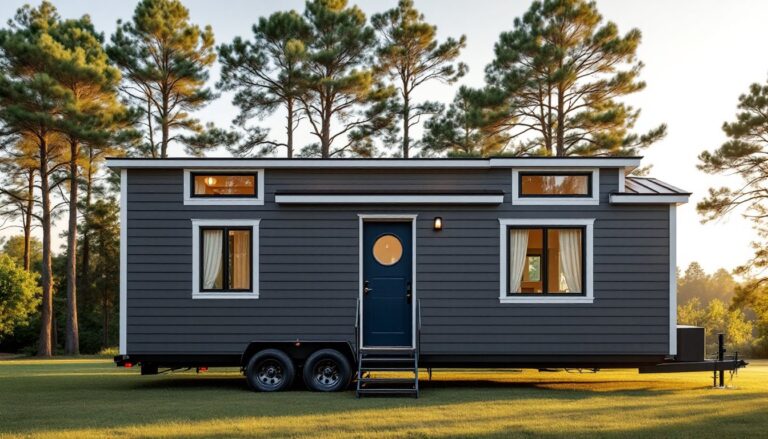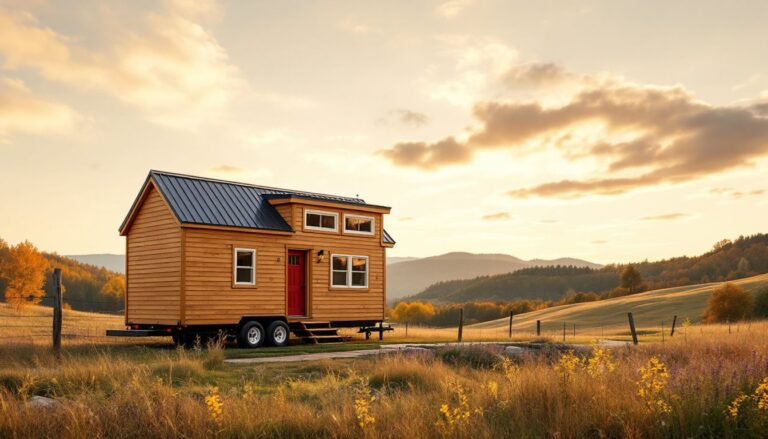
Amazon sells more than books and gadgets, it now offers full-scale tiny houses, delivered right to your property. These aren’t dollhouses or sheds: they’re prefab cabins, expandable container homes, and backyard studios designed for living, working, or renting. Prices range from $5,000 for basic kits to over $50,000 for turnkey units with plumbing and electrical rough-ins. But before clicking “Add to Cart,” buyers need to understand what they’re actually getting, where these structures can legally be placed, and what happens after the delivery truck pulls away.
Table of Contents
ToggleKey Takeaways
- Tiny houses on Amazon range from $5,000 to $50,000+ and come as prefab cabin kits, expandable container homes, or backyard studios that require assembly, foundation prep, and utility connections.
- Before buying, verify local zoning laws, building permits, and HOA restrictions—many jurisdictions prohibit habitable accessory structures, and permit costs can reach $2,000+.
- Foundation preparation, utility hookups, and licensed electrical/plumbing work are buyer responsibilities, adding $1,500–$15,000+ depending on existing infrastructure and soil conditions.
- Delivery logistics require advance planning: arrange heavy equipment (forklift or telehandler) for curbside-only delivery, expect 24–48 hour windows, and document damage immediately for freight claims.
- Assembly varies by type—basic cabin kits take 40–80 hours with standard tools, while expandable containers need precise leveling and professional inspections that can add weeks to your timeline.
- Budget an additional $500–$2,000 for finishing touches like paint, trim, fixtures, and hardware that typically aren’t included in Amazon tiny house listings.
What Are Amazon Tiny Houses and How Do They Work?
Amazon’s tiny house category isn’t a single product type, it’s a mix of prefab cabin kits, steel-framed expandable containers, and modular studios shipped flat-packed or on flatbed trucks. Most units fall between 100 and 400 square feet and arrive as DIY kits or partially assembled structures.
Prefab cabin kits typically include wall panels, roof trusses, flooring, windows, and doors. Buyers handle assembly, foundation prep, and all utilities. These kits often use engineered lumber (OSB sheathing, laminated beams) and require basic carpentry skills. Expect 40–80 hours of assembly time with a helper.
Expandable container homes ship in a collapsed steel frame that unfolds accordion-style. Once expanded, the unit is anchored to a foundation and connected to utilities. Interior finishes, drywall, flooring, cabinetry, are usually pre-installed. These units meet ISO shipping container standards for transport but vary widely in insulation quality and structural reinforcement.
Backyard studios and ADUs (Accessory Dwelling Units) are sold as finished or semi-finished modules. Some arrive with electrical panels, plumbing stubs, and HVAC rough-ins, ready for a licensed electrician and plumber to complete connections. Others are bare shells requiring full build-out.
Most Amazon tiny houses are not certified to HUD standards for manufactured homes, which means they’re treated as site-built structures or temporary buildings depending on local code. Warranty coverage is limited, typically 30 days to one year on materials, with no labor coverage. Read the fine print on structural warranties, especially for steel-framed units prone to rust in humid climates.
Top Tiny House Options Available on Amazon
Prefab Cabin Kits and Expandable Container Homes
Prefab kits dominate Amazon’s tiny house listings, with prices starting around $8,000 for a 100-square-foot shell. These kits typically include:
- Wall panels: OSB or plywood sheathing over 2×4 framing (actual dimensions: 1.5″ x 3.5″)
- Roof trusses: Pre-cut, often with metal roofing panels
- Windows and doors: Single-pane or double-pane, aluminum or vinyl frames
- Fasteners and basic hardware
What’s not included: foundation materials, insulation (in many kits), interior finishes, electrical wiring, plumbing, or HVAC. Buyers need to source those separately.
Expandable container homes, priced $15,000–$50,000, offer more convenience. Models from brands like Yahgoo and Rmjoy unfold to 160–400 square feet and include:
- Pre-installed flooring (vinyl plank or laminate)
- Electrical panels (120V, 15–30 amp service)
- Mini-split HVAC units or prep for window AC
- Bathroom pods with fiberglass shower stalls and tankless water heaters
These units ship on flatbed trucks and require a concrete slab or pier foundation. Setup takes 4–8 hours with a small crew and a forklift or telehandler. Popular models among rural tiny homes enthusiasts often feature solar panel prep and greywater drainage systems.
Backyard Studios and ADU Solutions
Backyard studios marketed as home offices or guest suites run $10,000–$40,000 depending on finishes. These structures often have 8-foot ceilings (compared to 7-foot ceilings in many RVs) and include:
- Insulated wall panels: R-13 to R-19 fiberglass batts
- Electrical rough-in: Outlets, switches, and breaker panel
- Plumbing stubs: If advertised as ADU-ready
- Egress windows: Meeting IRC requirements for emergency escape
Units intended as ADUs must meet local building codes for habitable space, which typically require:
- Minimum 70 square feet per room with at least one room ≥120 sq ft (IRC R304)
- Ceiling height ≥7 feet for at least 50% of floor area
- Egress windows with ≥5.7 sq ft opening, ≥24″ high, ≥20″ wide, and sill ≤44″ above floor (IRC R310)
Some sellers on Amazon claim their units are “ADU-compliant,” but compliance depends on jurisdiction. Verify with your local building department. Many backyard studios work great as workshops, art studios, or storage, but don’t automatically qualify as legal living space. If you’re planning a tiny house porch addition or outdoor space, check load-bearing capacity and anchor points before modifying the structure.
What to Consider Before Buying a Tiny House on Amazon
Zoning Laws, Permits, and Foundation Requirements
Most municipalities regulate tiny houses under the same rules as accessory structures or dwelling units, not RVs or vehicles. Before purchasing:
Check zoning ordinances. Many jurisdictions prohibit habitable structures in residential zones without permits. Some allow ADUs on owner-occupied lots but restrict size (often ≤800 sq ft or 50% of primary dwelling square footage). Others ban tiny houses on wheels altogether or require permanent foundations.
Obtain building permits. If your tiny house requires electrical, plumbing, or HVAC hookups, expect to pull permits. Permit fees range from $200 to $2,000+ depending on project scope and location. Inspections will verify:
- Foundation: Concrete slab (minimum 4″ thick with rebar), pier-and-beam, or helical piers rated for local frost line and soil bearing capacity (typically 1,500–2,500 PSF)
- Electrical: NEC-compliant wiring, GFCI outlets in kitchens/bathrooms, proper amperage for loads
- Plumbing: Vented drains, pressure-tested supply lines, code-approved fixtures
- Egress: Windows or doors meeting IRC escape requirements
Some Amazon sellers claim their units are “permit-ready,” but that’s meaningless without stamped engineer drawings. If your jurisdiction requires sealed plans, budget $500–$1,500 for a structural engineer to certify the design. Resources like Fine Homebuilding have covered the growing trend of modular kits and the permitting challenges buyers face.
Foundation prep is on you. Even if the seller includes anchor bolts, you’ll need to pour a slab or install piers. Concrete slabs cost $4–$8 per square foot for materials and labor. Pier foundations run $1,000–$3,000 for a small structure. Skipping a proper foundation risks structural failure, voided warranties, and code violations.
Utility connections aren’t DIY-friendly. Most jurisdictions require licensed electricians and plumbers for final connections. Budget $1,500–$5,000 for hookups, depending on distance from existing service and local rates. If your lot lacks utilities, add costs for septic systems ($3,000–$10,000), well drilling ($3,000–$15,000), or utility extensions.
HOAs and deed restrictions often prohibit accessory structures or secondary dwellings. Read your covenants before ordering. Some neighborhoods allow garden sheds but ban anything with plumbing or sleeping quarters.
Buyers interested in solar power integration should verify roof load capacity, many prefab kits use lightweight trusses not rated for 2–4 PSF of solar panel weight without reinforcement.
Installation, Assembly, and Delivery Logistics
Delivery is where Amazon’s convenience model breaks down. Tiny houses ship via freight carriers, not standard parcel delivery. Expect:
Curbside delivery only. Drivers won’t unload onto your property, navigate narrow driveways, or wait while you scramble for a forklift. You need a telehandler, skid steer, or forklift rated for the unit’s weight (typically 2,000–15,000 lbs). Rental costs run $200–$500/day.
Delivery windows are vague. Freight shipments arrive with 24–48 hours notice, sometimes less. If you’re not ready with foundation, equipment, and crew, you’ll pay storage fees or face refused delivery.
Damage is common. Inspect shipments immediately and document issues with photos before signing the bill of lading. Freight claims must be filed within 48 hours for visible damage, 5 days for concealed damage. Sellers rarely cover labor to replace damaged components.
Assembly difficulty varies. Basic cabin kits with pre-cut panels can go up in a weekend with two people and standard tools: cordless drill, circular saw, level, and chalk line. Expandable containers need precision leveling, off by more than 1/4 inch per 10 feet and doors won’t close. Use a laser level and adjustable piers or shims.
For units requiring plumbing or electrical rough-in, factor in inspection delays. Many jurisdictions require multiple inspections: foundation pre-pour, framing, rough-in utilities, and final. Each inspection adds days or weeks depending on inspector availability. Design enthusiasts who’ve tackled 3D planning for tiny homes often find this stage frustrating, digital models don’t account for inspector schedules or weather delays.
Weather protection matters. OSB and particle board swell when wet. If your kit arrives during rain or snow, cover materials immediately with tarps and don’t install damp panels. Moisture trapped in wall cavities leads to mold and rot.
Tool list for typical assembly:
- Cordless drill with hex and Phillips bits
- Circular saw or miter saw (miter saw gives cleaner cuts on trim)
- 4-foot and 8-foot levels
- Chalk line and measuring tape (25-foot minimum)
- Framing square
- Caulk gun and exterior-grade sealant
- Hammer or framing nailer
- Safety gear: gloves, safety glasses, ear protection, dust mask
Hire help for critical steps. If the kit requires roof truss assembly above 10 feet, bring in a second pair of hands or hire a handyman. Working alone on elevated framing is a recipe for falls, the leading cause of DIY injuries. Similarly, electrical panel installation and HVAC connections should go to licensed pros unless you’re qualified and permitted to DIY.
If planning mobility, consider towing requirements early, many Amazon units are not road-legal without significant modifications, including trailer registration, DOT lighting, and weight distribution. Small-space design lovers who follow Apartment Therapy often highlight the challenge of balancing aesthetics with code compliance in compact builds.
Finally, budget for finishes. Even “turnkey” units often lack trim, paint, and hardware. Expect to spend $500–$2,000 on caulk, paint ($30–$50/gallon covering ~400 sq ft), outlet covers, light fixtures, and cabinet hardware. These details transform a kit into a livable space, but they’re rarely included in the Amazon listing price.