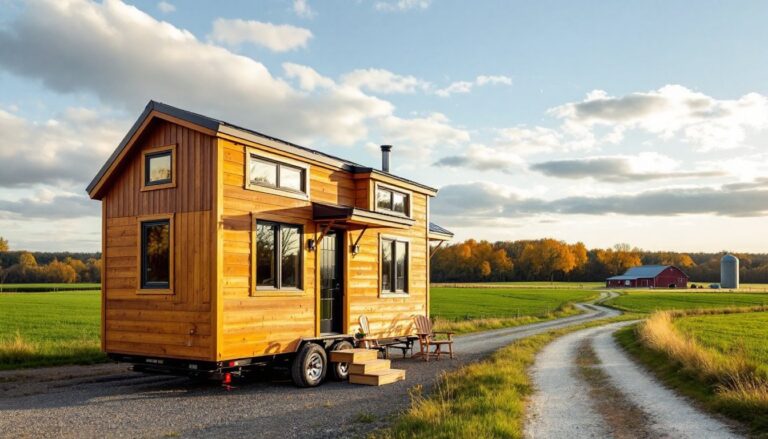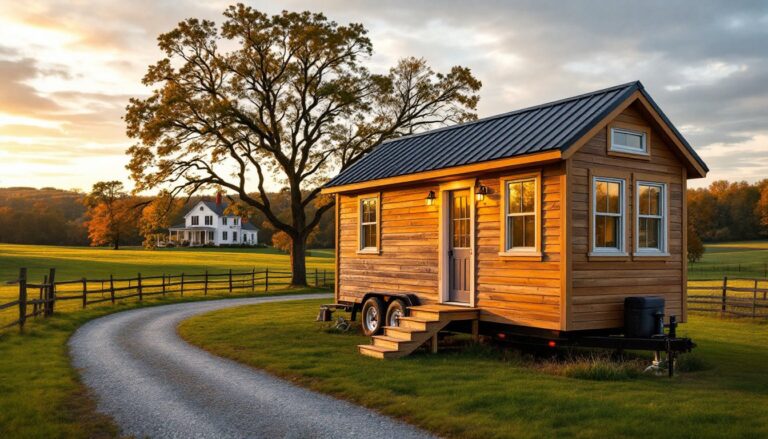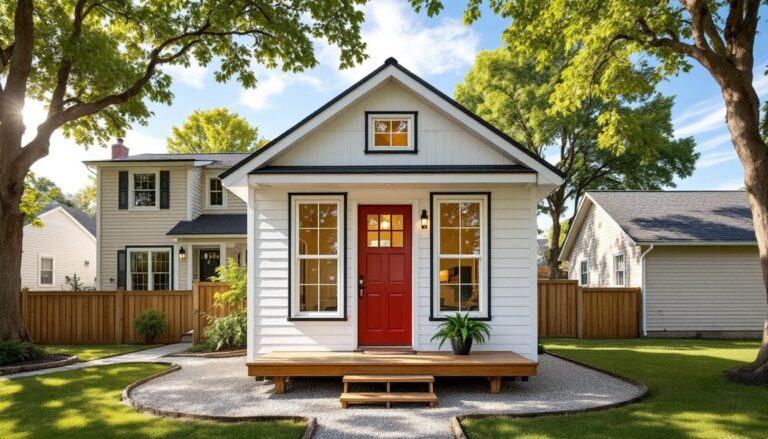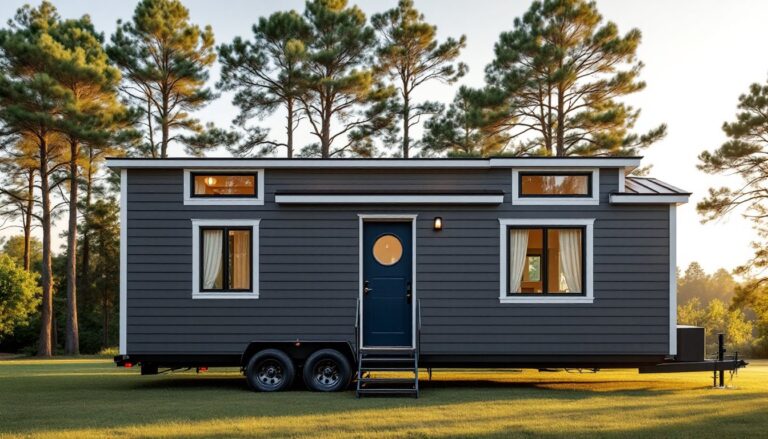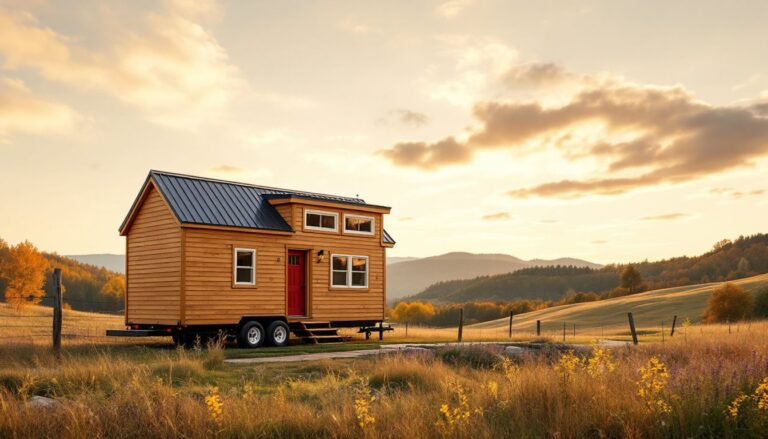
Backyard real estate is booming, and tiny shed homes are leading the charge. These compact, purpose-built structures offer homeowners a practical solution for everything from guest quarters to rental income, without the expense and complexity of traditional additions. They’re not garden sheds with windows tacked on, they’re thoughtfully designed living spaces that pack full functionality into 100–400 square feet. With construction costs averaging $20,000–$60,000 (depending on finishes and local labor rates), they’re one of the most accessible entry points into property expansion. Whether you’re eyeing an ADU, a home office, or a space to house aging parents, understanding the build process, legal requirements, and design fundamentals is essential.
Table of Contents
ToggleKey Takeaways
- Tiny shed homes cost $20,000–$60,000 to build, making them a significantly more affordable alternative to traditional home additions that average $150–$300 per square foot.
- These compact living spaces of 100–400 square feet offer versatile applications including guest quarters, rental units, home offices, aging-in-place housing, and teen retreats with flexible design options.
- A mini-split heat pump (9,000–12,000 BTU), proper insulation (R-13 to R-21 for walls, R-30 to R-38 for ceilings), and at least 10% glazing are essential features for functional tiny shed homes.
- DIY builds can cost $10,000–$20,000 if you handle labor, while prefab kits run $12,000–$25,000 and turnkey solutions range from $30,000–$75,000 depending on finishes and location.
- Zoning and permitting are critical—verify ADU regulations, lot size minimums, setbacks, and local rental restrictions before starting, as unpermitted structures risk fines and cannot be legally rented.
- Electrical and plumbing work must be handled by licensed professionals and pull separate permits, while middle-path solutions allow homeowners to handle carpentry while outsourcing specialized trades.
What Are Tiny Shed Homes?
A tiny shed home is a small, detached dwelling structure designed for residential use, typically ranging from 100 to 400 square feet. Unlike basic storage sheds, these units include insulation, electrical systems, plumbing (in many cases), and finish work suitable for year-round occupancy.
They’re often categorized as accessory dwelling units (ADUs) in zoning language, though some jurisdictions classify them separately based on foundation type or utility hookups. The term “shed home” emerged from the aesthetic and construction approach, many builders start with a shed-style gable or gambrel roof frame, then upgrade the envelope, windows, and interior to residential standards.
Most tiny shed homes use 2×4 or 2×6 framing on a pier-and-beam, skid, or slab foundation. Wall cavities get standard R-13 to R-21 insulation, and interiors are finished with drywall or shiplap. Electrical work typically follows NEC standards, with a dedicated subpanel fed from the main house. Plumbing, if included, requires frost-proof supply lines and either connection to the existing septic system or a composting toilet setup.
The smallest functional layouts include a sleeping loft, kitchenette, and a wet bath. Larger models (300–400 sq ft) can accommodate a separate bedroom, full kitchen, and bathroom with a standard shower. Ceiling heights vary: main floors often sit at 8 feet, while lofts may drop to 3.5–4 feet of clearance.
Why Choose a Tiny Shed Home for Your Property?
Cost Savings and Affordability
Tiny shed homes deliver significant cost advantages over both traditional home additions and new construction. A 200-square-foot shell kit starts around $8,000–$15,000, while a turnkey, professionally finished unit runs $25,000–$60,000 depending on finishes, appliances, and site prep.
Compare that to a conventional room addition, which averages $150–$300 per square foot and often requires tearing into existing walls, rerouting HVAC, and matching finishes. A shed home sits independently, eliminating most of those complications.
Foundation costs stay low, too. A pier-and-beam or skid foundation typically runs $1,500–$4,000 for a small footprint, versus $8,000+ for a full slab with footings. Utility hookups, electric, water, and potentially gas, add another $2,000–$5,000 if the main house is within 100 feet.
Property tax implications vary by jurisdiction. Some municipalities assess ADUs separately, while others fold them into the primary residence valuation. In many cases, adding 200–300 square feet of living space increases property value without triggering a major tax jump. If rental income is the goal, a rural tiny home can generate $600–$1,200/month in markets with housing shortages.
Versatile Uses and Functionality
The appeal of a tiny shed home lies in its flexibility. Common applications include:
- Guest quarters: A private space for visiting family without sacrificing household privacy
- Home office or studio: Separation from household distractions, often with better focus and productivity
- Rental unit: Long-term or short-term income via platforms like Airbnb (check local STR regulations)
- Aging-in-place housing: A ground-level, accessible space for elderly parents near caregivers
- Teen or young adult retreat: Independent living space while staying on the property
Many homeowners start with one use case and pivot later. An office can convert to guest quarters with the addition of a Murphy bed. A rental can become a full-time residence during a main house renovation.
Flexibility extends to design, too. Shed homes accommodate various styles, modern black board-and-batten, farmhouse white lap siding, or cedar shake cottage aesthetics. Interiors can lean minimalist Scandinavian or rustic cabin, depending on finishes and fixtures. This adaptability makes them a good fit whether you’re adding to a tiny home in Detroit or a wooded five-acre lot.
Essential Features and Design Elements
Effective tiny shed home design maximizes every square inch without sacrificing livability. Start with a floor plan that prioritizes the primary use. A rental unit needs a full bath and kitchenette: a home office can skip the kitchen and use a half-bath.
Insulation and climate control are non-negotiable. Walls should hit at least R-13 (for 2×4 framing) or R-21 (for 2×6 framing). Spray foam is popular in tight spaces, it air-seals and insulates in one pass, though fiberglass batts work fine if you’re diligent about vapor barriers. Ceiling insulation should reach R-30 to R-38 to prevent heat loss through the roof.
For heating and cooling, a mini-split heat pump is the go-to solution. A 9,000–12,000 BTU unit handles most tiny shed homes efficiently, and models from brands like Mitsubishi or Fujitsu offer both heating and cooling with minimal electrical draw (around 15 amps at peak load). Avoid relying solely on space heaters, they’re code-compliant in some cases but costly to run and less effective in freezing climates.
Windows and natural light transform cramped interiors. Plan for at least 10% of floor area in glazing, for a 200-square-foot shed, that’s roughly 20 square feet of window. Casement or awning windows provide ventilation and meet egress requirements if the loft serves as a sleeping area. Egress windows must have a minimum opening of 5.7 square feet, with no dimension less than 24 inches, and a sill height no more than 44 inches above the floor (per IRC).
Loft access requires careful planning. A ship’s ladder (a steep, space-saving stair) works if the loft is occasional use. For everyday sleeping, a standard stair with risers no taller than 7.75 inches and treads at least 10 inches deep improves safety and usability. Budget about 15–20 square feet of floor space for a compliant staircase.
Electrical systems in luxury tiny homes often include USB outlets, under-cabinet LED strips, and dimmer switches to enhance ambiance in tight quarters. Plan for a 100-amp subpanel if you’re adding a full kitchen with electric range and heat pump. A licensed electrician should pull permits and handle the service connection, this isn’t a DIY task.
Plumbing adds complexity. On-demand water heaters (tankless electric or propane models) save space and provide endless hot water in a compact footprint. A 2.5-gallon point-of-use electric heater works under a small sink: larger units (up to 8 gallons) can serve a shower. If municipal sewer isn’t accessible, a composting toilet eliminates the need for septic hookup, though they require user buy-in and occasional maintenance.
Building vs. Buying: What’s Right for You?
The build-versus-buy decision hinges on skill level, time, and budget tolerance.
DIY builds offer maximum cost control. A motivated homeowner with carpentry experience can frame, sheathe, and roof a basic shell in 2–4 weekends. Material costs for a 12×16-foot structure (192 sq ft) run roughly:
- Framing lumber (2×4 studs, plates, rafters): $800–$1,200
- Sheathing (OSB or plywood): $400–$600
- Roofing (asphalt shingles, underlayment, drip edge): $500–$800
- Windows and exterior door: $600–$1,500
- Siding (vinyl, T1-11, or board-and-batten): $700–$1,400
That’s $3,000–$5,500 for the shell, before insulation, drywall, electrical, or plumbing. Figure another $4,000–$8,000 in finish materials if you’re doing the labor yourself. Total DIY cost: $10,000–$20,000 for a livable, code-compliant structure.
That assumes you own or can borrow a miter saw, circular saw, framing nailer, and drill. If you’re renting tools, add $500–$1,000. Also factor in permit fees ($200–$1,000) and inspections.
Prefab kits split the difference. Companies like Tuff Shed, Studio Shed, and Jamaica Cottage Shop offer pre-cut packages with instructions. You get dimensional accuracy and faster assembly, but you’ll still handle foundation prep, utility hookups, and finish work. Kits for a 200-square-foot shed home range from $12,000–$25,000, delivered. Assembly typically takes a crew of two people about 3–5 days.
Turnkey builds are the hands-off option. A local contractor or ADU specialist handles permitting, site work, construction, and inspections. Expect to pay $100–$250 per square foot depending on finishes and local labor rates. That puts a 300-square-foot tiny shed home at $30,000–$75,000, completed.
Turnkey makes sense if you lack time or skills, or if local codes require licensed contractors for certain trades (common for electrical and plumbing). It also reduces timeline risk, a pro crew can go from permits to certificate of occupancy in 8–12 weeks, versus 6+ months for a part-time DIYer.
Before committing to a DIY build, honestly assess your skills. Framing and roofing are forgiving if you’re methodical and can read plans. Electrical and plumbing require precision and code knowledge, hiring those trades while doing the carpentry yourself is a smart middle path. Many homeowners reference beginner-friendly tutorials to develop the necessary skills before starting.
Zoning, Permits, and Legal Considerations
This is where tiny shed home projects stall or die. Zoning and permitting regulations vary widely by jurisdiction, and ignorance isn’t a defense.
Start by confirming whether your property allows accessory dwelling units (ADUs). Many municipalities restrict ADUs to specific zoning districts (typically R-1 or R-2 residential) and impose rules on:
- Lot size minimums: Often 5,000–7,500 square feet minimum to qualify for an ADU
- Setbacks: Distance from property lines, typically 5–10 feet for side/rear yards
- Height limits: Usually 15–18 feet for single-story ADUs to avoid blocking neighbors’ light
- Owner-occupancy requirements: Some cities mandate that the property owner live on-site (either main house or ADU)
- Parking: Additional off-street parking space may be required
Call your local planning or zoning department before spending a dollar on materials. Ask specifically about ADUs, building permits, and whether your intended use (rental, family housing, office) affects classification.
Building permits are almost always required for structures with electrical, plumbing, or habitable space. Permit fees range from $200–$1,500 depending on project valuation. The process typically involves submitting site plans, floor plans, and elevation drawings. Many jurisdictions now accept owner-builder applications, allowing homeowners to pull permits without a licensed contractor, but you’ll still need to pass inspections.
Expect inspections at multiple stages: foundation, framing, electrical rough-in, plumbing rough-in, insulation, and final. Each must pass before you proceed. Failed inspections mean re-work and re-inspection fees.
Utilities and hookups often require separate permits. Electrical service connections need a licensed electrician and a separate electrical permit. Plumbing connections to municipal water or sewer may require a plumber’s license and utility department approval. Septic systems require permits and soil testing, count on $3,000–$8,000 for a new system if your existing one can’t handle the added load.
Some homeowners skirt permits by building “sheds” under the square footage threshold (often 120–200 sq ft, depending on locale) and avoiding permanent utilities. This approach is risky. Unpermitted structures can trigger fines, forced removal, or complications when selling the property. Insurance companies may refuse to cover unpermitted buildings, and you won’t be able to legally rent them.
If your goal is Airbnb or long-term rental income, you’ll also need to navigate short-term rental (STR) regulations. Many cities require STR permits, impose occupancy taxes, and limit the number of rental days per year. Verify local rules before marketing your tiny shed home.
For those exploring options in specific markets, it’s worth noting how tiny homes for sale in Missouri or tiny homes in Raleigh navigate local zoning. Regulations differ dramatically even within the same state, so precedent in one city doesn’t guarantee approval in another.
HOA restrictions add another layer. If your property falls under a homeowners association, check the covenants, conditions, and restrictions (CC&Rs) before planning. Many HOAs prohibit outbuildings visible from the street or restrict architectural styles. Variance requests are possible but time-consuming.
Safety codes matter, too. Smoke detectors (hardwired with battery backup) are required in all sleeping areas. Carbon monoxide detectors are mandatory if you’re using propane or natural gas appliances. Egress windows in lofts or bedrooms must meet IRC standards (noted earlier). Handrails on stairs must be 34–38 inches high, and guardrails on lofts must be at least 36 inches above the floor.
Don’t skip this assignments. A well-executed, permitted tiny shed home adds value and function. A code-violating shortcut creates liability and limits future options. When in doubt, hire a local architect or designer familiar with ADU regulations, they’ll navigate the process and often produce permit-ready plans for $1,500–$3,000, a worthwhile investment to avoid costly mistakes.