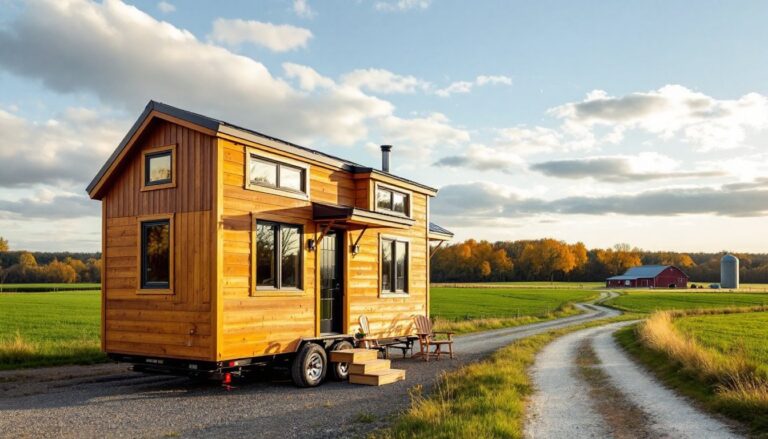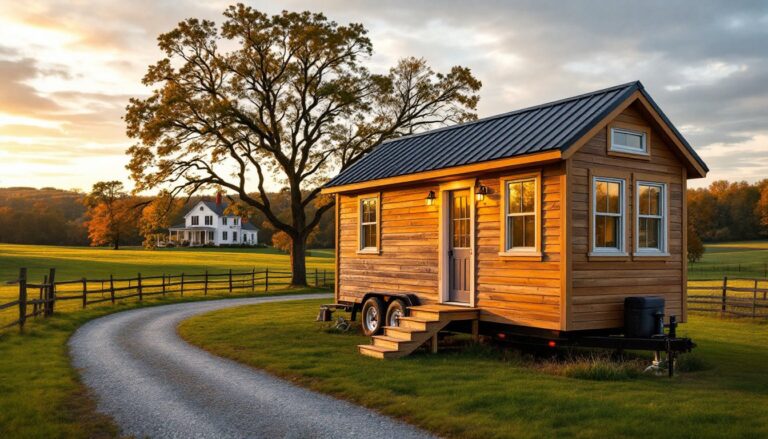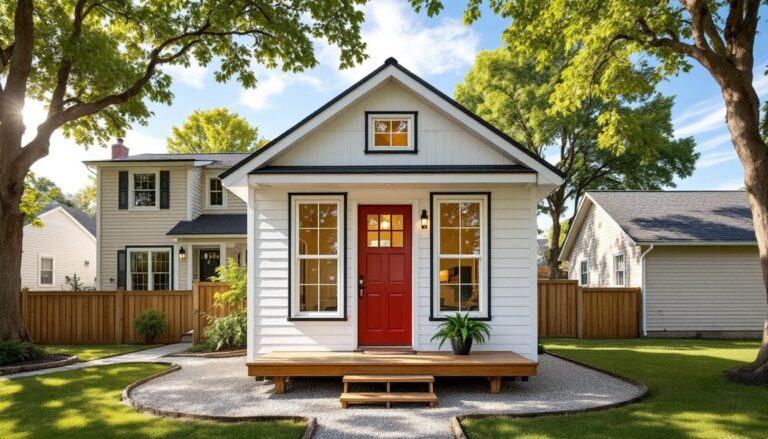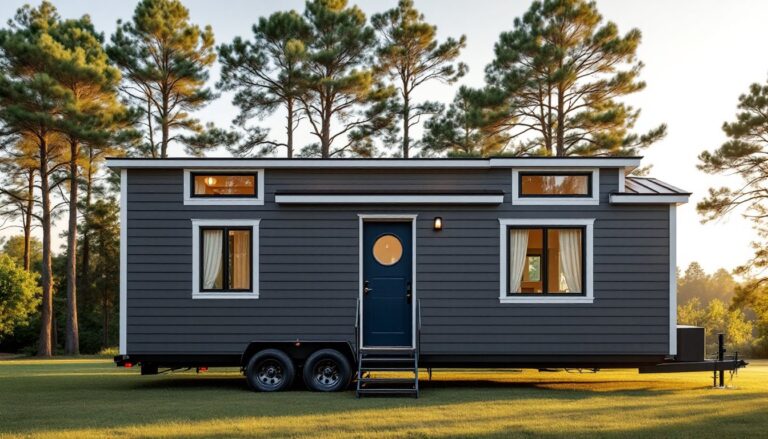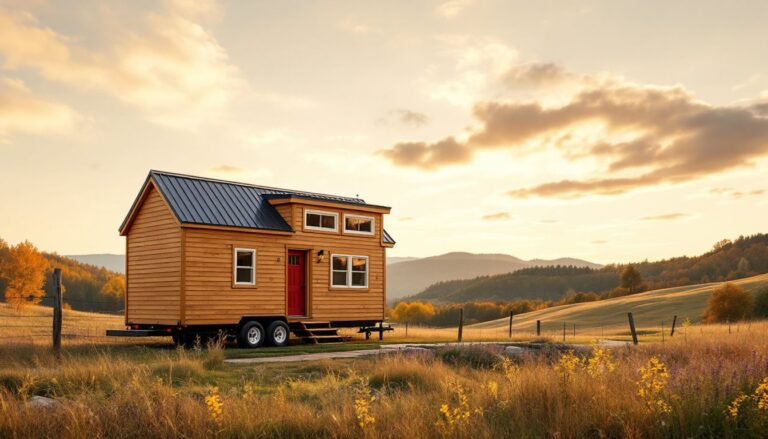
Nestled in southeastern Ohio, Hocking Hills offers rugged sandstone cliffs, cascading waterfalls, and forested trails, a landscape that’s become a magnet for tiny house enthusiasts seeking simplicity without sacrificing scenery. Whether someone’s eyeing a weekend getaway or planning a permanent downsize, the region’s mix of natural beauty and flexible zoning makes it a standout choice. This guide walks through everything from rental options and building codes to design strategies and off-grid setups, helping readers decide if a tiny house in Hocking Hills fits their lifestyle and budget.
Table of Contents
ToggleKey Takeaways
- Hocking Hills tiny houses benefit from affordable land ($3,000–$8,000 per acre), abundant natural scenery, and flexible zoning, making it an ideal location for both permanent residents and weekend getaway seekers.
- Test tiny living through vacation rentals ($120–$250 per night) before committing to a build, as they reveal practical preferences about loft layouts, kitchen space, and natural light that directly impact long-term comfort.
- Building a tiny house in Hocking Hills requires navigating county-specific regulations, including IRC codes for egress windows and ceiling heights, plus site preparation costs of $5,000–$15,000 before construction begins.
- DIY tiny house builds cost $30,000–$50,000 in materials (excluding land and tools), while turnkey structures range from $40,000–$90,000, with financing limited to personal loans, RV loans, or credit unions specializing in alternative housing.
- Off-grid systems combining solar arrays ($10,000–$15,000), propane tanks, well water, and composting toilets make tiny houses in Hocking Hills sustainable year-round, though shading and winter heating demand careful planning.
- Smart design strategies—vertical lofts, built-in furniture, oversized windows, and multi-function spaces—transform 250 square feet into livable, flexible homes without sacrificing daily functionality.
Why Hocking Hills Is the Perfect Location for Tiny House Living
Hocking Hills State Park covers over 2,300 acres of old-growth forest, waterfalls, and caves, terrain that draws two million visitors annually. But beyond tourism, the area’s become a quiet haven for tiny house dwellers who value privacy, affordability, and year-round outdoor access.
Land prices in Hocking County run $3,000 to $8,000 per acre, significantly below urban Ohio averages. That affordability extends to utilities: rural electric co-ops service most of the region, and well water is standard. Cell coverage is spotty in valleys, but most ridgelines pick up LTE.
The climate is humid continental, cold winters (January lows around 20°F) and warm summers (July highs near 85°F). That means tiny houses here need solid insulation (minimum R-19 walls, R-38 ceiling) and reliable heat sources. Propane, wood stoves, and mini-split heat pumps are common choices. Snow load is moderate but real: roofs should handle at least 25 psf to meet IRC guidelines.
Proximity to Athens (20 miles) and Logan (10 miles) gives access to groceries, hardware stores, and medical services without the traffic of Columbus. For builders planning rural tiny home projects elsewhere, Hocking Hills offers a useful case study in balancing seclusion with practicality.
Popular Tiny House Rentals and Getaways in Hocking Hills
Testing tiny living through a rental is smart, it reveals what works and what doesn’t before committing to construction or purchase. Hocking Hills has dozens of tiny house vacation properties, from rustic cabins to modern prefabs.
Many rentals sit on 5 to 20-acre lots with private hiking trails, fire pits, and screened porches. Interiors typically range from 200 to 400 square feet, featuring lofted bedrooms, composting toilets, and kitchenettes with propane ranges. Expect rates between $120 and $250 per night depending on season and amenities.
Popular platforms list properties with hot tubs, outdoor showers, and views of rock formations like Old Man’s Cave or Ash Cave. Some rentals are true tiny houses on wheels (THOWs), others are fixed micro-cabins built on permanent foundations.
Staying in a few different layouts helps clarify preferences: does a sleeping loft feel cozy or cramped? Is 68 square feet of kitchen space enough, or does meal prep get frustrating? Do cathedral ceilings improve the sense of space, or does a flat ceiling hold heat better? These aren’t hypothetical questions, they shape daily comfort and long-term satisfaction.
Building Your Own Tiny House in Hocking Hills: What You Need to Know
Building a tiny house in Hocking Hills requires navigating county regulations, site prep, and material logistics. Unlike urban lots with municipal hookups, rural properties often mean private wells, septic systems, and gravel driveways, budget accordingly.
Site prep costs vary widely. Clearing trees, grading a pad, and running a 200-amp service line from the road can add $5,000 to $15,000 before the first wall goes up. Soil tests for septic approval run around $400 to $600 through the Hocking County Health Department.
Foundation choices include concrete piers (cheapest, around $1,200 for a 24×10 footprint), frost-protected shallow foundations (better for freeze-thaw cycles, $2,500 to $4,000), or a full crawlspace (adds storage, around $6,000). Skid foundations work for portable structures but limit financing and insurance options.
Material delivery matters. The nearest lumberyard is in Logan: expect a $75 delivery fee for anything over 500 pounds. Ordering from big-box stores in Lancaster or Athens works too, but lead times stretch during spring and summer. Stock up on pressure-treated 4×4s, T1-11 siding, and metal roofing when sales hit, prices fluctuate with tariffs and fuel costs.
Zoning Laws and Regulations for Tiny Homes
Hocking County doesn’t have a unified tiny house ordinance, so rules depend on township jurisdiction and whether the structure is classified as an RV, mobile home, or permanent dwelling. That distinction affects everything from permits to property taxes.
Tiny houses on wheels often fall under RV codes, which some townships allow as temporary structures (180 days max per year) but prohibit as primary residences. Converting a THOW to a permanent home usually requires removing the axles and meeting IRC minimum habitable space standards (at least one room ≥70 square feet, plus 7-foot ceiling height in living areas).
Fixed tiny houses, those on foundations, typically need building permits and must comply with IRC residential codes. That means egress windows in sleeping lofts (minimum 5.7 square feet of opening, 24-inch height, 20-inch width), GFCI outlets in kitchens and baths, and smoke/CO detectors. Some townships also enforce minimum square footage rules (120 to 400 square feet), though these are loosening as tiny <a href="https://chfcdesignation.com/tiny-homes-detroit/”>homes gain acceptance.
Septic permits are handled by the county health department. A conventional septic system costs $3,500 to $7,000 depending on soil percolation rates. Composting toilets and graywater systems can reduce wastewater volume but don’t always satisfy code, verify with the health department before finalizing tiny house planning designs.
Electrical, plumbing, and HVAC work may require licensed contractors depending on the township. DIYers can often pull owner-builder permits for structural framing and finish work, but electrical inspections are mandatory. Budget $600 to $1,200 in permit and inspection fees for a code-compliant build.
Design Tips for Maximizing Space in a Hocking Hills Tiny Home
Every square foot counts in a tiny house, but good design makes 250 square feet feel livable rather than claustrophobic. Start with vertical space: lofted sleeping areas free up the main floor for kitchen, bath, and living zones. Use a ship’s ladder or alternating-tread stair (code-compliant if risers are ≤9.5 inches and treads ≥5 inches deep) to save floor space compared to a standard staircase.
Built-in furniture beats freestanding pieces. A fold-down dining table mounts to the wall and stows when not in use: bench seating with lift-up lids doubles as storage. In the kitchen, 12-inch-deep upper cabinets instead of 24-inch ones open up sight lines without sacrificing storage for dishes and dry goods.
Windows matter, not just for light, but for perceived space. Small space design often emphasizes oversized windows that blur interior/exterior boundaries. In Hocking Hills, south-facing glass captures passive solar heat in winter, while north-facing windows provide even light for workspaces. Use low-E coatings to reduce summer heat gain.
Material choices affect both weight (critical for THOWs) and durability. Tongue-and-groove pine or shiplap poplar for interior walls weighs less than drywall and adds texture. For exterior siding, metal panels or fiber-cement lap siding resist moisture better than wood in Ohio’s humid climate. Roof pitches between 4:12 and 6:12 shed snow and rain without looking squat.
Multi-function spaces are key. A wet bath (shower drains into the floor, no separate stall) saves 15 to 20 square feet. A countertop induction burner can move from kitchen to outdoor workspace. Wall-mounted fold-down desks convert from office to buffet to crafting table. The goal isn’t minimalism for its own sake, it’s flexibility that matches how someone actually lives.
Cost Breakdown: Buying vs. Building a Tiny House in the Area
A turnkey tiny house in Hocking Hills typically runs $50,000 to $90,000 for a professionally built unit on a trailer, or $40,000 to $70,000 for a fixed structure on a buyer-supplied foundation. That includes appliances, finishes, and delivery within 100 miles. Custom builds from regional builders push higher, $100,000 to $150,000 for upgraded materials, solar packages, or complex layouts.
DIY builds cut labor costs but demand time and skill. Material costs for a 24×10-foot shell (framing, sheathing, roofing, windows, doors) run $12,000 to $18,000 using mid-grade lumber and asphalt shingles. Add $8,000 to $12,000 for electrical (wire, panel, fixtures), plumbing (PEX, fittings, fixtures), and insulation (spray foam or mineral wool). Interior finishes, flooring, cabinetry, countertops, add another $6,000 to $10,000. Total DIY cost: $30,000 to $50,000, not counting tools or the learning curve.
Land acquisition varies. A 5-acre wooded lot near Old Man’s Cave might list for $35,000, while a 2-acre cleared parcel off SR-374 could go for $18,000. Factor in title search ($300 to $500), survey ($400 to $800), and closing costs (2 to 3% of purchase price).
Financing is trickier for tiny houses than conventional homes. Traditional mortgages rarely cover structures under 400 square feet or THOWs without permanent foundations. Options include personal loans (higher interest, shorter terms), RV loans (if classified as a recreational vehicle), or cash purchases. Some regional credit unions offer tiny house-specific loans, check with Ohio-based lenders familiar with alternative housing.
Insurance also differs. Homeowner’s policies may exclude THOWs: specialized RV or tiny house insurance costs $600 to $1,200 annually for $50,000 in coverage. Liability, wind, and fire are standard: flood insurance is separate if the property sits in a floodplain (check FEMA maps).
Living Off-Grid: Utilities and Sustainability in Hocking Hills Tiny Houses
Many tiny house owners in Hocking Hills go partially or fully off-grid, driven by lot limitations, cost savings, or environmental goals. The region’s wooded terrain and moderate solar potential make it feasible, but success requires realistic expectations and upfront investment.
Solar power is the most common off-grid energy source. A 3 kW solar array (about ten 300-watt panels) generates 3,500 to 4,500 kWh annually in southeastern Ohio, enough for LED lighting, a mini-fridge, induction cooktop, and laptop charging. Add four 200 Ah lithium batteries for storage (around $3,200), an inverter/charger ($1,500 to $2,500), and racking/wiring ($800 to $1,200). Total system cost: $10,000 to $15,000 installed. Tiny house solar setups elsewhere follow similar math, but shading from mature oaks or hemlocks can cut production by 30%, site the array carefully.
Propane handles high-draw loads like heat, hot water, and cooking. A 100-gallon tank (around $400 to rent, $1,000 to buy) lasts three to six months depending on usage. Propane costs fluctuate: budget $2.50 to $3.50 per gallon delivered.
Water options include drilled wells (typical depth 100 to 300 feet, cost $4,000 to $8,000), hauled water stored in 300-gallon food-grade tanks ($250 to $400), or rainwater catchment. A 1,000-square-foot roof yields about 600 gallons per inch of rain: annual rainfall in Hocking County averages 40 inches. Use first-flush diverters and UV filtration for potable use.
Composting toilets eliminate the need for septic systems. Units like the Nature’s Head or Sun-Mar cost $900 to $1,400 and require periodic emptying (every two to four weeks for two people). Graywater from sinks and showers can irrigate non-edible plants if local codes allow, check with the health department.
Heating choices matter in a region where winter temperatures dip below freezing for weeks. A small wood stove (like the Cubic Mini or Dwarf 3kW) heats 200 to 400 square feet and costs $600 to $1,200. Requires a Class A chimney ($400 to $700) and clearances per NFPA 211. Alternatively, a mini-split heat pump (Mitsubishi, Fujitsu) provides both heating and cooling, drawing 500 to 1,500 watts, manageable on solar with battery backup.
Internet access is a wild card. Starlink works well in clearings ($120/month), but trees block the satellite view. Fixed wireless from local ISPs covers some ridges: DSL is slow where available. Plan ahead if remote work depends on connectivity.