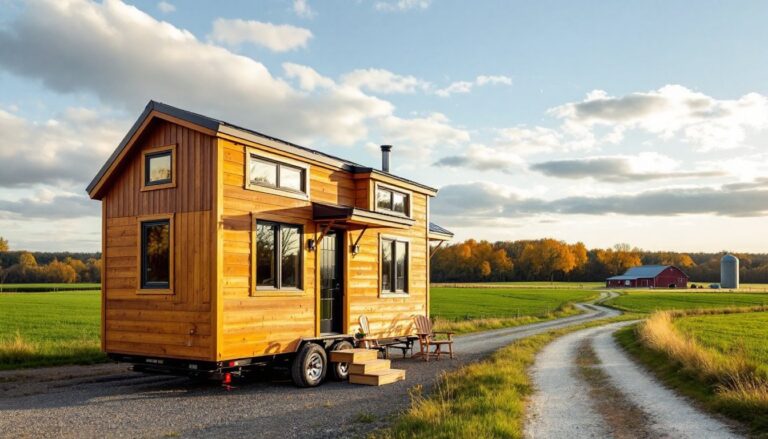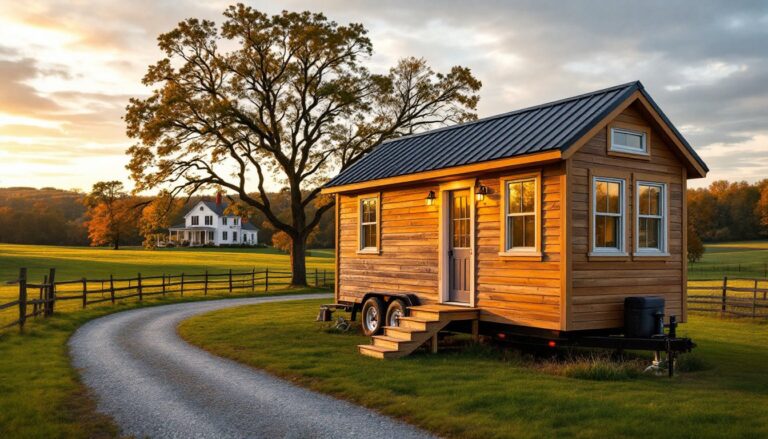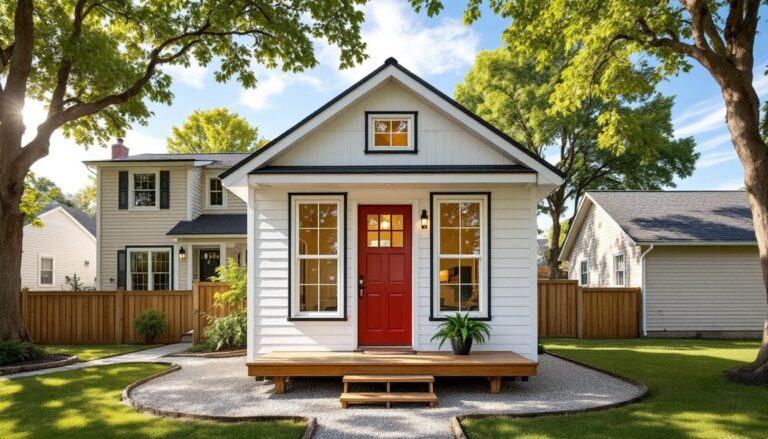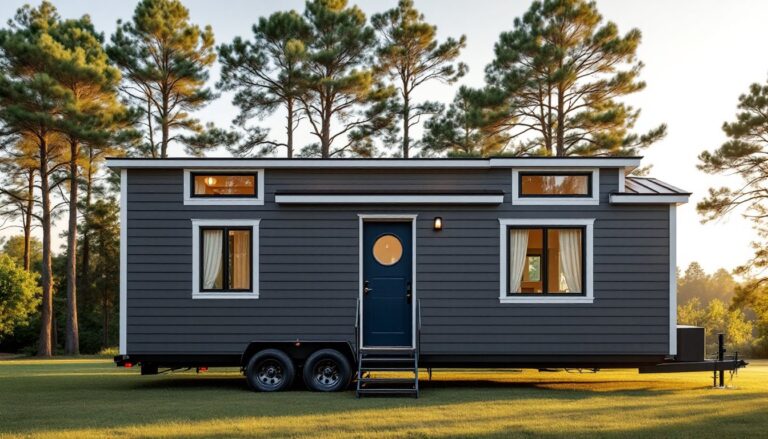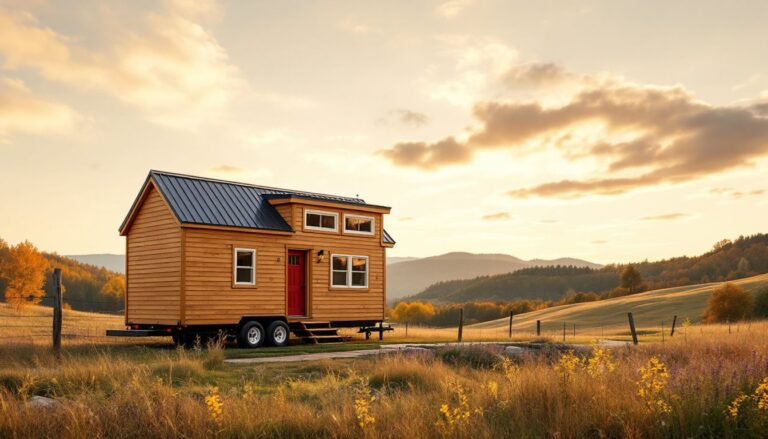
Arizona’s desert landscapes offer more than breathtaking sunsets and saguaros, they’re proving to be ideal terrain for the tiny home movement. With year-round sunshine, affordable land in certain counties, and a growing number of communities embracing alternative housing, the state has become a hotspot for downsizers, retirees, and remote workers looking to shed square footage without sacrificing quality of life. Whether someone’s dreaming of off-grid living in Yavapai County or a tiny house community near Tucson, Arizona’s blend of favorable climate, lower property taxes, and zoning flexibility makes it one of the most tiny-home-friendly states in the Southwest.
Table of Contents
ToggleKey Takeaways
- Arizona’s desert climate, affordable land in rural counties, and zoning flexibility make it one of the most tiny-home-friendly states, with property taxes around 0.6% and year-round sunshine reducing maintenance concerns.
- Tiny homes for sale in Arizona include mobile THOWs ($50,000–$90,000), foundation-based permanent structures, prefab/modular homes, and container conversions, each with different financing, insurance, and code requirements.
- Tucson and Yavapai County are top destinations for tiny homes due to lower costs of living, zoning amendments for ADUs, and appealing climates, while Phoenix and Flagstaff offer metro services but stricter zoning restrictions.
- Financing tiny homes requires planning—RV loans for THOWs carry higher rates than mortgages, while foundation-based homes under 400 sq ft may struggle with conventional lending; insurance and utility hookups add $3,000–$40,000 to initial costs.
- Zoning laws vary dramatically by county and city; unincorporated rural areas offer the most flexibility, but incorporated cities enforce minimum square footage and restrict THOWs to RV parks or accessory dwelling units.
- Before buying, confirm water rights and well access (which can cost $10,000–$25,000 to drill), verify HOA restrictions, and budget for permits and inspections to avoid costly surprises in Arizona’s regulatory landscape.
Why Arizona Is the Perfect State for Tiny Home Living
The desert climate is a game-changer. Arizona’s low humidity and minimal freeze risk mean fewer concerns about insulation failures, freeze-thaw cracking, or mold growth, issues that plague tiny homes in wetter climates. A well-ventilated tiny home with a mini-split heat pump can handle summer highs efficiently, and winter lows rarely demand heavy-duty heating systems outside of Flagstaff.
Land availability is another major draw. While metro Phoenix has tightened zoning, rural counties like Cochise, Navajo, and Mohave still offer affordable lots with fewer restrictions. Buyers can find parcels under $15,000 in some areas, though well, septic, and electric hookups will add to upfront costs. Off-grid setups are common and legal in many unincorporated areas, solar panels paired with propane or composting toilets are standard.
Property taxes remain relatively low compared to coastal states. Arizona’s median effective property tax rate hovers around 0.6%, meaning a tiny home on a modest lot won’t generate a crushing annual bill. Combine that with no state-level tiny home bans and a growing number of RV parks and tiny home communities welcoming permanent residents, and it’s clear why the state ranks high for alternative housing.
One caveat: water rights and availability matter. In some rural areas, hauling water is the only option until a well is drilled. Confirm water access before closing on land, and budget for a well permit and drilling costs if needed, commonly $10,000 to $25,000 depending on depth and geology.
Types of Tiny Homes Available in Arizona
Arizona’s market includes several distinct tiny home styles, each with trade-offs in mobility, cost, and legal classification.
Tiny homes on wheels (THOWs) are the most popular. Built on a trailer chassis, they’re typically 8.5 feet wide by 20 to 28 feet long, classified as RVs if they meet RVIA or NOAH certification standards. This classification simplifies parking in RV communities but complicates financing, most lenders won’t offer traditional mortgages for THOWs. Expect to pay $50,000 to $90,000 for a builder-finished THOW, more for luxury tiny homes with custom cabinetry and high-end appliances.
Foundation-based tiny homes are permanent structures, usually 400 to 800 square feet, built on a concrete slab or pier-and-beam foundation. These qualify for conventional mortgages and must meet IRC building codes, including egress windows, minimum ceiling heights (6’8″ in habitable rooms, 6’4″ in bathrooms), and proper electrical/plumbing inspections. They’re easier to insure and finance but require a buildable lot with utilities.
Prefab and modular tiny homes are factory-built, then transported in sections and assembled on-site. They offer faster build times and tighter construction than site-built homes, and they comply with HUD or IRC codes depending on the manufacturer. Pricing ranges from $40,000 for a basic shell to $120,000 turnkey.
Container homes have a niche following in Arizona’s desert. Shipping containers provide a steel frame that handles sun and wind well, but they require significant modification, cutting openings weakens structural integrity, and metal conducts heat aggressively. Insulation (spray foam is common) and a reflective roof coating are non-negotiable. Costs vary widely, but budget $30,000 to $70,000 for a livable single-container conversion.
Where to Find Tiny Homes for Sale in Arizona
Start with local builders and manufacturers. Arizona-based companies like Tiny Idahomes, Uncharted Tiny Homes, and Rocky Mountain Tiny Houses serve the state and often have model homes available for tours. Ordering directly from a builder allows for customization and sometimes avoids dealer markups.
Online marketplaces like Tiny House Listings, Tiny House Marketplace, and even Facebook Marketplace list both new and used tiny homes. Filter by location and price, but always inspect in person before committing. Used THOWs can be a bargain, but check for roof leaks, frame rust, and tire condition, trailers that have sat for years may need axle work or new bearings.
Many buyers explore options in other states, as seen in markets for tiny homes in Detroit or other regions. Design trends and local regulations vary by location, so researching similar markets can provide useful comparisons.
RV dealerships occasionally stock certified tiny homes on wheels, especially those meeting RVIA standards. Financing may be easier through these dealers, as they work with lenders familiar with RV loans. According to home design outlets, tiny homes have crossed into mainstream real estate visibility, making traditional listings more common.
Land-and-home packages are emerging in rural Arizona. Some developers sell a lot with a tiny home already installed, handling permitting and utilities. This simplifies the process but limits customization. Prices for these packages start around $80,000 in less-developed counties.
Don’t overlook tiny home communities that occasionally resell units when residents move. These homes are often already hooked up to shared utilities and have passed community inspections.
Top Cities and Communities for Tiny Homes in Arizona
Tucson has become a tiny home hub. The city amended its zoning code to allow accessory dwelling units (ADUs) as small as 200 square feet, and several tiny home communities have opened in the metro area. The lower cost of living compared to Phoenix and proximity to outdoor recreation make it attractive to retirees and remote workers.
Prescott and Prescott Valley in Yavapai County offer a cooler climate at higher elevation (5,000+ feet), making them appealing for those who want to avoid extreme summer heat. Zoning is more restrictive in the city limits, but unincorporated areas of the county allow tiny homes on agricultural or residential parcels with fewer hurdles. Water access and wildfire risk are considerations here.
Phoenix metro has mixed zoning. While the city of Phoenix restricts THOWs in most neighborhoods, surrounding communities like Apache Junction and Queen Creek have RV parks and tiny home-friendly developments. Land prices are higher, but access to services, jobs, and amenities makes it worthwhile for some buyers.
Flagstaff attracts tiny home enthusiasts who prioritize mountain living and four seasons. Zoning within city limits is strict, but Coconino County’s rural areas offer more flexibility. Insulation and heating requirements are higher here, budget for a wood stove or propane furnace and R-30+ insulation in walls and ceiling.
Several dedicated tiny home communities operate statewide. Escalante Village near Durango (just over the Arizona border but popular with Arizona buyers) and Tiny House Siesta in Sahuarita offer community amenities, shared spaces, and monthly lot fees ranging from $400 to $700. Some communities require homes to meet specific aesthetic or size standards.
Similar movements are happening in markets like tiny homes for sale in Missouri, where rural zoning and affordability trends mirror Arizona’s appeal.
What to Know Before Buying a Tiny Home in Arizona
Financing is the first hurdle. Traditional mortgage lenders rarely finance THOWs or homes under 400 square feet. RV loans (if the home is RVIA-certified) offer terms of 10 to 15 years at higher interest rates than mortgages. Personal loans or builder financing are other options, but expect rates of 6% to 12% depending on credit. Foundation-based tiny homes that meet IRC codes can qualify for conventional or FHA mortgages if the land is also financed or owned outright.
Insurance varies by home type. THOWs typically require RV or specialty tiny home insurance, which covers the structure and contents but may exclude liability if parked on someone else’s property. Foundation homes qualify for standard homeowners insurance. Providers like Strategic Insurance Agency and Tiny Home Insurance specialize in these policies. Get quotes before buying, coverage in wildfire-prone areas can be pricey or unavailable.
Utilities require planning. If connecting to municipal water and sewer, budget $3,000 to $10,000 for hookup fees depending on distance from the main lines. Off-grid setups using a well, septic or composting toilet, and solar power can cost $15,000 to $40,000 upfront but eliminate monthly utility bills. A typical off-grid system includes a 3kW to 5kW solar array, battery bank, and propane for cooking and backup heat.
When comparing Arizona to markets in places like tiny homes for sale in Louisville, KY, the permitting and climate considerations differ significantly, underscoring the importance of understanding local conditions.
Resale value is unpredictable. Tiny homes depreciate like RVs if they’re on wheels, but well-built foundation models in desirable areas can appreciate modestly. Customization helps livability but may hurt resale unless upgrades have broad appeal.
Zoning Laws and Regulations
Zoning is the most critical and complex factor. Arizona has no statewide tiny home regulations, rules vary by county and city, and even by parcel within unincorporated areas.
Incorporated cities like Phoenix, Tucson, and Flagstaff enforce minimum square footage requirements (often 600 to 1,000 square feet for a primary dwelling) and restrict THOWs to RV parks or as temporary structures. Some cities allow tiny homes as accessory dwelling units (ADUs) if they’re on a foundation and meet setback, height, and code requirements. Check with the local planning department before purchasing land or a home.
Unincorporated county land offers the most flexibility. Cochise, Yavapai, Mohave, and Navajo counties allow tiny homes on residential or agricultural parcels, often with minimal permitting if the home is under a certain square footage or classified as an RV. But, some counties require a septic permit even for composting toilets, and building permits are necessary for foundation homes.
RV and mobile home parks are the easiest option for THOWs. Parks that allow permanent residents often have infrastructure (water, electric, sewer) already in place and charge monthly lot rent ($300 to $800). Verify that the park permits full-time occupancy, some restrict stays to six months per year. Guidance from contractor resources can help navigate park regulations and site prep requirements.
HOAs and deed restrictions can ban tiny homes outright, even if county zoning permits them. Review covenants, conditions, and restrictions (CC&Rs) before closing on any lot in a subdivision.
Permits for foundation tiny homes typically require engineered plans, inspections at footing, framing, rough-in, and final stages, and compliance with the International Residential Code (IRC). Expect the permit process to take four to twelve weeks and cost $500 to $2,000 depending on jurisdiction. Homes on wheels generally don’t require building permits if parked legally, but some counties issue conditional use permits for long-term placement.
For those considering off-grid living, exploring comparisons with rural tiny homes can clarify what infrastructure and zoning trade-offs to expect.
Conclusion
Buying a tiny home in Arizona is more accessible than in many states, but it demands assignments. Confirm zoning before spending a dime, budget for the full cost of land, utilities, and permits, and get financing and insurance lined up early. Done right, a tiny home in the desert offers financial freedom, simpler living, and year-round sunshine.